Chronic Pain: Four Legs of a Stool

Every day in my naturopathic medical practice, I see people who have chronic pain from conditions arising from their back, nerves, muscles, joints, digestive system, autoimmune disease and more.  In fact one in five Canadians over 18 suffer with chronic pain. Optimal treatment plans are more complex than those for acute pain. For chronic pain, the best treatment involves “four legs of a stool”.  Each leg provides important support in the journey of living with chronic pain while working towards real solutions.

One leg of that stool may be pain management with pharmaceutical drugs.  Living with chronic pain can affect mood, sleep, the immune system, the nervous system and more and sometimes the humane choice is to help dull the pain. But medications for pain all come at some cost when used long term.  Extended use of anti-inflammatory drugs is hard on the gastrointestinal system, kidneys and ears.  Tylenol in excess can damage the liver. Opiate pain killers are of course a last resort due to their highly addictive nature. Meds for nerve pain have a long list of side effects and have limited benefits.  There is a place for pain management, but the goal is to use as little as possible for the shortest time possible. Cannabis may provide some relief for pain sufferers, and I look forward to the day when we have the research and quality control necessary for doctors to effectively guide patients in the best use of this medicine.

The second leg of the stool is what I call passive treatments.  There is a place for surgery, however there is always the risk of complications so often more conservative treatments are preferential.  Physiotherapy, massage, chiropractic, osteopathy, injection therapy such as prolotherapy, PRP, and stem cells can all be helpful.  The form of physical therapy that has impressed me most is low level laser therapy.  This painless, safe treatment uses therapeutic wavelengths of light to stimulate rapid growth and repair of tissues, resulting in resolution of pain.  Hundreds of  human, placebo controlled clinical trials have been done on laser therapy and it has been shown to be effective in the treatment of many conditions including arthritis (to which I can personally attest), back pain, carpal tunnel syndrome, plantar fasciitis, neck pain, nerve impingement and more. This is the treatment that I have used in my clinic for 12 years on over 1,000 patients with mostly good to excellent results.

The third leg of the stool is to work towards creating a body that is balanced and vital so that it can heal itself.  When a person is full of inflammation, high blood sugar, nutrient deprived, lacks exercise, and suffers from stress and poor sleep, their cells simply don’t have what it takes to heal.  As a naturopathic physician, I coach my patients to better understand what they can do for themselves to reduce inflammation, promote healing and improve vitality.

The fourth leg of the stool in treating chronic pain is addressing the mind-body connection.  The body naturally sends alarm bells to the brain and nervous system in response to pain.  That makes sense for acute pain, as it helps us to remove ourselves from dangerous situations or protect injured areas.  To live well with chronic pain, we have to deliberately learn how to be with the pain without sending out panic signals.  Teaching my patients skills to address the emotions and thoughts around the pain helps them to experience the painful sensations without all the distress and suffering.  I also encourage them to be curious about any unhealed emotional issues that may be causing tension or energy blocks in the body.  In Chinese medicine, they say that emotional issues can block chi, and wherever chi is blocked pain or disease can occur. In Western medicine we understand that the body’s natural healing mechanisms are activated when the nervous system is in a more relaxed state. With chronic stress we can get stuck in a state of “fight or flight” instead of being able to go into the more relaxed, healing state of a calm nervous system. 

People with chronic pain do well to consider engaging in a comprehensive plan to reduce the stress of chronic pain while working actively to promote healing and resolution of the causes of their pain.  ss

The Many Faces of Food Intolerances

We all know that eating healthy food is essential to maintaining our health. But sometimes, what is healthy food for one person, can be a cause of physical distress for another. Deciphering which foods are causing problems can be a frustrating task. But in my 24 years of practicing naturopathic medicine, I’ve found that helping my patients to identify and eliminate food intolerances can often be a powerful key to unlocking better health. 

 The trouble is that often, people’s food intolerances don’t fit the usual stereotype of a person who has an immediate and dramatic reaction to certain foods like peanuts or shellfish.  Those immediate hypersensitivity reactions are usually easy to identify and can be tested. But there are about 15 different ways that people can react to foods, and only a few of them can be tested through conventional lab tests. 

 The most common food reaction I see is delayed hypersensitivity reactions. I have helped countless people overcome eczema by identifying food reactions. Sinus or mucous-related conditions are often aggravated by food reactions, as are many digestive issues. Chronic fatigue and “brain fog” are red flags that food sensitivities may be at play. There are tests available through naturopathic physicians that can begin the process of elimination and reintroduction needed to pin down the culprits. 

 Celiac disease is actually an autoimmune disease in which gluten triggers a variety of symptoms that are digestive, neurological, psychiatric and autoimmune. A blood test or upper intestinal biopsy can diagnose this often overlooked condition. 

 In some people, the issue isn’t so much allergies as it is an inability to digest certain foods properly. For instance, people with a (fixable) microbiome imbalance in the small intestine can have excessive fermentation of certain starches which then creates gas, bloating, diarrhea, constipation and more. The foods most likely to ferment have been categorized under the acronym FODMAP foods, which include lactose-containing dairy products, onions and garlic, beans, cabbage family vegetables and more. 

For my patients with chronic hives, flushing, digestive issues, headaches, anxiety and more, we also look at the possibility of a histamine intolerance. There are certain foods that contain histamine, which is normally broken down by the body. Foods that are aged or fermented like deli meats, yogurt, beer, wine and others can be especially triggering. 


Oxalates are naturally high in spinach, strawberries, rhubarb and more.  For people with chronic bladder pain, Irritable Bowel Syndrome, and kidney stones oxalates can be a trigger. The intestinal microbiome is supposed to metabolize the oxalates in our foods, but an imbalance in the microbiome can prevent that process, causing a building up of oxalates in the blood and urine. 

Food additives can cause an incredible range of symptoms from temper tantrums, hives, swelling, migraines and more.  Key culprits to consider are MSG (there are many ways food manufacturers hide MSG on food labels), sulphites (used as a preservative in dried fruit, wine, vinegar, commercial baking) and nitrates (found in deli meats, bacon, ham, and food dyes. Artificial sweeteners like aspartame can create issues for some, as can the sweeteners called sugar alcohols like sorbitol and maltitol. I especially see the latter causing gas and diarrhea.  


 Acidic foods can trigger irritation of already sensitive tissues. For instance, excessive orange juice intake can trigger bladder issues, and acid reflux can be triggered by caffeine, alcohol, tomatoes and more.  

 Salicylates are naturally occurring chemicals in fruits, vegetables, spices and some medicines. But for some people, they can trigger asthma and allergies as well as digestive distress and headaches. 

 So if you have a dead-end diagnosis like Irritable Bowel Syndrome, chronic headaches, asthma or Chronic Fatigue syndrome or you just don’t feel your best, consider investigating the array of food intolerances as a possible way to unlock some of your health and vitality. 

Naturopathic physicians have extensive training in nutrition and regularly use custom nutrition plans as medicine.  We make sure that you know what you CAN eat as well as help you pin down specific foods to avoid.

6 Ways to Reduce Stress and Improve Health

Life is full of transitions and challenges.  Keeping our minds and bodies strong can help us navigate life with grace.  Here are the six strategies that my most resilient patients use in their lives.  See if there are some gems in here for you. 

Keep things in perspective
We can deal with a lot more than we think, but only “in the moment”. Some planning for the future is prudent, but too much forward-thinking these days can get you down. Trust that whatever comes down the pike in the future, you have the inner strength to deal with it, if and when it happens. Then let it go and focus on the preset.

If worries about the future are getting you down, try switching mental channels. Regularly take stock of what you have to be grateful for; appreciating the big and small things can make you feel better. After her husband suddenly died, Sheryl Sandberg, the Chief Operating Officer at Facebook, would ask herself each day, “what are three things I did well today”. Even little things can count. It’s about being kind to yourself (but not easy on yourself) – that’s my mantra!

Get active outdoors
Staying active, especially outdoors, boosts brain chemistry and helps your immune system.
Getting natural light these days is essential for our brain and mood. Getting the blood pumping is like an anti-depressant without side effects (as anyone who exercises regularly will enthusiastically tell you!)

Eat mindfully
I’m always working on my relationship with food to make it more about physical nourishment than fulfilling my cravings or stuffing emotions. The more I eat whole, unprocessed foods, the less I am drawn to processed foods. Menu planning gets me excited about what I can eat, and less focused on what I can’t eat. Taking a moment to breathe before I eat and feeling gratitude for the beautiful, colourful, natural food I’m eating elevates the process (and helps digestion.)

Take a few supplements
Even with the best lifestyle, natural medicines can help you be your best now and in the future. Some of my favourites are Vitamin D, fish oil, probiotics, resveratrol, and curcumin (turmeric extract). They all have abundant research showing benefits for health. For patients experiencing stress and burnout, I recommend a formula called Adrenal 2. If depression and anxiety are an issue, our ND’s can recommend scientifically proven natural approaches for treatment. For people concerned about their immune resilience, our herbal formula of Elderberry and Astragalus is generally safe for long-term use.

Reach out to others
Is there someone in your expanded circle who might need a call? Hearing a human voice these days can mean the world to someone else, and it always feels good to help others. While awkward at first, using video calls can create a sense of connection almost as good as the real thing. Or maybe let the people in your circle know that you could use some support? Have some time that could be used for volunteer work? Search online for COVID friendly opportunities.

Seek professional support
Seeing a naturopathic physician might be just what you need to focus on a plan for optimal physical and mental health. We take the time to listen, help you understand your health issues, and make a plan for better health in the safest, most natural way possible. We all need to up our game these days and having a trained professional on your team makes good sense. It’s a sign of strength to ask for help. Don’t just put up with so-so mental or physical health; with some focused strategies, you can feel better.

Want to see Dr. Macdonald or her
wonderful new associate ND Dr. Shawn Peters?

We look forward to seeing you!

Extended health insurance benefits ✔

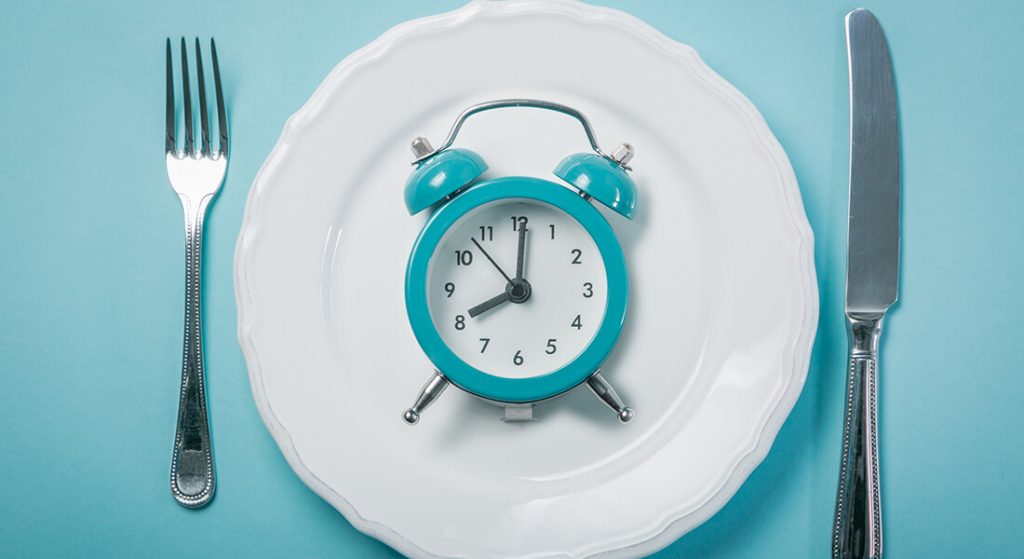
Eat for Life: Time Restricted Eating

What if there was one simple lifestyle change that could increase your lifespan? Researchers who study the science of longevity and disease prevention have found that there is indeed one simple lifestyle pattern that can decrease the risk of cancer, heart disease, obesity, diabetes and more: don’t eat at night. It turns out that our bodies are designed to process food better during the day, and when we eat at night, we rob our cells and organs of much-needed rest and repair. Studies show that while of course it matters what we eat, it also matters when we eat.

The human body evolved to eat during the daylight hours, when it’s safe to collect and prepare our food, and not to eat in the evening, when it’s dark and dangerous to be outside. Fifteen percent of the human genome works on a body clock, and about 50% of those genes are involved in the metabolism of food. We know the brain has a circadian rhythm, but so do the pancreas, intestines, liver and more.

Now with the advent of electricity and demanding work hours, we typically have our largest meal of the day in the evening and often snack after that. Our meal patterns are not in alignment with how we evolved to eat and can be detrimental to our metabolism and our cellular repair mechanisms. Does it really make sense to consume most of our calories within hours of going to sleep? It’s like showing up to a restaurant at closing time: the cooking staff will not be happy. Eating at night has been shown to raise blood sugar and insulin, increase inflammation, throw off hormones and decrease the important daily cellular clean-out called autophagy. Under these conditions the body can become fertile soil for disease.

As a naturopathic physician I regularly monitor these blood parameters and show people ways to lower their risk factors with lifestyle changes and natural medicines. One of those ways is to just change when you eat. Eating breakfast, lunch and dinner within the daytime hours, before 7 p.m., and allowing at least a 13-hour fast overnight is enough to show benefits. Some experts recommend extending that fasting window further by having a later breakfast and an earlier dinner if you can.

Time restricted eating has even been shown to reduce cancer rates. In one study, of 2,500 breast cancer survivors who tracked their food intake for seven years, a strong association was found to when they were eating. Women who had at least a 13-hour overnight fast had a 40% decrease in breast cancer recurrence and an over 15% decrease in all causes of mortality, regardless of whether they were overweight or not.

Other conditions that have been shown to improve from extended overnight fasting are gastric reflux, fatty liver, cardiovascular disease and diabetes. Weight loss with this mechanism alone is modest, but it can add up over time. In a famous study, two groups of mice were fed the same number of calories, but one group was fed only during the mice’s daytime and the other could graze all day and night. The mice in the Time Restricted Feeding group lost more weight than the other mice. In similar human trials, weight loss is more significant because without even trying, people will consume about 200 fewer calories per day when they stop nighttime snacking.

Time Restricted Eating is a simple lifestyle change that anyone can implement. Your body is designed to thrive in those conditions. Pregnant women and people with blood sugar issues, eating disorders or other health conditions would be wise to consult with their naturopathic physician or family doctor before making any dietary changes.

To book a naturopathic medical consultation with Dr. Deidre Macdonald

Buyer Beware of Chemicals in Your Home

There are an estimated 84,000 different chemicals in our environment and 700 new ones are released every year.  The majority of these have never been tested for safety.  Chemicals that are tested are done in isolation, yet in the real world are bodies are bombarded by hundreds of chemicals and it is the total toxic burden that overwhelms our body’s natural defences. These chemicals enter our bodies every day through food, water, air, health and beauty aids, furniture, clothing and more. Scientific evidence is pointing to chemical exposures as major contributors to cancer, reproductive problems, early puberty, autoimmune disease, Autism, Alzheimer’s disease, Parkinson’s disease and other neurological and metabolic disruptions.


Our bodies have not yet evolved the mechanisms to defend against the assault of modern chemicals. I had a patient who was a very tough military veteran.  He had survived the unimaginable and was quite psychologically resilient.  But the mosquito coils that he slept with for years in while posted in Germany emitted a potent neurotoxin intended to paralyze mosquitos.  Unfortunately the mosquito coils also poisoned his nervous system and was the likely cause of the rare neuro-muscular disorder he developed, and eventually succumbed to. As tough as he was as a person, his physical systems had never evolved the mechanisms to withstand these toxins.
Canadians spend 90% of their time inside, which means we spend most of our daily lives exposed to chemicals found in common household items and dust. We all have of toxins stored in our body and are passing them to our children. Babies are being born with chemicals in their system.  In a US study, there were an average of 287 chemicals detected in umbilical cord blood, 217 of which are toxic to the brain and nervous system.  At Simon Fraser University, research showed that those babies whose mother’s had the highest concentration of chemicals had a lower IQ at age five.


Some chemical exposure is beyond our control, but we can choose which chemicals are entering our homes through the products we buy. Environmental Defence, a Canadian organization that promotes environmental health, has created a list of the chemicals in consumer products that cause the worst damage to human health. These “Toxic Ten” include flame retardants, parabens, phthalates, petrolatum, silicone (the latter four are commonly found in over the counter skin and hair care products), and perfluorinated compounds (PFC, PFAS – found in water resistant products such as Scotchguard, Gore-tex, Teflon, raincoats, food wrappers, and microwave popcorn bags).


According to Health Canada, flame retardants are found in many consumer products including foam in mattresses, pillows and stuffed toys, in fabrics such as  clothing, tents, rugs, and upholstery, and other products like computers, plastics, paint, foam used in construction, glues and more. Health Canada states that the health effects of these chemicals may include effects on development, reproduction and increased risk of cancer. Research has shown that they are hormone disruptors, can alter thyroid function in pregnant women, and can cause neurodevelopmental problems in children (such as lowered IQ, Autism, and ADHD).


Parabens can easily be absorbed through the skin and are commonly found in lipstick and other make-up, skin care products and deodorant.  Parabens are strong estrogen mimickers, androgen (male hormone) disruptors, blockers of detoxifying agents in the body, and more. For instance, they are known to disrupt five out of the seven mechanisms cells use to protect themselves from breast cancer.
BPA’s are found in plastic food and water containers, tin / soda can lining, cash register receipts and more.  They are known hormone and immune system disruptors, and the newer BPA substitutes may be just as bad.  Consumers have demanded the reduction of BPA’s in food packaging and are buying metal water bottles instead of drinking from plastic water bottles.  Educated consumer using their buying power will be what moves our society from a toxic soup to a cleaner world.


These household toxins combine to create an unprecedented toxic burden to our bodies, and I haven’t even gotten started talking about pesticides in foods, chemicals in medicines, and the toxins we knowingly ingest in artificial sweeteners, cigarettes, alcohol and drugs. They all adds up.  But you can make a difference. Knowledge is power.


Naturopathic doctors help their patients to prevent and address disease by engaging them in strategies to remove stresses on the body, including the build-up of chemical toxins.  We can test you for toxic burden (“CORE” by Genova Diagnostics) and support you in a program to detoxify your home and your body. Next month we’ll talk about steps you can take to reduce your exposure to toxins in your home. Also check out the Toxic Ten Pocket Guide at environmentaldefence.ca.

Healing Concussion and Traumatic Brain Injury

The human brain is a remarkable feat of engineering.  But with the consistency of Jello, it is quite vulnerable to damage from injuries.  Every year about 200,000 Canadians suffer concussions.  Sports injuries and car accidents are two common causes of brain injuries, but for seniors, concussions are more likely to be caused by a fall.  The good news is that the brain can recover from minor concussions within a short time. But for multiple concussions or more traumatic brain injuries, the path to recovery can be long and winding.  Post-concussion syndrome can persist for years without the proper help.  Research is showing that there are many ways to enhance healing of the brain. No matter how long it’s been since the brain injury, it’s never too late to jump-start more repair of those delicate structures of the brain that run our mind and body.

Concussions are difficult to diagnose with imagine like an MRI or CT scan, and the symptoms of post-concussion syndrome can be easily attributed to other things.  I often ask my patients about concussions and sometimes find that they do indeed have symptoms of post-concussion syndrome such as:  fatigue, memory loss, cognitive issues, headache, depression, anxiety, irritability, sleep issues, sensitivity to light or sound, issues with sight or hearing, nausea, dizziness and more.

The best approach after a brain injury is to minimize the damage and promote brain healing as soon as possible.  To do that, we have to understand how the brain cells actually get damaged with brain injury.  Then we can use treatments that target those processes. Most medical professionals are not versed in strategies to address what’s really going on in concussion and brain injury, and so these processes are left to damage the brain especially in the critical first few days after concussion.  We need to institute neuroprotection strategies that promote healing, and it’s never too late to start.

Neural inflammation is a significant cause of loss of brain cells, and the connections between them, after head injury.  There are a number of natural products that help to regulate neural inflammation such as curcumin, the DHA portion of fish oil, and green tea. Aerobic exercise also has tremendous benefits to the brain.

We also want to decrease oxidative stress on the brain cells by ingesting higher amounts of anti-oxidant rich foods and medicines.  Berries are rich in antioxidants and Vitamins C and E can be helpful too.

The blood brain barrier (BBB) is intended to only allow certain things to enter the brain from the blood, but after brain injury, there can be a breach in this filtering system.  Toxins then can enter the brain and cause more damage.  Alpha lipoic acid is excellent for healing the BBB and is also an antioxidant.

Mitochondria are the furnaces of the cells, producing needed energy.  The brain cells are particularly dependent on mitochondria for energy. Brain injury can damage the mitochondria and especially lead to brain fog and fatigue.  To heal from brain injury, we need to ramp up the mitochondrial function by taking supplements such as coenzyme Q10, B vitamins as well as eating whole foods and exercising.

We want to stimulate that parts of the brain that can regenerate by enhancing neural stem cells. Humble nutrients like Vitamin D and melatonin can help accomplish these goals.

Promote the lymphatic drainage in the brain called glymphatics. Like a Zamboni clearing the effects of ice skating on an ice rink, the glymphatics of the brain clear away the normal waste products that build up in the brain daily.  This is even more important post brain injury. Sleep is the time when these mechanisms ramp up the most, so I help my concussion patients enhance their sleep.
The nerves of the brain are intimately linked to the chemistry of the digestive system.  Chemicals produced by the gut bugs, or intestinal microbiome, travel to the brain and influence mood, thinking and more.  Having a healthy digestive system will help brain function and naturopathic physicians are an excellent resource for tools to enhance gut health.

Other treatments for concussion are also getting much needed attention.

Brain training can help make new connections in the brain.

The ketogenic diet, while somewhat arduous, has been shown to help a number of brain diseases, including post-concussion syndrome.

Neurofeedback is a sort of visual gym for learning to retrain and re-pattern disrupted brain activity (and is available in Comox).

Functional Neurology practitioners can help target the part of the brain that is malfunctioning and provide specific stimulation to heal those parts.

Cold laser therapy to the skull has demonstrated benefits to many patients at a Toronto clinic and human clinical trials are underway.  This painless treatment has been shown in animal studies to enhance brain healing after traumatic brain injury.  I have treated over 1000 people for various health issues with laser therapy as it helps to gently but quickly regenerate damaged tissue throughout the body.

Reducing electromagnetic fields that may not affect people with healthy brains, but may be one more stress on an injured brain. Turning off wireless at night and removing cordless phones from the bedroom are a good way to start.

There is hope.  No matter how far out from a brain injury, there is always reason for hope.  With the right treatment, people can improve significantly even years after a brain injury if they are willing to invest in their brain health.

To learn more about how this type of multifaceted approach might be able to help you, contact naturopathic physician Dr. Deidre Macdonald, ND at 250 897-0235 or via getwellhere.com

To learn more about how this type of multifaceted approach might be able to help you, contact naturopathic physician Dr. Deidre Macdonald, ND at 250 897-0235 or via getwellhere.com

Healing Concussion and Traumatic Brain Injury

Every year about 200,000 Canadians suffer concussions.  Sports injuries and car accidents are two common causes of brain injuries, but for seniors, falls are a common cause.  The good news is that the brain can usually recover from minor concussions within a short time. But for multiple concussions or more traumatic brain injuries, the path to recovery can be long and winding.  Post-concussion syndrome can persist for years without the proper help.  Research is showing that there are many ways to enhance healing of the brain. No matter how long it’s been since a brain injury, it’s never too late to jump-start more repair of those delicate structures of the brain that run our mind and body.


The symptoms of post-concussion syndrome can include fatigue, memory loss, cognitive issues, headache, depression, anxiety, irritability, sleep issues, sensitivity to light or sound, issues with sight or hearing, nausea, dizziness and more.


The best approach after a brain injury is to minimize the damage and promote brain healing as soon as possible.  To do that, we have to understand how the brain cells actually get damaged with brain injury.   Then we can use treatments that target those processes. We need to institute neuroprotection strategies that promote healing, and it’s never too late to start.


There are about seven known mechanisms we can target to help heal a damaged brain.  Neural inflammation is a significant cause of loss of brain cells after head injury.  Oxidative stress on the brain cells damages delicate structures. The blood brain barrier (BBB) is intended to only allow certain things to enter the brain from the blood, but after brain injury, there can be a breach in this filtering system.  Toxins then can enter the brain and cause more damage.  Mitochondria are the furnaces of the nerve cells, producing needed energy.  After brain injury, the mitochondria can’t supply as much energy to the neurons. The brain’s natural healing may be compromised, so we want to stimulate the parts of the brain that can regenerate by enhancing neural stem cells. We need to promote the lymphatic drainage to clear away the normal waste products that build up in the brain daily.  The brain is intimately linked to the digestive system.  Having a healthy digestive system will help brain function.  Naturopathic physicians are trained in methods to address each of these seven mechanisms to enhance brain healing after concussion.


Other treatments for concussion are also getting much needed attention.  Brain training can help make new connections in the brain.  Neurofeedback is a sort of visual gym for learning to retrain and re-pattern disrupted brain activity (and is available in Comox). Functional Neurology practitioners can help target the part of the brain that is malfunctioning and provide specific stimulation to heal those parts.  Cold laser therapy to the skull has demonstrated benefits to many patients at a Toronto research clinic and human clinical trials are underway.  This painless treatment has been shown in animal studies to enhance brain healing after traumatic brain injury.


No matter how far out from a brain injury, there is always reason for hope.  With the right treatment, people can improve significantly even years after a brain injury if they are willing to invest in their brain health.

How to be an EMPOWERED Patient

Medical science now shows that when patients are empowered to play an active role in their health care, they are more invested in the process, which results in greater health. Medical education is redefining the doctor-patient relationship as one that respects the patient as an intelligent participant in health care decisions. The old doctor-patient relationship put the doctor in an authoritative role, as in “doctor knows best” and patients were in a passive role, as in “follow the doctor’s orders.” Now physicians are taught the principles of “shared informed decision making”; doctors and patients share information and collaborate in treatment decision. Patients are empowered with information and take ownership in creating their health. Here are four tips for becoming a more engaged and empowered patient.


Firstly, knowledge is power. You need to understand your body and any issues that you have. Ask your doctor to write down any words that are new to you, such as the name of a diagnosis, a test or treatment. Ask them to explain anything that you don’t fully understand, or work with a naturopathic physician to deepen your understanding of your health conditions. The internet can be a wonderful source of information, but, without the context a physician can provide, it can be overwhelming.


Secondly, keep a health journal. A health journal is a place where you can keep a record of your health issues, tests, procedures and medication. Keeping track of your health history helps you to be an informed, knowledgeable patient. Knowledge allows you to take more control of your healthcare. The best health journals have separate tabs for pharmaceutical and natural medicine history, hospitalizations, surgeries, blood work, imaging and other tests, specialist reports, allergies, and family medical history. I encourage my patients to get copies of all their lab work. Sixteen percent of abnormal lab results are not reported to the patient in Canada. In my 22 years of practice, I have found many missed diagnoses by going over lab work that the patient hadn’t seen. You can get copies of blood work easily by having your blood taken at Life Labs and setting up an online account to view your labs, or if you have blood taken at your doctor’s office or one of the hospital’s outpatient labs you can call 1 866 370-8355 and ask them to mail you your lab work. Your doctor can also print a copy of your lab work. I encourage my patients to ask their family doctor for copies of their specialist reports as well as imaging reports (x-rays, CT scans and MRIs).


Thirdly, an empowered patient needs to ask why. Any good problem solver needs to investigate the cause of the problem in order to create a lasting solution. Yet, in health care, we are often satisfied with treatments that mask symptoms but don’t address the underlying causative factors. You can take medications to lower blood pressure, but pills are not able to address the reasons why your blood pressure went up in the first place. When I prescribe pharmaceuticals, it is often because we need to control symptoms quickly, and buy the patient some time while we implement a plan to address the underlying causes and seek a long term solution that will optimize their health.


Fourthly, you can create a health care team to support your health goals. It may serve you to consult more than one health professional to create the optimal plan for your health. Your family doctor is an essential player in helping you access the conventional medical system when you need it. Family doctors are incredibly knowledgeable and hardworking, but they don’t have the time or training to provide for all the complex needs of their patients. Naturopathic physicians are medically trained physicians who focus on optimizing health with lifestyle, natural medicines, and pharmaceuticals when needed. Counsellors, physiotherapists, and other practitioners can all add their expertise to your health care team. An empowered patient lets their family doctor know who is on their team and encourages communication between practitioners.

Help for Anxiety – Naturally

Anxiety is certainly part of the human condition. We are, after all, animals with very few physical defences, so we need an alarm system to keep us safe.  The physical responses to fear make us ready to run from predators, fight back, or in some cases freeze and “play dead”.  When that normal fear response becomes a regular pattern of anxiety, it can be overwhelming.  In my practice, I regularly talk with patients who are experiencing a level of anxiety that is distressing to them.  Once people experience anxiety, they often become afraid of experiencing it again, and go to great lengths to avoid trigger situations. The good news is that there are very effective tools for breaking free of the cycle of anxiety without having to limit your life.


As a physician, my first inclination is to rule out physical causes of anxiety, such as certain medications or health conditions.  The most obvious physical trigger is caffeine intake.  People who are prone to anxiety are wise to avoid caffeine as its effect on the body magnifies nervous tension.  Another very common trigger, especially in young people, is low blood sugar or hypoglycemia.  Skipping meals or eating refined flour and sugars can cause a sudden drop in blood sugar.  When that happens, the brain tells the adrenal glands to release adrenaline, which causes rapid heart rate, sweating, and anxiety.  Thyroid conditions, both hyper and hypo, can contribute to anxiety.  Patients love that I am able to run up to six blood tests to rule out thyroid conditions as opposed to the one test that is generally covered by MSP.  Blood tests can also help to identify anemia, B vitamin or vitamin D deficiencies, all of which can affect brain chemistry profoundly. I often hear from patients that the hormone balancing work we do helps their mood and anxiety levels.


Relaxation techniques are an important part of learning to deal with anxiety.  Meditation is simply learning to observe your mind and make choices about where it is focusing.  Mindfullness Based Stress Reduction is a program that has been rigorously studied to show superior benefits to anxiety over medication. Adding an element of self- compassion into your daily self-talk practice takes the process deeper and is very effective.  Dr. Kirsten Neff’s Ted Talk is a good place to start to explore the practice of self-compassion.


Learning strategies for dealing with life stresses such as relationship issues, future uncertainties, past trauma, addiction and more can help to reduce anxiety.  Counselling and personal development work isn’t just for people with mental illness, it’s for anyone who wants to live life more fully and be the best they can be.  Cognitive Behavioural Therapy is a set of incredibly practical life skills for anyone wanting to be more clear and calm in their lives. The website anxietybc.com is one of the best on the subject.


As a naturopathic physician, I also offer my patients natural medicines that help to heal the nervous system, balance brain chemistry, and normalize the adrenal stress response. These herbs, vitamins and amino acids can be the leg up that people need to get a handle on stress.


Often a person with anxiety can feel overwhelmed by how their mind and body reacts to stress, and with help, they can develop confidence in their ability to be resilient in the face of life challenges.

Dr. Deidre Macdonald is a naturopathic physician who has practiced in downtown Courtenay for 20 years. www.getwellhere.com 250 897-0235.

Why am I so tired? Thyroid Issue May be the Cause

Every week people arrive at my clinic wondering if their thyroid is okay. They’ve often had their conventional doctor check their thyroid, and are told that everything is fine. However, they aren’t convinced. They feel tired, cold, achy, and gain weight easily. They have headaches, depression or constipation, all symptoms that may reflect low thyroid function. Experience has taught me that evaluating the thyroid is complex. Low thyroid function can be caused by the immune system itself and by the dysfunction of other hormone glands in the body. It can be also affected by stress, toxins, and nutritional deficiencies. Evaluation of the thyroid is so much more than just running one test. 

The thyroid gland is a small gland in the front of the neck that produces the hormone that sets the metabolic rate of every cell in the body. These hormones tell your body how fast to burn calories, influence stomach acid production, determines moisture levels in the skin and so much more. The thyroid gland is also the most common site of autoimmune disease in the body. The immune system can sometimes attacks the thyroid gland and interferes with its ability to provide the hormones needed for normal tissue function and repair. I had a patient who had gained 47 pounds in one year, despite good diet and regular exercise. Her doctor insisted that her thyroid was functioning properly, according to the one test, the TSH level, that he can run. We ran further tests which showed that she did indeed have antibodies to her own thyroid that were blocking her thyroid from making the hormones she needed to burn calories normally. Once that deficiency was corrected, she had to work hard to lose weight, but it was possible for her to do so.

Another patient came to the clinic already taking thyroid replacement medication but reported feeling as tired and achy as she had when she was first diagnosed as hypothyroid years ago. Again, her TSH test was normal. We dug a little deeper and ran a reverse T3 test. This test determines if her thyroid hormone was being converted to active T3 or a dud version called reverse T3. Elevations of reverse T3 are important if you are sick and need to conserve energy and rest. However, there are other conditions that can trigger this downstream activation of reverse T3. High stress levels, low iron levels, and chronic inflammatory states can all drive up reverse T3 and make you feel unnecessarily tired. In this case, the patient had experienced chronic stress and had an elevated reverse T3. We changed her thyroid medication slightly and gave her additional natural medicines to balance all her thyroid hormones, thus giving her back the vitality she was missing.

Naturopathic physicians prefer a full panel of thyroid hormones to accurately diagnose thyroid problems. This panel includes the relatively stable pituitary hormone TSH, free T4 (inactive thyroid hormone), free T3 (active thyroid hormone), reverse T3 and a thyroid antibody called TPO. Often we are able to unveil issues in the complex dance of the thyroid hormones, which can then be treated in a variety of ways, both holistic and pharmaceutical.

Dr. Deidre Macdonald is a naturopathic physician practicing in downtown Courtenay. 250 897-0235 or www.getwellhere.com