Shining a Light on Healing

Over the past twenty years in practice, I have had the privilege of watching many different therapies help people recover from injury and chronic pain. One therapy that has gained increasing attention over the past decade is Low Level Laser Therapy, sometimes called cold laser therapy.

Despite the sophisticated name, the principle behind it is surprisingly simple. Healing happens at a microscopic level. Inside each of our cells are structures called mitochondria. You can think of them as tiny power plants that generate ATP, the energy currency our cells need to function and repair themselves.

When tissue is injured or inflamed, these cellular power plants often slow down. With less available energy, healing can stall. This is one reason why aches and pains that begin with a small injury can linger for months or even years, long after the original event has faded from memory.

Low Level Laser Therapy works through a process known as photobiomodulation. Plants use sunlight to create energy through photosynthesis. In a similar way, human cells can absorb specific wavelengths of light and convert them into usable energy.

When a carefully calibrated therapeutic laser is applied to injured tissue, those light photons are absorbed by the mitochondria. In essence, the therapy helps support cellular energy production. With more ATP available, cells are better able to clear inflammatory byproducts and rebuild healthy tissue.

Pain often persists because the body becomes caught in a chronic inflammatory loop. The original injury may be long past, yet the surrounding tissues remain irritated and sensitive. Light therapy can act as a gentle biological nudge, helping restore normal communication between the nervous system and the immune system so that the healing process can move forward.

For example, someone with persistent shoulder pain who has tried rest and physiotherapy may find that progress has plateaued. In these situations, supporting the tissue at a cellular level can sometimes help shift the healing process.

This is particularly relevant as we move through our fifties, sixties and beyond. With age, circulation to smaller tissues declines and collagen production slows. These changes contribute to common conditions such as osteoarthritis, tendon injuries and degenerative disc problems. The body still knows how to repair itself, but sometimes it benefits from additional support.

By stimulating micro-circulation and supporting the activity of repair cells, light therapy can help create a healthier environment for connective tissues. In a broader wellness

plan, it becomes one of the non-invasive tools that may help maintain joint health and mobility over time.

In clinical practice, Class 3B lasers are among the most widely studied forms of therapeutic laser. They deliver light energy without producing heat, allowing the tissue to absorb the precise photonic dose needed to stimulate healing while maintaining an excellent safety profile.

Placebo-controlled clinical trials have shown that Low Level Laser Therapy can be helpful for several common conditions, including osteoarthritis of the knee or hand, chronic low back pain, tendon injuries such as rotator cuff or Achilles problems, neck pain related to posture or whiplash, and certain forms of nerve pain. As with any therapy, results can vary, and it tends to work best as part of a broader plan that may include movement, nutrition and other treatments.

For many people, it becomes one more way to help the body do what it was designed to do all along: repair itself. Sometimes healing simply needs a little more light.

Dr. Macdonald is a naturopathic physician practicing in downtown Courtenay since 1997. 250-897-0235 or www.getwellhere.com

 Blood Sugar Hacks

As a naturopathic doctor, I often see patients who don’t realize that their daily ups and downs in
energy, mood, and cravings are rooted in something deceptively simple, blood sugar instability.
You don’t need to have diabetes for your blood glucose levels to impact how you feel. In fact,
even subtle fluctuations, common in people who think they’re eating “normally,” can interfere
with hormonal balance, mental clarity, sleep quality, and long-term disease risk.

Your brain is particularly sensitive to changes in blood sugar. When levels rise too quickly, such
as after a muffin and latte breakfast, the body releases insulin to bring things back down. But
when they drop too low, as often happens after a spike, you might feel irritable, foggy, shaky, or
anxious. Many people reach for more caffeine or sugar at this point, and the cycle continues.
Over time, this pattern can contribute to insulin resistance, inflammation, and burnout. In fact,
managing blood sugar is one of the keys to maintaining a healthy mind and body as you age.
So how do we break this cycle without cutting out all carbohydrates or living on salad and
chicken? Here are several evidence-informed strategies I use with patients to help them regain
stable energy and focus, reduce cravings, and support long-term metabolic health, without rigid
food rules.

1. Eat your food in the right order
Research shows that eating vegetables first, then protein and fat, and saving starches and sweets
for last can significantly reduce the glucose rise after a meal. This simple shift in meal
sequencing helps moderate insulin release and keeps energy levels steadier.

2. Start the day with protein
A high-protein breakfast, such as eggs with greens and avocado or a smoothie with plant-based
protein powder and chia seeds, can anchor your blood sugar for the day and prevent the mid-
morning crash that often leads to poor food choices.

3. Move after meals
A short walk, even 10 to 15 minutes, after a meal helps your muscles use up glucose, lowering
the spike and easing the burden on your pancreas. It is also a great way to clear your mind and
reduce stress, which itself can raise blood sugar.

4. Use vinegar strategically
A tablespoon of apple cider vinegar diluted in water, taken before a carbohydrate-rich meal, can
blunt the post-meal blood sugar rise. This is not a magic fix, but for many of my patients, it is a
practical tool that makes a noticeable difference in how they feel after meals.

5. Don’t fear carbohydrates, pair them
Instead of cutting carbohydrates entirely, pair them with healthy fat, fiber, or protein. For
example, instead of eating an apple on its own, have it with almond butter. This slows digestion
and makes the glucose load easier for your body to manage.

In my practice, I offer blood sugar testing, as well as more advanced assessments of insulin
function that can detect subtle imbalances long before diabetes develops. Testing fasting insulin,
insulin after a meal, glucose curves, and related markers can reveal patterns of impaired glucose
tolerance that are often missed by standard blood tests. This allows us to intervene earlier, using
nutrition, lifestyle, and targeted natural medicine to restore metabolic balance before it becomes
a diagnosis.
Stabilizing blood sugar is not just about weight or diabetes prevention, it is about daily quality of
life: your energy, your mood, your ability to think clearly and sleep deeply. You do not have to
overhaul your entire diet, just get smarter about when, how, and with what you eat. Small,
targeted changes can yield powerful results.

Menopausal Weight Gain

In my practice as a naturopathic physician, I often see women in their 40s and 50s who are doing everything right—eating well, staying active—yet still struggling with unwanted weight gain and declining energy. What they’re experiencing isn’t a failure of willpower. It’s a reflection of the profound hormonal changes that accompany perimenopause and menopause, changes that affect metabolism, fat storage, sleep, mood, and appetite regulation.

Weight gain during this life stage is common, but it isn’t inevitable. The key is understanding the “why.” As estrogen, progesterone, and testosterone begin their often erratic fluctuations and eventual decline, the body undergoes significant shifts in its fundamental processes. These hormonal shifts make the body less efficient at managing blood sugar, preserving lean muscle mass, and regulating cortisol, our primary stress hormone. Specifically, declining estrogen levels can lead to increased insulin resistance, making it harder for cells to absorb glucose, contributing to higher blood sugar and increased fat storage, particularly around the abdomen.

Furthermore, the decrease in these hormones, especially testosterone and estrogen, directly impacts muscle protein synthesis and maintenance, leading to an accelerated loss of lean muscle mass – a process known as sarcopenia. This reduction in metabolically active tissue further slows metabolism. Concurrently, the fluctuating and declining levels of estrogen and progesterone can disrupt the delicate balance of the HPA (hypothalamic-pituitary-adrenal) axis, impairing the body’s ability to effectively manage stress and often leading to higher or more erratic cortisol levels. This hormonal interplay often leads to increased abdominal fat, a propensity for insulin resistance, and a frustrating sense of metabolic slowdown, even for those with disciplined lifestyles.

Unfortunately, conventional weight loss advice like eating less and exercising more can make things worse. Restrictive diets and excessive cardio elevate cortisol levels, which further disrupts metabolism and encourages the body to store fat. What’s needed is not more discipline, but a more intelligent and personalized approach.

That’s where naturopathic medicine shines. When I work with women navigating midlife weight changes, the process begins with comprehensive lab testing. We assess thyroid function, insulin sensitivity, cortisol patterns, and sometimes a detailed sex hormone panel to understand where the imbalances lie. These results guide every step of the treatment plan.

From there, we craft an individualized strategy that may include:

  • Bioidentical hormone replacement therapy (BHRT), tailored to each woman’s unique needs and stage of life to restore hormonal balance and support energy, sleep, and metabolism.
  • Targeted natural medicines to help balance hormones and to support insulin sensitivity, adrenal function, and liver detoxification.
  • Nutritional guidance that supports metabolism without deprivation, with an emphasis on protein intake, blood sugar balance, and anti-inflammatory foods.
  • Movement recommendations that respect the body’s changing physiology, focusing on strength, stability, and nervous system regulation.
  • Support for stress and sleep, both of which directly influence hormone balance and weight.

This is not a one-size-fits-all approach. It’s a partnership grounded in physiology, clinical data, and the lived experience of each woman. When we address the underlying hormonal and metabolic shifts of perimenopause and menopause, the results go far beyond weight loss. Women report better mood, clearer thinking, deeper sleep, and a renewed sense of vitality.

If you’re approaching or moving through midlife and feel frustrated by changes in your body, know that you can reclaim your health with strategies that are rooted in science and personalized to suit you.

Dr. Deidre Macdonald is a naturopathic physician who has practiced in Courtenay since 1997. (250) 897-0235 or www.getwellhere.com

Dr. Deidre Macdonald

Naturopathic Physician

250 897-0235

www.getwellhere.com

Cortisol Myths

As a naturopathic doctor, I often hear cortisol talked about like a comic book villain, always wreaking havoc and stealing our health. But cortisol is far more complex than that. It’s a vital hormone that helps us survive and adapt to challenges. The real issue lies not in cortisol itself, but in the common misconceptions that surround it. Here are five of the most persistent myths I hear in my practice.

The first myth: cortisol is simply bad. In truth, it’s essential for life, regulating blood sugar, pressure, inflammation, and energy. Problems arise when cortisol is chronically high or low, often due to long-term stress or health conditions. It’s often blamed for abdominal weight gain because cortisol receptors are dense in visceral fat, promoting midsection storage. This metabolically active fat can contribute to further imbalances. The issue isn’t cortisol, but what throws it out of balance, often a sign your body is constantly alarmed or struggling for equilibrium.

Another common myth: high cortisol always means you’re just too stressed. While emotional stress elevates cortisol, it’s not the only cause. Sleep deprivation, blood sugar instability, chronic infections, overtraining, and inflammation can all increase levels. I’ve seen patients doing everything right, eating well, exercising, meditating, still have elevated cortisol due to physical, not necessarily emotional, stress.

The third myth: low cortisol only occurs in serious diseases like Addison’s. While Addison’s is a rare autoimmune condition where adrenal glands stop producing cortisol, many experience functional low cortisol. This often develops after long periods of stress, when the body downregulates production to protect itself. People frequently wake up tired, feel flat in the afternoon, and get a second wind at night. Their quality of life suffers. Adaptogens like Rhodiola and Ginseng are helpful, regulating the stress response. Licorice root also supports cortisol by extending its availability. Naturopathic strategies also focus on optimizing sleep, gentle movement, and nutrient-dense dietary support to restore adrenal balance.


Another misconception: cortisol can be tested accurately at any time of day. In reality, cortisol follows a daily rhythm, highest in the morning and lowest at night. A single random blood test isn’t useful. Comprehensive testing, using saliva or urine samples taken at several points, reveals healthy, blunted, or reversed patterns, often aligning with how people feel and guiding treatment.


Lastly, there’s the belief that relaxing more is all you need to fix cortisol issues. While calming practices like meditation and deep breathing are valuable, they’re only part of the picture. Cortisol regulation also depends on sleep quality, stable blood sugar, digestive health, and inflammation control. Natural medicines can also jump start the healing process. A comprehensive approach works best for this complex hormone.

Cortisol is not the enemy. It’s a survival tool our bodies rely on, especially in times of change. By understanding how it truly works, we can better support our energy, focus, mood, and long-term health.

Dr. Deidre Macdonald is a naturopathic physician who has practiced in Courtenay since 1997. Contact at 250 897-0235 or via www.getwellhere.com

Brain Fog? The Gut-Brain Connection

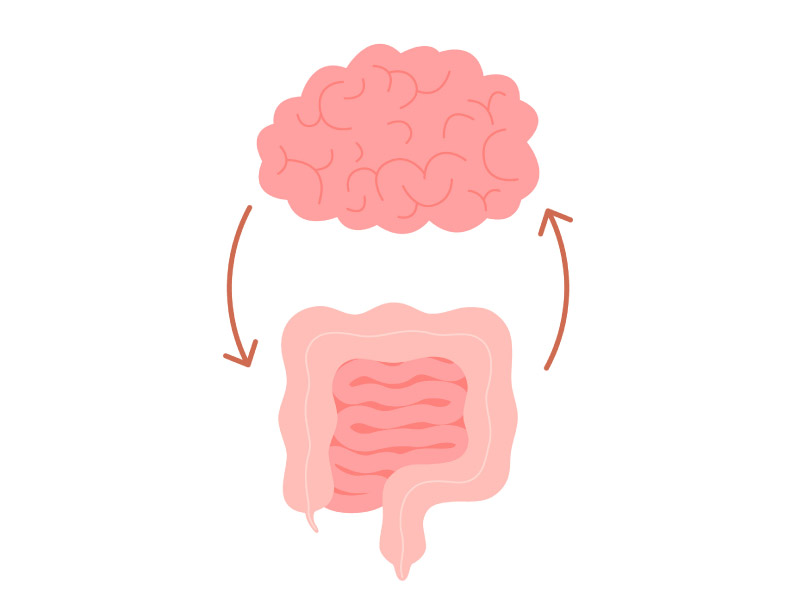
Many of my patients come to me with concerns that feel both familiar and frustrating: mood swings, brain fog, and memory lapses. While these symptoms are often chalked up to changes in the brain itself, research is increasingly pointing to a less obvious but powerful player: the gut. In this article, I’ll explore the fascinating connection between our digestive system and mental health, known as the gut-brain axis, and share the strategies I use as a naturopathic physician to support this system, especially for those navigating the physical and hormonal shifts that often begin after 50.

The gut-brain axis represents a sophisticated, two-way communication system involving neural, hormonal, and immune pathways. At the heart of this dialogue is the gut microbiome, the trillions of microorganisms that reside in our digestive tract. This internal ecosystem influences nutrient absorption, immune health, and even the production of neurotransmitters like serotonin, a chemical strongly tied to mood regulation. In fact, the majority of the body’s serotonin is produced in the gut, underscoring the biochemical link between digestive health and emotional well-being.

As we age, or when lifestyle and environmental stressors take a toll, this internal balance can be disrupted. Digestive issues like bloating, irregular bowel habits, and indigestion may be more than minor annoyances. They can signal deeper imbalances in the gut ecosystem, known as dysbiosis. Two conditions commonly linked to these symptoms are Small Intestinal Bacterial Overgrowth (SIBO) and Intestinal Candidiasis.

SIBO arises when excess bacteria grow in the small intestine, where bacterial counts are typically low. This overgrowth can interfere with digestion and nutrient absorption and may contribute to symptoms like bloating, fatigue, and cognitive fog. Similarly, intestinal candidiasis involves an overgrowth of Candida, a yeast that can flourish under certain conditions such as antibiotic use, high sugar intake, or chronic stress. Research suggests that byproducts from microbial overgrowth and inflammation may influence brain chemistry and mood.

From a naturopathic perspective, the goal is to restore balance to the digestive system in a sustainable, individualized way. Nutrition is central to this process. Dietary adjustments can help shift the internal environment, reducing the fuel for unhelpful microbes and supporting the growth of beneficial ones. This approach is not about rigid or permanent food restriction but about working with the body’s needs to create an environment where health can flourish.

Natural compounds and plant-based supports may also play a role in re-establishing harmony in the gut microbiome. Sometimes short term use of targeted pharmaceuticals is needed to restore balance in the small intestine. These medicines are chosen thoughtfully based on a person’s individual presentation, with the aim of improving digestive comfort and overall health.

Equally important is the role of the mind. Chronic stress can disrupt gut function and microbial balance, creating a feedback loop that affects both digestion and mood. Practices such as meditation, breathing techniques, or mindful movement can calm the nervous system and support a more resilient digestive system.

In essence, optimizing the gut-brain connection is about more than managing symptoms. It involves cultivating a healthy internal ecosystem that supports sharper memory, greater emotional stability, and a more vibrant experience of life as we age.

Ten Ways to Boost Your Immune System Naturally

Ever wonder why some people rarely catch a cold while others seem to get every bug in the air? While genetics may play a role, daily habits and lifestyle choices often make a bigger impact. Here are ten effective, natural ways to keep your immune system strong.

  1. Keep Your Vitamin D Levels Up

Vitamin D, known as the “sunshine vitamin,” is crucial for immune function, but in the Comox Valley, winter sun exposure is minimal. To meet the recommended 2000 IU a day, consider a supplement. Research shows that keeping your vitamin D levels up can help protect against colds and flu.

  1. Focus on Whole, Colourful Foods   

A diet rich in fruits and vegetables provides essential vitamins, minerals, and antioxidants that help the immune system function at its best. Leafy greens like kale, along with berries, carrots, and bell peppers, are loaded with nutrients to fend off illness. The variety of colours on your plate reflects a diversity of immune-boosting compounds.

  1. Make Movement Part of Your Routine   

Regular physical activity enhances immune health, yet the winter months make it tempting to skip workouts. Even short daily walks, indoor yoga, or a few bodyweight exercises can help keep the lymphatic system moving, which is essential for immune function. Try to find activities you enjoy so that exercise becomes a consistent part of your week.

  1. Prioritize Good Sleep   

Sleep is a powerful, natural immune booster. When we sleep, the body produces and releases proteins called cytokines that aid the immune response. Aim for 7–8 hours nightly and establish a calming bedtime routine. Relaxation apps, like Insight Timer, can guide you through breathing exercises or meditations that help you wind down.

  1. Manage Stress Proactively   

Chronic stress raises cortisol, which can inhibit the immune system. Taking small, daily steps to manage stress—whether through deep breathing, meditation, or gentle stretching—can help. Herbal adaptogens like ashwagandha may also support resilience to stress over time.

  1. Soak in Natural Light   

Sunlight exposure, even on cloudy days, can lift mood and strengthen immune health. Time outdoors, especially near water or in the snow, provides a natural light boost that supports well-being.

  1. Consider Herbal Support   

Certain herbs have shown benefits in bolstering the immune system. Echinacea may help reduce the duration of colds, and reishi mushrooms contain compounds that can enhance immune response. Oil of Oregano can also offer antiviral support when used at the first sign of symptoms.

  1. Wash Hands Often   

Frequent handwashing with soap and water is a simple yet highly effective way to reduce exposure to viruses and bacteria. It may also help to avoid handshakes and keep hands away from the face, especially in winter.

  1. Support Your Lungs by Quitting Smoking   

If you’re a smoker, know that smoking has a suppressive effect on immune function. Quitting can make a substantial difference, and options like our Laser Quit Smoking program have helped many people to ease the transition.

  1. Get Personalized Support   

If you frequently catch colds or have lingering health issues, a naturopathic consultation could uncover root causes. We offer an in-depth, personalized approach to improving immune health, including tailored nutrition and lifestyle guidance, natural medicines and sometimes pharmaceutical medicines.

These practices don’t require drastic changes but can lead to significant improvements in immune resilience. A well-rounded approach to immune health can help you stay well through winter and beyond, building a strong foundation for lifelong vitality.

Pain Relief with Laser Therapy – Scientific Update

Living with chronic pain is one of the most common challenges people face as they age. Whether from arthritis, old injuries, or degenerative conditions, persistent pain can limit mobility, sap energy, and affect every part of life. Many people find themselves cycling through medications, injections, or even considering surgery, all in search of relief. In recent years, a number of gentler therapies have gained attention, offering ways to support healing without relying solely on drugs or invasive procedures. One such approach is cold laser therapy, also known as low-level laser therapy (LLLT).

Cold laser therapy is a gentle, non-invasive treatment option that has been used successfully to manage chronic pain conditions including arthritis, soft tissue injuries, and joint disorders. As a naturopathic physician who has offered this therapy for the past 18 years, I have seen firsthand the significant benefits it can offer, particularly to individuals over 50 who are looking for safe, complementary options.

Cold laser therapy works by using low-intensity light to stimulate healing processes within the body. Unlike surgical lasers, cold lasers do not cut or burn tissue. Instead, they emit light at specific wavelengths that penetrate the skin and underlying tissues, promoting cellular repair, reducing inflammation, and enhancing circulation. There is no pain or even sensation with the type of laser I use, which lends itself to placebo controlled human trials.

There is a growing body of solid scientific research supporting the use of cold laser therapy for chronic pain management.

  1. A 2019 meta-analysis published in the British Medical Journal, which reviewed 22 randomized placebo-controlled trials, found that low-level laser therapy significantly reduced pain and disability in patients with knee osteoarthritis.
  2. Another high-quality study, a Cochrane Review on rheumatoid arthritis, concluded that LLLT provided a measurable reduction in pain and morning stiffness compared to placebo.
  3. Additional research published in Physical Therapy Reviews on chronic joint disorders also found that cold laser therapy reduced pain and improved overall health status.

In clinical practice, we use a Health Canada/FDA-cleared laser device to ensure treatments are both safe and effective. Every treatment plan is customized to the individual’s condition and response. While some patients experience noticeable relief after just a few treatments, others, especially those with more complex or chronic issues, may require a longer series of sessions to achieve sustained improvement.

Although the primary benefit of cold laser therapy is pain reduction through tissue healing, as a naturopathic physician I often use other therapies to accelerate the healing process. We might combine laser treatments with natural medicines for pain and inflammation, lifestyle modifications. physical therapy exercises, and other supportive approaches to help patients achieve the best possible outcomes. Working with a physical therapist, chiropractor, massage therapist etc. along with laser therapy can be a useful adjunct.

For people living with the daily challenges of arthritis, back pain, or other chronic conditions, cold laser therapy offers a research-backed, gentle option that can be part of a broader, thoughtful plan to improve comfort and quality of life.

Break Free from Nicotine

If you are wanting to improve your health, quitting smoking or vaping remains one of the most impactful changes you can make. Whether you’re a teen hooked on vaping or a senior who’s smoked cigarettes for decades, breaking free from nicotine can dramatically improve your quality of life. Yet, quitting isn’t easy, and many who try are derailed by intense cravings, mood swings, and the physical grip of addiction. That’s why finding the right support is key. As a naturopathic physician, my role is to help people to take charge of their health. So over that last 14 years, I’ve studied the art and science of quitting nicotine and developed a multi-faceted approach that works.

Let’s start with vaping, which has become a major concern for young people. While it’s often marketed as a safer alternative to smoking, vaping is far from harmless. E-cigarettes deliver high doses of nicotine, often more than traditional cigarettes, in a form that’s easy to overuse. This makes them highly addictive, especially for young brains that are still developing. Beyond nicotine, e-cigarettes contain chemicals that can irritate the lungs and have been linked to serious health issues, including the “vaping-related lung injuries” seen in recent years. Teens who vape are also more likely to transition to traditional cigarettes, perpetuating a dangerous cycle of nicotine addiction.

For adults who’ve smoked for decades, the stakes are just as high. Smoking remains the leading cause of preventable death worldwide, contributing to heart disease, cancer, respiratory illnesses, and countless other health problems. While the damage caused by years of smoking can’t be entirely undone, quitting now will immediately reduce your risk of further harm. You’ll breathe easier, feel more energetic, and enjoy the long-term benefits of a smoke-free life.

Why is it so hard to quit? Methods like quitting cold turkey often fail due to intense withdrawal symptoms and the psychological pull of nicotine. Nicotine gums and patches may ease withdrawal, but they keep your body dependent on nicotine and can be costly over time. They also don’t address the behavioral patterns and triggers that often lead to relapse.

Our program includes:

  1. Painless laser “acupuncture” to powerfully change the brain’s response to nicotine withdrawal for a more easy transition
  2. Natural medicines to reduce cravings, begin detoxing the body and calm the nerves
  3. Psychological strategies to address both the physical and mental sides of nicotine addiction.

This integrated approach aims to reduce cravings, ease withdrawal, and provide tools for long-term success. Laser therapy, a cornerstone of our program, uses gentle laser beams to stimulate specific points on the body. It works much like acupuncture to reduce cravings, calm the nervous system, and support withdrawal. When paired with natural medicines that aid detoxification and mood balance, the physical hurdles of quitting become far less daunting.

Equally important are the psychological strategies for staying smoke-free. Identifying triggers, managing stress, practicing mindfulness and building a solid support system are key components of long-term success. By addressing these aspects, we aim to give people the tools they need to quit for good.

Breaking free from nicotine is a journey, but it’s one worth taking. Whether you’re worried about your teen’s vaping habit or ready to quit cigarettes after years of smoking, there are ways to make the process smoother and more effective. With the right support, you can reclaim your health and enjoy the benefits of a smoke-free life.

Dr. Deidre Macdonald is a naturopathic physician practicing in downtown Courtenay. www.getwellhere.com/quit-smoke-now/ or 250 897-0235

Protein Power: Your Ally in Aging Gracefully and Staying Strong

When it comes to healthy aging, protein is like the unsung hero of nutrition—always there, quietly working behind the scenes to keep your muscles strong, your brain sharp, and your body resilient. But how much protein do you really need, and is it possible to have too much of a good thing? As a naturopathic physician with a focus on nutrition and healthy aging, these are questions I commonly get from my patients. So, let’s dive into the science and myths of protein and how it can help you stay fit and vibrant at any age.

First, let’s get the numbers straight. The science says that most adults benefit from consuming 1.2 to 1.6 grams of protein per kilogram of body weight daily. Calculate your protein requirements using your estimated lean body weight. For a person whose lean weight is 150 pounds or 68 kg, that’s an average of 26-36 grams of protein three times a day. Considering that one chicken breast has about 50g of protein, those numbers aren’t out of reach for most people. 

Dietary protein supports maintaining and building muscle, which plays a vital role in balance, strength, blood sugar regulation, metabolic health, and more. After 50, we typically lose 1% of our muscle mass per year; after 70, that number goes up to 4%. However,  exercise and protein intake can reverse that trend. And if you’re trying to build or maintain muscle, a post-workout protein shake isn’t just trendy—it’s genuinely effective. While there’s no need to obsess over a narrow “anabolic window” after exercise, having protein before or after a workout gives your muscles the building blocks they need. 

Not all proteins are created equal, though. Animal proteins like chicken, eggs, and dairy tend to pack the biggest punch when it comes to essential amino acids, especially leucine—the star amino acid that triggers muscle growth. But if you’re vegetarian or vegan, don’t fret. By consuming a variety of plant-based proteins, like beans, soy, quinoa, and lentils, and perhaps adding a plant-based protein powder, you can absolutely meet your needs. 

What about concerns that high-protein diets might harm your kidneys or speed up aging? For most healthy people, these fears are more myth than fact. Research shows that regular exercise changes how the body processes protein, directing its benefits to where they’re needed most—your muscles and brain. Staying active essentially turns protein into a tool for health, not harm.

Now, let’s tackle a common concern: IGF-1, a hormone that spikes with higher protein intake. Some studies suggest this could increase cancer risk, but here’s the nuance: exercise flips the script. Physical activity directs IGF-1 to muscle repair and brain health while limiting its availability to potential problem areas. Simply put, a balanced diet paired with regular movement lets protein do its job without unintended consequences.

Ultimately, the magic of protein lies not just in what you eat, but in how you live. Pairing a thoughtful protein intake with resistance training or even a daily brisk walk can help keep your body strong and your mind sharp. After all, isn’t that the goal of healthy aging—staying active, independent, and ready for life’s adventures?

So, whether you’re whipping up a protein-packed smoothie, enjoying a hearty lentil soup, or indulging in a grilled salmon dinner, remember every bite is an investment in your future. Protein isn’t just for athletes or bodybuilders; it’s for anyone who wants to age gracefully, stay fit, and feel amazing in their skin. Cheers to that.

ND’s Top 7 Favorite Pharmaceuticals

As a naturopathic doctor, my primary focus is helping people achieve better health through lifestyle changes and natural medicine. Diet, exercise, and holistic treatments form the foundation of my practice. However, there are times when I prescribe pharmaceutical medicines to support the healing process. The key is using them thoughtfully, as part of a broader, holistic plan. When combined with natural remedies, these medications can offer valuable support in promoting overall health and well-being.

Topical Diclofenac

Topical Diclofenac is an anti-inflammatory cream that can be applied directly to sore joints, tendons, or muscles. This option can reduce the need for systemic pain drugs like ibuprofen or acetaminophen, both of which can have side effects when used long-term. Diclofenac can be compounded to include medications for nerve pain, making it a versatile tool for managing discomfort while working on healing the underlying tissue.

Metformin

Metformin is a common blood sugar lowering medication that works by improving the body’s response to insulin. While diet and exercise are critical to managing blood sugar levels, Metformin can provide a significant boost for some patients. Beyond its role in diabetes management, emerging research suggests that Metformin may have broader health benefits, including potential roles in cancer prevention and cognitive health.

Vaginal Estrogen

For postmenopausal women, vaginal dryness is a common and often uncomfortable issue. While special moisturizers can offer some relief, topical or vaginal estrogen is the most effective way to treat this condition. Used in moderation vaginal estrogen is considered very safe.

Bioidentical Hormone Replacement Therapy (BHRT)

In the right context, Bioidentical Hormone Replacement Therapy (BHRT) can be a safe and effective option for women experiencing menopausal symptoms. The understanding of hormone replacement has evolved significantly over the years. Current research suggests that BHRT, in the right person, in the right form, not only alleviates symptoms like hot flashes but may also offer benefits for long-term cognitive and bone health.

Enteric Coated Digestive Enzymes (Cotazym 20)

Prescription digestive enzymes, like Cotazym 20, can be very helpful for some individuals struggling with bloating, irritable bowel syndrome (IBS), or other digestive issues. These enzymes augment the enzymes the pancreas produces which break down food. What makes Cotazym 20 particularly useful is its enteric coating, which protects the enzymes from being destroyed by stomach acid, allowing them to work more effectively in the intestines where they’re needed. This targeted support can make a significant difference in digestive health for people who need it.

Rifaximin

As a naturopathic doctor, I generally avoid antibiotics unless necessary because of their impact on the intestinal microbiome, a key factor in overall health. However, Rifaximin is an exception. This antibiotic is used to treat certain cases of Irritable Bowel Syndrome, particularly those involving diarrhea caused by Small Intestine Bacterial Overgrowth (SIBO). Uniquely, Rifaximin primarily works only in the small intestine, preserving the microbiome in the large intestine. Plus, 97% is eliminated through the colon, meaning it poses minimal risk to the liver and kidneys, and doesn’t cause yeast infections or other common antibiotic side effects. As part of a comprehensive program it can be a very helpful for people with IBS.

Low Dose Naltrexone

This medication is a very exciting addition to my toolkit when helping people with complex, chronic diseases like Long Covid, Chronic Fatigue Syndrome, autoimmune disease, cancer, neurodegenerative diseases and more. It gently tricks the body into activating its own immune balancing mechanisms, and helps reduce neuro-inflammation. Studies show demonstrable benefits for Inflammatory bowel disease, rheumatoid arthritis and more. It’s relatively safe and expensive. 


While pharmaceuticals like these are never my only treatment option, they can serve as valuable tools in a comprehensive health plan. When used wisely and alongside lifestyle changes and natural therapies, they can give patients the extra support they need to achieve their health goals. The beauty of a naturopathic approach is in finding the balance between all available options—natural and pharmaceutical—working together for the best possible outcome.


Dr. Deidre Macdonald is a naturopathic physician practicing in downtown Courtenay since 1997. www.getwellhere.com 250 897-0235a