Cortisol Myths

As a naturopathic doctor, I often hear cortisol talked about like a comic book villain, always wreaking havoc and stealing our health. But cortisol is far more complex than that. It’s a vital hormone that helps us survive and adapt to challenges. The real issue lies not in cortisol itself, but in the common misconceptions that surround it. Here are five of the most persistent myths I hear in my practice.

The first myth: cortisol is simply bad. In truth, it’s essential for life, regulating blood sugar, pressure, inflammation, and energy. Problems arise when cortisol is chronically high or low, often due to long-term stress or health conditions. It’s often blamed for abdominal weight gain because cortisol receptors are dense in visceral fat, promoting midsection storage. This metabolically active fat can contribute to further imbalances. The issue isn’t cortisol, but what throws it out of balance, often a sign your body is constantly alarmed or struggling for equilibrium.

Another common myth: high cortisol always means you’re just too stressed. While emotional stress elevates cortisol, it’s not the only cause. Sleep deprivation, blood sugar instability, chronic infections, overtraining, and inflammation can all increase levels. I’ve seen patients doing everything right, eating well, exercising, meditating, still have elevated cortisol due to physical, not necessarily emotional, stress.

The third myth: low cortisol only occurs in serious diseases like Addison’s. While Addison’s is a rare autoimmune condition where adrenal glands stop producing cortisol, many experience functional low cortisol. This often develops after long periods of stress, when the body downregulates production to protect itself. People frequently wake up tired, feel flat in the afternoon, and get a second wind at night. Their quality of life suffers. Adaptogens like Rhodiola and Ginseng are helpful, regulating the stress response. Licorice root also supports cortisol by extending its availability. Naturopathic strategies also focus on optimizing sleep, gentle movement, and nutrient-dense dietary support to restore adrenal balance.


Another misconception: cortisol can be tested accurately at any time of day. In reality, cortisol follows a daily rhythm, highest in the morning and lowest at night. A single random blood test isn’t useful. Comprehensive testing, using saliva or urine samples taken at several points, reveals healthy, blunted, or reversed patterns, often aligning with how people feel and guiding treatment.


Lastly, there’s the belief that relaxing more is all you need to fix cortisol issues. While calming practices like meditation and deep breathing are valuable, they’re only part of the picture. Cortisol regulation also depends on sleep quality, stable blood sugar, digestive health, and inflammation control. Natural medicines can also jump start the healing process. A comprehensive approach works best for this complex hormone.

Cortisol is not the enemy. It’s a survival tool our bodies rely on, especially in times of change. By understanding how it truly works, we can better support our energy, focus, mood, and long-term health.

Dr. Deidre Macdonald is a naturopathic physician who has practiced in Courtenay since 1997. Contact at 250 897-0235 or via www.getwellhere.com

Brain Fog? The Gut-Brain Connection

Many of my patients come to me with concerns that feel both familiar and frustrating: mood swings, brain fog, and memory lapses. While these symptoms are often chalked up to changes in the brain itself, research is increasingly pointing to a less obvious but powerful player: the gut. In this article, I’ll explore the fascinating connection between our digestive system and mental health, known as the gut-brain axis, and share the strategies I use as a naturopathic physician to support this system, especially for those navigating the physical and hormonal shifts that often begin after 50.

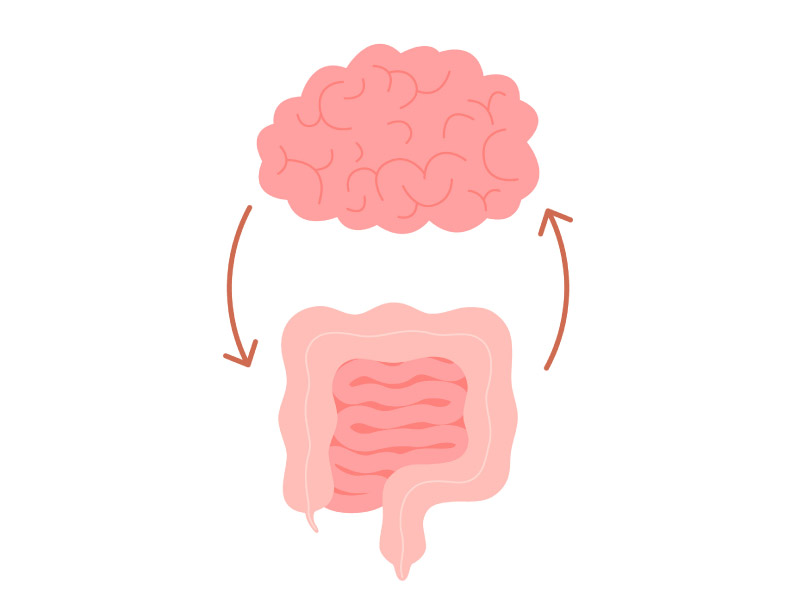
The gut-brain axis represents a sophisticated, two-way communication system involving neural, hormonal, and immune pathways. At the heart of this dialogue is the gut microbiome, the trillions of microorganisms that reside in our digestive tract. This internal ecosystem influences nutrient absorption, immune health, and even the production of neurotransmitters like serotonin, a chemical strongly tied to mood regulation. In fact, the majority of the body’s serotonin is produced in the gut, underscoring the biochemical link between digestive health and emotional well-being.

As we age, or when lifestyle and environmental stressors take a toll, this internal balance can be disrupted. Digestive issues like bloating, irregular bowel habits, and indigestion may be more than minor annoyances. They can signal deeper imbalances in the gut ecosystem, known as dysbiosis. Two conditions commonly linked to these symptoms are Small Intestinal Bacterial Overgrowth (SIBO) and Intestinal Candidiasis.

SIBO arises when excess bacteria grow in the small intestine, where bacterial counts are typically low. This overgrowth can interfere with digestion and nutrient absorption and may contribute to symptoms like bloating, fatigue, and cognitive fog. Similarly, intestinal candidiasis involves an overgrowth of Candida, a yeast that can flourish under certain conditions such as antibiotic use, high sugar intake, or chronic stress. Research suggests that byproducts from microbial overgrowth and inflammation may influence brain chemistry and mood.

From a naturopathic perspective, the goal is to restore balance to the digestive system in a sustainable, individualized way. Nutrition is central to this process. Dietary adjustments can help shift the internal environment, reducing the fuel for unhelpful microbes and supporting the growth of beneficial ones. This approach is not about rigid or permanent food restriction but about working with the body’s needs to create an environment where health can flourish.

Natural compounds and plant-based supports may also play a role in re-establishing harmony in the gut microbiome. Sometimes short term use of targeted pharmaceuticals is needed to restore balance in the small intestine. These medicines are chosen thoughtfully based on a person’s individual presentation, with the aim of improving digestive comfort and overall health.

Equally important is the role of the mind. Chronic stress can disrupt gut function and microbial balance, creating a feedback loop that affects both digestion and mood. Practices such as meditation, breathing techniques, or mindful movement can calm the nervous system and support a more resilient digestive system.

In essence, optimizing the gut-brain connection is about more than managing symptoms. It involves cultivating a healthy internal ecosystem that supports sharper memory, greater emotional stability, and a more vibrant experience of life as we age.

5 Key Supplements for High Stress

5 Key Natural Medicines to Help our Bodies Handle Stress

Temporary moments of stress are a normal part of life.  In fact, our bodies are well equipped as humans to respond appropriately to stressors around us.  It is when stressors are excessive or prolonged over time that we can start to feel the adverse impacts of stress. 

The impacts of stress can affect both of bodies and minds.  Those with mental health concerns may feel more on edge.  Burnout and our ability the perform cognitively can worsen.  Our sleep and energy can become impaired.  Weight gain can increase and inflammatory markers can rise.

Stress affects us all, young and old, whether we are students, families, or elders.  Life as a student can be a very exciting time, though not without challenges.  This is true for any student and especially those in demanding programs or during challenging exam periods. Isolation, loneliness, and anxiety are felt by many of us these days.  This may be particularly true for some of the more vulnerable folks around us, certainly as the pandemic continues to linger.  Many elders may feel particularly isolated, which can be a stressor.  Families may be feeling stress with balancing the demands of work, partners, and children, especially through changing times.

For many of us, here are some of the key considerations to help handle stress:

(As always, before using any herb or nutrient consult with a healthcare professional first).

  • Omega 3 Essential Fatty Acids: Essential fatty acids (EFAs) are those healthy fats that the body itself cannot produce so we get them from foods or supplements. What makes EFAs so important is their role in both brain and nervous system health. EFAs can be found in fish, chia seed, flaxseed, nuts and seeds, and algae, as well as supplements.
  • B-Complex (particularly B5): B-vitamins play a critical role in many bodily processes, including many energy pathways. B-vitamins also play a role in supporting our ability to deal with stress, particularly vitamin B5 which is thought of as the ‘anti-stress’ vitamin.
  • Vitamin C: This important vitamin is known for its role as an antioxidant. Many free radicals can be produced during times of stress and vitamin C can help to stop free radicals. Vitamin C is used by our bodies to a greater extent under stressful conditions.
  • Ashwaganda: This stress supportive herb is considered a calming adaptogen (calms us while helping us to adapt to stress). Herbs that are adaptogens help the body deal with stress by moderating our responses to stressors.  Ashwaganda also helps to support insomnia caused by stress and can be effective for reducing anxiety.
  • Bacopa: Bacopa is also an adaptogen. Specifically, it helps with short- and long-term memory, as well as assisting general cognitive abilities, such as focus and learning.

To get the most from our bodies and minds, and maintain good health during periods of stress, it is important to work in exercise, proper sleep, and a diet rich in whole foods.  Doing so can pay off not only in our health but in our mental performance.  As a naturopathic doctor, this is true in my own life, and I see the results in my patients.

Contact Dr. Peters for a free “meet the doctor” visit to see if naturopathic medicine is right for you.

References

  1. Haas, E. M., & Levin, B. (2006). Staying healthy with nutrition: The complete guide to diet and nutritional medicine. Berkeley: Celestial Arts.
  2. Hoffmann, D. (2003). Medical herbalism: The science and practice of herbal medicine. Rochester, VT: Healing Arts Press.
  3. Marciano, M., Dr. (n.d.). The Naturopathic Herbalist. Retrieved February 20, 2016

Help for Anxiety – Naturally

Anxiety is certainly part of the human condition. We are, after all, animals with very few physical defences, so we need an alarm system to keep us safe.  The physical responses to fear make us ready to run from predators, fight back, or in some cases freeze and “play dead”.  When that normal fear response becomes a regular pattern of anxiety, it can be overwhelming.  In my practice, I regularly talk with patients who are experiencing a level of anxiety that is distressing to them.  Once people experience anxiety, they often become afraid of experiencing it again, and go to great lengths to avoid trigger situations. The good news is that there are very effective tools for breaking free of the cycle of anxiety without having to limit your life.


As a physician, my first inclination is to rule out physical causes of anxiety, such as certain medications or health conditions.  The most obvious physical trigger is caffeine intake.  People who are prone to anxiety are wise to avoid caffeine as its effect on the body magnifies nervous tension.  Another very common trigger, especially in young people, is low blood sugar or hypoglycemia.  Skipping meals or eating refined flour and sugars can cause a sudden drop in blood sugar.  When that happens, the brain tells the adrenal glands to release adrenaline, which causes rapid heart rate, sweating, and anxiety.  Thyroid conditions, both hyper and hypo, can contribute to anxiety.  Patients love that I am able to run up to six blood tests to rule out thyroid conditions as opposed to the one test that is generally covered by MSP.  Blood tests can also help to identify anemia, B vitamin or vitamin D deficiencies, all of which can affect brain chemistry profoundly. I often hear from patients that the hormone balancing work we do helps their mood and anxiety levels.


Relaxation techniques are an important part of learning to deal with anxiety.  Meditation is simply learning to observe your mind and make choices about where it is focusing.  Mindfullness Based Stress Reduction is a program that has been rigorously studied to show superior benefits to anxiety over medication. Adding an element of self- compassion into your daily self-talk practice takes the process deeper and is very effective.  Dr. Kirsten Neff’s Ted Talk is a good place to start to explore the practice of self-compassion.


Learning strategies for dealing with life stresses such as relationship issues, future uncertainties, past trauma, addiction and more can help to reduce anxiety.  Counselling and personal development work isn’t just for people with mental illness, it’s for anyone who wants to live life more fully and be the best they can be.  Cognitive Behavioural Therapy is a set of incredibly practical life skills for anyone wanting to be more clear and calm in their lives. The website anxietybc.com is one of the best on the subject.


As a naturopathic physician, I also offer my patients natural medicines that help to heal the nervous system, balance brain chemistry, and normalize the adrenal stress response. These herbs, vitamins and amino acids can be the leg up that people need to get a handle on stress.


Often a person with anxiety can feel overwhelmed by how their mind and body reacts to stress, and with help, they can develop confidence in their ability to be resilient in the face of life challenges.

Dr. Deidre Macdonald is a naturopathic physician who has practiced in downtown Courtenay for 20 years. www.getwellhere.com 250 897-0235.

Candida and Intestinal “Good Bacteria” (candida)

Intestinal Flora Imbalances

Candida albicans, a yeast that normally lives within your body can make many people feel sick if it is in excess. Yeast can cause many health disorders such as fatigue, headache, depression, premenstrual tension, hyperactivity, skin disorders, digestive problems and more.


Everyone has candida, a form of yeast (Candida albicans) normally confined to the lower bowels, the vagina, and the skin. In healthy individuals with strong, functioning immune systems, it is harmless and kept in check by “good” bacteria, called probiotics like acidophilus and bifidobacteria. But if the balance of the intestinal environment is altered by a compromised immune system or other factors, then opportunistic candida grows in the intestine or can infect other body tissues. The candida becomes pathogenic, transforming from a simple yeast into an aggressive (mycelial) fungus that can compromise one’s health. This condition is known as candidiasis.


Candidiasis can affect areas of the body far removed from candida colonizations in the gastrointestinal tract and vagina. Its symptoms cover a broad spectrum and the condition can cause a number of diseases ranging from allergies, vaginitis and thrush (a whitish fungus in the mouth or vagina), to an invasion of the genital-urinary tract, eyes, liver, heart, or central nervous system. Common symptoms of candidiasis include digestive problems such as bloating, cramping; wheezing, earaches, generalized fatigue, poor concentration and loss of libido.


The likely candidate for candida overgrowth is someone whose medical history includes: prolonged or repeated use of antibiotics which are frequently given for urinary and ear infections, sinusitis, bronchitis, and other infections; steroid hormone medication such as cortisone or corticosteroids, often prescribed for skin conditions such as rashes, eczema, or psoriasis; acid blocking medication (such as Nexium and Cimitidine); stress, high sugar intake and oral contraceptives. Certain illnesses such as diabetes, cancer, and AIDS can also increase susceptibility to candida overgrowth. High carbohydrate diets can also upset the intestinal flora balance.


Antibiotics


Antibiotics, life-saving cures for many diseases, may be the single greatest cause of candidiasis, because antibiotic treatment for infections is nondiscriminatory, killing the “good” intestinal chemistry-balancing bacteria, as well as the “bad” infection-causing bacteria.


The good bacteria strains are called acidophilous and bifidobacteria. They produce natural antifungal substances (as well as antibacterial materials) as part of their control mechanism over yeast. One of the activities of “good” bacteria is the manufacture of a B vitamin, biotin, which exerts control over yeast. When biotin is lacking, as a result of damage by antibiotics to the good bacteria, yeast has a chance to change from its simple yeast form into a different organism, and encroaching mycelial (vegetative) fungus.


LEAKY GUT / INTESTINAL PERMEABILITY


Antibiotics can cause the altered imbalanced intestinal environment that candida requires to change into its fungal form. Candida then puts down tiny rootlets which penetrate the tissues on which the yeast is growing. When this happens to be the inner wall of the intestine, it breaks down the barrier which exists between the closed world of the bowel and the body. Toxic debris, yeast waste products, and partially digested proteins are allowed into the bloodstream, resulting in allergic and toxic reactions. Healthy bifidobacteria and acidophilus intestinal colonies can usually withstand one or two short episodes of antibiotics without serious harm. If, however, use of antibiotics is frequent or prolonged (as with a course for acne treatment or/and infections), then the spread of candida becomes inevitable.


DIET AND CHRONIC CANDIDIASIS


A number of dietary factors appear to promote the overgrowth of candida. The most important factor is a high intake of sugar and carbohydrates, foods containing a high content of yeast or mold.


DIAGNOSIS OF THE YEAST SYNDROME


The best method for diagnosing chronic candidiasis is clinical evaluation by a physician knowledgeable about yeast-related illness. More than likely, the manner in which the doctor will diagnose the yeast syndrome will be based on clinical judgement from a detailed medical history. Vega testing is an additional tool that has proven to be an effective method of assessing candida overgrowth and monitoring the program of a candida elimination program.


TREATING CANDIDIASIS


Successful treatment of candidiasis first requires the reduction of factors which predispose a patient to candida overgrowth. Secondly, the patient’s immune function must be strengthened. Diet, nutritional supplements, herbal medicine, and yeast killers are some of the choices physicians use to accomplish these ends. A program will be tailored to your individual health needs.


SYMPTOMS OF CANDIDIASIS


There is a wide array of candidiasis symptoms depending on an individual’s age, sex, environmental exposure, and immune systems. These include (but are not limited to):


Mental/Emotional:

  • fatigue, especially after eating
  • depression &/or mood swings
  • memory loss, poor concentration
  • “brain fog”

Gastrointestinal problems:

  • bloating
  • gas
  • intestinal cramps
  • chronic diarrhea
  • constipation
  • heartburn
  • rectal itching

Immune System:

  • food allergies
  • inhalant allergies
  • hayfever
  • eczema
  • recurrent fungal infections such as “jock itch,” athlete’s foot, or ringworm
  • recurrent infections: vaginal, urinary, ear, etc.

Hormonal:

  • premenstrual syndrome and hormonal problems
  • prostatitis

Liver:

  • sensitivity to chemicals, perfumes, smoke, or other odors
  • a feeling of being lightheaded or drunk after minimal wine, beer, or certain foods


Sinus:

  • Sinus congestion and infections

50% of people with chronic sinus problems have fungal overgrowth harbouring in the sinuses.


These symptoms may worsen in moldy places (such as basements) or in damp climates, and after eating or drinking foods containing sugar.

10 Keys to High Energy Living

by Dr. Deidre Macdonald, ND

We all want abundant energy. Without it, we can’t enjoy all life has to offer. Lack of energy is the number one complaint I hear from my patients. Here are the top 10 strategies I use to help my patients reach their potential for energy and vitality.

1) Rule out physical causes of fatigue:

While fatigue is an extremely common complaint, it can be the first symptom of disease. Cardiovascular disease and cancer are two conditions in which fatigue is often overlooked as an early warning sign. It is important to pay attention to drops in your energy and to consult your naturopathic or conventional doctor for a complete physical and thorough blood work to see if other signs and symptoms of disease are present.

2) Exercise and movement:

There is no better way to jump start your engine than getting your body moving! Our bodies require movement like they require food and sleep. If the thought of “exercise” brings back bad memories of gym class, think of incorporating “movement” into your life. Yoga, dance, walks, stretching and many more creative activities definitely will enhance your energy.

3) Optimize digestion:

In my practice, I have treated literally thousands of people whose energy increased upon improving their digestion. I have observed that when digestive problems are left untreated, (or are simply treated with drugs that temporarily suppress symptoms) people are robbed of their vitality. For instance, chronic indigestion, acid reflux and Irritable Bowel Syndrome can often be eliminated without the use of drugs through diet changes and natural medicine. Improved digestion means the body can absorb more nutrients and eliminate more waste. This naturally results in more energy and improved functioning of many systems in the body.

4) Eat the right diet for you:

There are so many different diet plans out there these days. High carb – low fat, low carb – high fat, how are you to know which plan is best for you? In coaching my patients, my first priority is to encourage them to eat nutritious foods and to avoid processed and addictive foods like sugar, flour products, caffeine and alcohol. My next priority is to assess their individual food sensitivities. A high proportion of my patients who come in complaining of low energy are then able to identify key foods that trigger their fatigue and cause other symptoms. Knowing which foods to avoid enables them to unleash their full energy. What a gift! If blood sugar imbalances are occurring, patients often report feeling “wired but tired”. Low blood sugar causes an energy crash but also an adrenaline rush that can add to a feeling of stress and anxiety. With proper coaching, blood sugar can come into balance and people can get off that roller coaster of energy ups and downs.

5) Balance the hormones:

The hormonal system is intricate and delicate. Proper functioning of the adrenals, thyroid, ovaries, testes, and pituitary glands are essential to achieving a good metabolism and healthy vitality. Many factors can cause imbalances in one or many of the hormonal glands. Excess stress not only affects the adrenal glands, but also the thyroid gland. Excess toxins in the body can affect the liver’s ability to balance estrogen and progesterone resulting in PMS and other gynecological problems. Naturopathic doctors seek to balance the hormones by removing any underlying causes of dysfunction and using natural medicine to support the proper functioning of the glands.

6) Take stock of stress:

Stress is part of life, but too much stress can take its toll on our bodies. We need to take stock of the amount of stress in our lives and also how we are handling it. Maybe it is time to ask some friends or colleagues for their feedback on how you are handling stress. Stress reduction techniques are an essential life tool that must be learned and practiced through out life. In the absence of constructive stress management skills, many people turn to destructive means of reducing stress like cigarettes, alcohol, excessive t.v., etc.

7) Take basic supplements:

There is abundant scientific research demonstrating that nutritional supplements are an important part of optimizing health. Nutritional deficiencies can definitely cause fatigue. For instance iron and B12 deficiencies both cause anemia and result in fatigue. A naturopathic physician can help you cut through the hype and design a basic supplement program that is right for your needs.

8) Drink water not caffeine:

Caffeine may give you a short term buzz, but it creates a long term depletion of your energy stores. Caffeine makes our bodies wired and stressed, not truly energized. Getting off stimulants is one of the keys to rebuilding your body to allow your true vitality to shine through. If you don’t think you can get going in the morning without your cup of Joe, consider the next recommendation.

9) Take a dip in Comox Lake:

A great tip for increasing your energy is to finish your shower with a cold blast. Focusing the flow of water on your thyroid gland in the front of your neck, and the adrenal glands in your mid back area will really get the metabolism and energy going.

10) Take responsibility for creating joy in your life:

What are you passionate about? What brings you joy in your life? Who do you love? If these questions are difficult to answer, then it is time to do some soul searching. Without passion, joy and love in your life, it is hard to get excited and energized for your day. Do work you enjoy. Find ways to be of service. Develop an “attitude of gratitude” by taking time to focus on the good things in your life. Practice setting boundaries with negative people and surround yourself with people who are uplifting.

When it comes to energy, the old adage of “you reap what you sow” couldn’t be more true. Investing in your health gives you the vitality to live the life you want.

Dr. Deidre Macdonald is a naturopathic physician with a medical practice in downtown Courtenay. Her office can be reached at (250) 897-0235 or via this website.