As a naturopathic doctor, I often see patients who don’t realize that their daily ups and downs in energy, mood, and cravings are rooted in something deceptively simple, blood sugar instability. You don’t need to have diabetes for your blood glucose levels to impact how you feel. In fact, even subtle fluctuations, common in people who think they’re eating “normally,” can interfere with hormonal balance, mental clarity, sleep quality, and long-term disease risk.
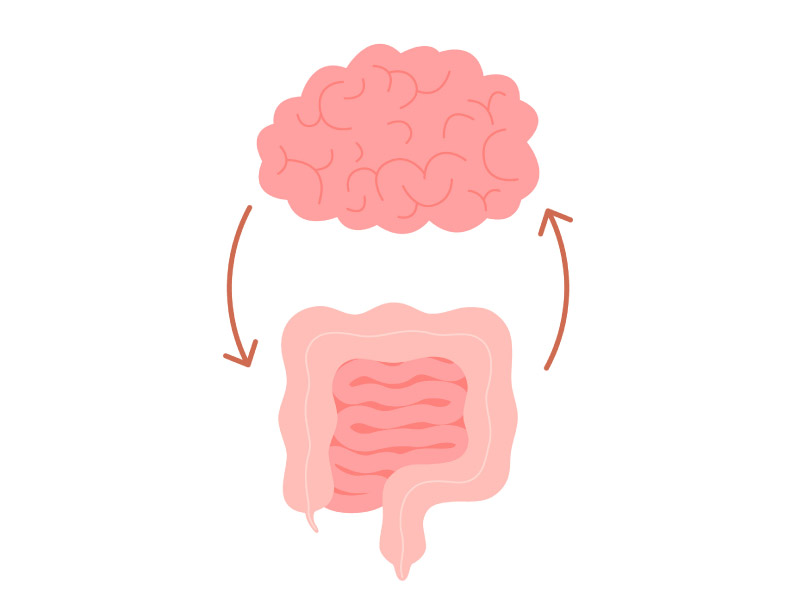
Your brain is particularly sensitive to changes in blood sugar. When levels rise too quickly, such as after a muffin and latte breakfast, the body releases insulin to bring things back down. But when they drop too low, as often happens after a spike, you might feel irritable, foggy, shaky, or anxious. Many people reach for more caffeine or sugar at this point, and the cycle continues. Over time, this pattern can contribute to insulin resistance, inflammation, and burnout. In fact, managing blood sugar is one of the keys to maintaining a healthy mind and body as you age. So how do we break this cycle without cutting out all carbohydrates or living on salad and chicken? Here are several evidence-informed strategies I use with patients to help them regain stable energy and focus, reduce cravings, and support long-term metabolic health, without rigid food rules.
1. Eat your food in the right order Research shows that eating vegetables first, then protein and fat, and saving starches and sweets for last can significantly reduce the glucose rise after a meal. This simple shift in meal sequencing helps moderate insulin release and keeps energy levels steadier.
2. Start the day with protein A high-protein breakfast, such as eggs with greens and avocado or a smoothie with plant-based protein powder and chia seeds, can anchor your blood sugar for the day and prevent the mid- morning crash that often leads to poor food choices.
3. Move after meals A short walk, even 10 to 15 minutes, after a meal helps your muscles use up glucose, lowering the spike and easing the burden on your pancreas. It is also a great way to clear your mind and reduce stress, which itself can raise blood sugar.
4. Use vinegar strategically A tablespoon of apple cider vinegar diluted in water, taken before a carbohydrate-rich meal, can blunt the post-meal blood sugar rise. This is not a magic fix, but for many of my patients, it is a practical tool that makes a noticeable difference in how they feel after meals.
5. Don’t fear carbohydrates, pair them Instead of cutting carbohydrates entirely, pair them with healthy fat, fiber, or protein. For example, instead of eating an apple on its own, have it with almond butter. This slows digestion and makes the glucose load easier for your body to manage.
In my practice, I offer blood sugar testing, as well as more advanced assessments of insulin function that can detect subtle imbalances long before diabetes develops. Testing fasting insulin, insulin after a meal, glucose curves, and related markers can reveal patterns of impaired glucose tolerance that are often missed by standard blood tests. This allows us to intervene earlier, using nutrition, lifestyle, and targeted natural medicine to restore metabolic balance before it becomes a diagnosis. Stabilizing blood sugar is not just about weight or diabetes prevention, it is about daily quality of life: your energy, your mood, your ability to think clearly and sleep deeply. You do not have to overhaul your entire diet, just get smarter about when, how, and with what you eat. Small, targeted changes can yield powerful results.