Hormone Replacement News – FDA update

Recent news from the U.S. Food and Drug Administration is shaking up decades of thinking about menopause hormone therapy. For years, women were warned about the risks of hormone replacement therapy (HRT) following the 2002 Women’s Health Initiative study. Now, the FDA has moved to remove long-standing “black box” warnings from many menopause hormone therapies, signaling that the risk profile is far lower than previously believed. It no longer includes a warning about increased risks of breast cancer, heart disease, or dementia.

This change is significant. It reflects more current research showing that when we use the right form of hormone replacement therapy in the right women, it can be done safely both short and long term. As a naturopathic physician who has worked extensively with perimenopausal and menopausal women for almost thirty years, I regularly review the research to make sure that women receive sensible, science-based advice. I also help women navigate their healthcare at this sometimes tumultuous time with a personalized approach that often combines lifestyle, natural medicine, and, when appropriate, bioidentical hormones. My goal is not just to relieve hot flashes or night sweats, but to support overall health including sleep, mood, heart, bone, brain, sexual and metabolic health.

For women who choose not to use hormones, non-hormonal options are more effective than ever. Several new pharmaceutical medications target hot flashes and night sweats without hormones, and many women also benefit from herbal medicine, nutritional supplements, and lifestyle strategies that improve symptoms with minimal side effects. Lifestyle interventions including regular exercise, stress reduction techniques, and mindful nutrition can significantly reduce vasomotor symptoms and improve energy and mood. The science behind herbal medicine for a variety of menopausal symptoms is quite impressive and, in my experience, herbs can help create much needed balance at this time.

Beyond symptom relief, menopause is a time to prioritize prevention and long-term wellness. Strategies to reduce inflammation and blood sugar while increasing anti-oxidants and improving mitochondrial function are critical for helping to prevent disease and promote health as we age. Specifically, menopause is a turning point for cardiovascular and bone health. Weight-bearing exercise, a Mediterranean-style diet rich in vegetables and healthy fats, and targeted supplements can help reduce the risk of osteoporosis and heart disease. Mind-body practices like yoga, meditation, and breathing techniques help manage stress, improve sleep, and support mental clarity.

What this FDA update highlights is a larger truth: menopause care is highly individual. Some women may benefit from bioidentical hormone replacement, while others thrive with a non-hormonal, natural medicine and lifestyle-focused approach. The key is guidance from a knowledgeable physician who can evaluate your health history, monitor labs, and create a comprehensive plan.

For women navigating this transition, the message is empowering. Menopause does not have to mean enduring discomfort or compromising long-term health. With personalized care combining safe medical options, lifestyle strategies, and natural supports, women can maintain vitality, balance, and wellbeing well into their later years. To learn more about bioidentical hormones check out www.getwellhere.com/bioidentical-hormones-research-update/. To contact the office of Courtenay naturopathic physician, Dr. Deidre Macdonald: 250 897-0235 or www.getwellhere.com

Longevity Supplements

Every generation gets its own set of anti-aging supplements. Some fade quickly. Others earn a closer look because they are grounded in real human biology rather than marketing hype. In recent years, supplements aimed at longevity have gained attention, particularly among adults over 50 who want to preserve energy, strength, and cognitive function. The challenge is knowing which ones deserve thoughtful consideration.

One compound attracting legitimate scientific interest is NAD, or nicotinamide adenine dinucleotide. NAD is not a trendy invention. It is a molecule found in every living cell. It plays a central role in converting food into energy inside mitochondria and is required for DNA repair and cellular stress responses. Research shows that NAD levels decline with age, which may help explain why stamina, recovery, and resilience to disease often diminish over time.

Because NAD itself is poorly absorbed when taken orally, supplements such as NMN, nicotinamide mononucleotide, and NR, nicotinamide riboside, are used as precursors. Animal studies have consistently shown benefits related to metabolic health and mitochondrial function. Human research is still evolving, but clinical trials demonstrate that NMN and NR can safely raise NAD levels and may improve markers of insulin sensitivity, muscle metabolism, and fatigue. Claims of dramatic life extension, however, remain unproven.

Another supplement with strong evidence, though often overlooked, is creatine. Commonly associated with athletics, creatine has been shown in adults over 50 to support muscle strength, reduce age-related muscle loss, and even improve cognitive performance during periods of stress. Unlike many longevity supplements, creatine has decades of human data supporting both its effectiveness and safety.

Omega-3 fatty acids also deserve mention. While not marketed as longevity supplements, omega-3s reduce inflammation, support cardiovascular health, and may help slow cognitive decline. Large population studies consistently associate higher omega-3 intake with reduced cardiovascular risk, still the leading cause of death in older adults.

Not all popular longevity supplements hold up equally well. High-dose antioxidant vitamins (vitamin E, beta-carotene) were once promoted to prevent aging and chronic disease by “neutralizing free radicals.” Large human trials later showed that high-dose supplementation did not reduce mortality and in some cases increased risk, particularly in smokers. The emerging understanding is that some oxidative stress is necessary for cellular adaptation and repair, especially in response to exercise. This gap between theory and real-world benefit is common and highlights why evidence matters.

As a naturopathic physician, my role in healthy aging is not to chase supplement trends, but to help patients understand how these tools fit into the bigger picture. In clinical practice, this includes using detailed blood work to assess and monitor factors that strongly influence aging, such as thyroid function, insulin sensitivity, inflammation, lipid patterns, and nutrient status, alongside standard medical testing. Supplements are chosen thoughtfully and adjusted based on symptoms, objective markers, personal and family medical history.

For adults over 50, the most sensible approach is informed curiosity paired with individualized guidance. Supplements, including NAD precursors, creatine, and omega-3s, may support the biology of healthy aging when used appropriately and alongside strong lifestyle habits.

Aging well is less about finding a miracle pill and more about supporting the body’s capacity to repair, adapt, and function over time. When supplements are used thoughtfully, they can play a useful role, but they work best when grounded in science and personalized care.

Dr. Deidre Macdonald is a naturopathic physician practicing in downtown Courtenay. www.getwellhere.com 250 897-0235

Progesterone: The Brain’s Natural Bodyguard

When most of us hear the word progesterone, we immediately think of its traditional roles in pregnancy, the monthly cycle, or perhaps protecting the uterus during hormone replacement therapy. But for women navigating the perimenopause and menopause, this hormone is far more than a reproductive tool. In my practice, I often describe progesterone as the bodyguard of the nervous system. New clinical research is confirming what many women have been reporting for years: progesterone is a powerful neurosteroid. This means it isn’t just a passenger in the bloodstream; it is a hormone that is actually utilized and sometimes produced directly within the brain to protect, calm, and repair our grey matter.

The most common complaint I hear during the menopause transition is the 3:00 AM wake up. It is a specific kind of insomnia where you aren’t necessarily stressed, but your brain simply feels turned on and refuses to go back to sleep. When you take micronized progesterone, the form identical to what the body makes, your liver converts it into a vital metabolite called allopregnanolone. This molecule is remarkable because it can cross the blood-brain barrier and plug directly into your GABA-A receptors. GABA is your brain’s primary off-switch. It is the neurotransmitter responsible for inhibiting overactive neurons. By enhancing this off switch, progesterone acts as a natural, mild sedative. It reduces sleep latency, which is the time it takes to fall asleep, and significantly cuts down on wake after sleep onset; those frustrating middle of the night interruptions.

Unlike many pharmaceutical sleep aids, progesterone doesn’t just knock you out. It supports Stage 3 slow wave sleep. This is the restorative phase where the body repairs tissue and the brain’s glymphatic system clears out toxins. Most women find they wake up feeling truly refreshed rather than experiencing a morning hangover. Beyond sleep, progesterone acts as a natural bodyguard for your brain cells. We often discuss systemic inflammation in terms of joint pain or heart health, but neuroinflammation is a major player in the brain fog and memory lapses associated with aging.

Progesterone and its metabolites have been shown to support brain health by helping regulate the activity of microglia, the brain’s immune cells. Rather than suppressing the immune system, progesterone appears to promote a more balanced, less inflammatory state. It also supports mitochondrial function and helps reduce oxidative stress, which may contribute to its neuroprotective effects.

This protective effect may also extend to the immune system through what is sometimes called the mast cell connection. Many women in their 40s and 50s notice they become more sensitive to certain foods, fragrances, or seasonal allergens. Mast cells are part of the immune system and act as sentries, releasing histamine when they perceive a threat. Hormonal changes during this stage of life can influence how reactive these cells become. Progesterone appears to have a calming effect in some cases, helping to support a more balanced response rather than an exaggerated one. When mast cells are less reactive, symptoms such as itchy skin, rashes, digestive upset, or that “wired” feeling may be reduced.

As we age, we aren’t just losing a reproductive hormone; we are losing a vital component of our brain’s security system. If you are struggling with sleep or anxiety, it may be time to look at progesterone through this much wider lens.

Dr. Deidre Macdonald is a Naturopathic Physician in the Comox Valley specializing in women’s health and the menopause transition.www.getwellhere.com 250 897-0235.

Lorem ipsum dolor sit amet, consectetur adipiscing elit. Ut elit tellus, luctus nec ullamcorper mattis, pulvinar dapibus leo.

Protein Power: Your Ally in Aging Gracefully and Staying Strong

When it comes to healthy aging, protein is like the unsung hero of nutrition—always there, quietly working behind the scenes to keep your muscles strong, your brain sharp, and your body resilient. But how much protein do you really need, and is it possible to have too much of a good thing? As a naturopathic physician with a focus on nutrition and healthy aging, these are questions I commonly get from my patients. So, let’s dive into the science and myths of protein and how it can help you stay fit and vibrant at any age.

First, let’s get the numbers straight. The science says that most adults benefit from consuming 1.2 to 1.6 grams of protein per kilogram of body weight daily. Calculate your protein requirements using your estimated lean body weight. For a person whose lean weight is 150 pounds or 68 kg, that’s an average of 26-36 grams of protein three times a day. Considering that one chicken breast has about 50g of protein, those numbers aren’t out of reach for most people.

Dietary protein supports maintaining and building muscle, which plays a vital role in balance, strength, blood sugar regulation, metabolic health, and more. After 50, we typically lose 1% of our muscle mass per year; after 70, that number goes up to 4%. However, exercise and protein intake can reverse that trend. And if you’re trying to build or maintain muscle, a post-workout protein shake isn’t just trendy—it’s genuinely effective. While there’s no need to obsess over a narrow “anabolic window” after exercise, having protein before or after a workout gives your muscles the building blocks they need.

Not all proteins are created equal, though. Animal proteins like chicken, eggs, and dairy tend to pack the biggest punch when it comes to essential amino acids, especially leucine—the star amino acid that triggers muscle growth. But if you’re vegetarian or vegan, don’t fret. By consuming a variety of plant-based proteins, like beans, soy, quinoa, and lentils, and perhaps adding a plant-based protein powder, you can absolutely meet your needs.

What about concerns that high-protein diets might harm your kidneys or speed up aging? For most healthy people, these fears are more myth than fact. Research shows that regular exercise changes how the body processes protein, directing its benefits to where they’re needed most—your muscles and brain. Staying active essentially turns protein into a tool for health, not harm.

Now, let’s tackle a common concern: IGF-1, a hormone that spikes with higher protein intake. Some studies suggest this could increase cancer risk, but here’s the nuance: exercise flips the script. Physical activity directs IGF-1 to muscle repair and brain health while limiting its availability to potential problem areas. Simply put, a balanced diet paired with regular movement lets protein do its job without unintended consequences.

Ultimately, the magic of protein lies not just in what you eat, but in how you live. Pairing a thoughtful protein intake with resistance training or even a daily brisk walk can help keep your body strong and your mind sharp. After all, isn’t that the goal of healthy aging; staying active, independent, and ready for life’s adventures?

So, whether you’re whipping up a protein-packed smoothie, enjoying a hearty lentil soup, or indulging in a grilled salmon dinner, remember every bite is an investment in your future. Protein isn’t just for athletes or bodybuilders; it’s for anyone who wants to age gracefully, stay fit, and feel amazing in their skin. Cheers to that.

Dr. Deidre Macdonald is a naturopathic physician who has practiced in downtown Courtenay since 1997. Contact 250 897-0235 or via getwellhere.com.

 Shining a Light on Healing

Over the past twenty years in practice, I have had the privilege of watching many different therapies help people recover from injury and chronic pain. One therapy that has gained increasing attention over the past decade is Low Level Laser Therapy, sometimes called cold laser therapy.

Despite the sophisticated name, the principle behind it is surprisingly simple. Healing happens at a microscopic level. Inside each of our cells are structures called mitochondria. You can think of them as tiny power plants that generate ATP, the energy currency our cells need to function and repair themselves.

When tissue is injured or inflamed, these cellular power plants often slow down. With less available energy, healing can stall. This is one reason why aches and pains that begin with a small injury can linger for months or even years, long after the original event has faded from memory.

Low Level Laser Therapy works through a process known as photobiomodulation. Plants use sunlight to create energy through photosynthesis. In a similar way, human cells can absorb specific wavelengths of light and convert them into usable energy.

When a carefully calibrated therapeutic laser is applied to injured tissue, those light photons are absorbed by the mitochondria. In essence, the therapy helps support cellular energy production. With more ATP available, cells are better able to clear inflammatory byproducts and rebuild healthy tissue.

Pain often persists because the body becomes caught in a chronic inflammatory loop. The original injury may be long past, yet the surrounding tissues remain irritated and sensitive. Light therapy can act as a gentle biological nudge, helping restore normal communication between the nervous system and the immune system so that the healing process can move forward.

For example, someone with persistent shoulder pain who has tried rest and physiotherapy may find that progress has plateaued. In these situations, supporting the tissue at a cellular level can sometimes help shift the healing process.

This is particularly relevant as we move through our fifties, sixties and beyond. With age, circulation to smaller tissues declines and collagen production slows. These changes contribute to common conditions such as osteoarthritis, tendon injuries and degenerative disc problems. The body still knows how to repair itself, but sometimes it benefits from additional support.

By stimulating micro-circulation and supporting the activity of repair cells, light therapy can help create a healthier environment for connective tissues. In a broader wellness plan, it becomes one of the non-invasive tools that may help maintain joint health and mobility over time.

In clinical practice, Class 3B lasers are among the most widely studied forms of therapeutic laser. They deliver light energy without producing heat, allowing the tissue to absorb the precise photonic dose needed to stimulate healing while maintaining an excellent safety profile.

Placebo-controlled clinical trials have shown that Low Level Laser Therapy can be helpful for several common conditions, including osteoarthritis of the knee or hand, chronic low back pain, tendon injuries such as rotator cuff or Achilles problems, neck pain related to posture or whiplash, and certain forms of nerve pain. As with any therapy, results can vary, and it tends to work best as part of a broader plan that may include movement, nutrition and other treatments.

For many people, it becomes one more way to help the body do what it was designed to do all along: repair itself. Sometimes healing simply needs a little more light.

Dr. Macdonald is a naturopathic physician practicing in downtown Courtenay since 1997. 250-897-0235 or www.getwellhere.com

 Blood Sugar Hacks

As a naturopathic doctor, I often see patients who don’t realize that their daily ups and downs in
energy, mood, and cravings are rooted in something deceptively simple, blood sugar instability.
You don’t need to have diabetes for your blood glucose levels to impact how you feel. In fact,
even subtle fluctuations, common in people who think they’re eating “normally,” can interfere
with hormonal balance, mental clarity, sleep quality, and long-term disease risk.

Your brain is particularly sensitive to changes in blood sugar. When levels rise too quickly, such
as after a muffin and latte breakfast, the body releases insulin to bring things back down. But
when they drop too low, as often happens after a spike, you might feel irritable, foggy, shaky, or
anxious. Many people reach for more caffeine or sugar at this point, and the cycle continues.
Over time, this pattern can contribute to insulin resistance, inflammation, and burnout. In fact,
managing blood sugar is one of the keys to maintaining a healthy mind and body as you age.
So how do we break this cycle without cutting out all carbohydrates or living on salad and
chicken? Here are several evidence-informed strategies I use with patients to help them regain
stable energy and focus, reduce cravings, and support long-term metabolic health, without rigid
food rules.

1. Eat your food in the right order
Research shows that eating vegetables first, then protein and fat, and saving starches and sweets
for last can significantly reduce the glucose rise after a meal. This simple shift in meal
sequencing helps moderate insulin release and keeps energy levels steadier.

2. Start the day with protein
A high-protein breakfast, such as eggs with greens and avocado or a smoothie with plant-based
protein powder and chia seeds, can anchor your blood sugar for the day and prevent the mid-
morning crash that often leads to poor food choices.

3. Move after meals
A short walk, even 10 to 15 minutes, after a meal helps your muscles use up glucose, lowering
the spike and easing the burden on your pancreas. It is also a great way to clear your mind and
reduce stress, which itself can raise blood sugar.

4. Use vinegar strategically
A tablespoon of apple cider vinegar diluted in water, taken before a carbohydrate-rich meal, can
blunt the post-meal blood sugar rise. This is not a magic fix, but for many of my patients, it is a
practical tool that makes a noticeable difference in how they feel after meals.

5. Don’t fear carbohydrates, pair them
Instead of cutting carbohydrates entirely, pair them with healthy fat, fiber, or protein. For
example, instead of eating an apple on its own, have it with almond butter. This slows digestion
and makes the glucose load easier for your body to manage.

In my practice, I offer blood sugar testing, as well as more advanced assessments of insulin
function that can detect subtle imbalances long before diabetes develops. Testing fasting insulin,
insulin after a meal, glucose curves, and related markers can reveal patterns of impaired glucose
tolerance that are often missed by standard blood tests. This allows us to intervene earlier, using
nutrition, lifestyle, and targeted natural medicine to restore metabolic balance before it becomes
a diagnosis.
Stabilizing blood sugar is not just about weight or diabetes prevention, it is about daily quality of
life: your energy, your mood, your ability to think clearly and sleep deeply. You do not have to
overhaul your entire diet, just get smarter about when, how, and with what you eat. Small,
targeted changes can yield powerful results.

Cortisol Myths

As a naturopathic doctor, I often hear cortisol talked about like a comic book villain, always wreaking havoc and stealing our health. But cortisol is far more complex than that. It’s a vital hormone that helps us survive and adapt to challenges. The real issue lies not in cortisol itself, but in the common misconceptions that surround it. Here are five of the most persistent myths I hear in my practice.

The first myth: cortisol is simply bad. In truth, it’s essential for life, regulating blood sugar, pressure, inflammation, and energy. Problems arise when cortisol is chronically high or low, often due to long-term stress or health conditions. It’s often blamed for abdominal weight gain because cortisol receptors are dense in visceral fat, promoting midsection storage. This metabolically active fat can contribute to further imbalances. The issue isn’t cortisol, but what throws it out of balance, often a sign your body is constantly alarmed or struggling for equilibrium.

Another common myth: high cortisol always means you’re just too stressed. While emotional stress elevates cortisol, it’s not the only cause. Sleep deprivation, blood sugar instability, chronic infections, overtraining, and inflammation can all increase levels. I’ve seen patients doing everything right, eating well, exercising, meditating, still have elevated cortisol due to physical, not necessarily emotional, stress.

The third myth: low cortisol only occurs in serious diseases like Addison’s. While Addison’s is a rare autoimmune condition where adrenal glands stop producing cortisol, many experience functional low cortisol. This often develops after long periods of stress, when the body downregulates production to protect itself. People frequently wake up tired, feel flat in the afternoon, and get a second wind at night. Their quality of life suffers. Adaptogens like Rhodiola and Ginseng are helpful, regulating the stress response. Licorice root also supports cortisol by extending its availability. Naturopathic strategies also focus on optimizing sleep, gentle movement, and nutrient-dense dietary support to restore adrenal balance.


Another misconception: cortisol can be tested accurately at any time of day. In reality, cortisol follows a daily rhythm, highest in the morning and lowest at night. A single random blood test isn’t useful. Comprehensive testing, using saliva or urine samples taken at several points, reveals healthy, blunted, or reversed patterns, often aligning with how people feel and guiding treatment.


Lastly, there’s the belief that relaxing more is all you need to fix cortisol issues. While calming practices like meditation and deep breathing are valuable, they’re only part of the picture. Cortisol regulation also depends on sleep quality, stable blood sugar, digestive health, and inflammation control. Natural medicines can also jump start the healing process. A comprehensive approach works best for this complex hormone.

Cortisol is not the enemy. It’s a survival tool our bodies rely on, especially in times of change. By understanding how it truly works, we can better support our energy, focus, mood, and long-term health.

Dr. Deidre Macdonald is a naturopathic physician who has practiced in Courtenay since 1997. Contact at 250 897-0235 or via www.getwellhere.com

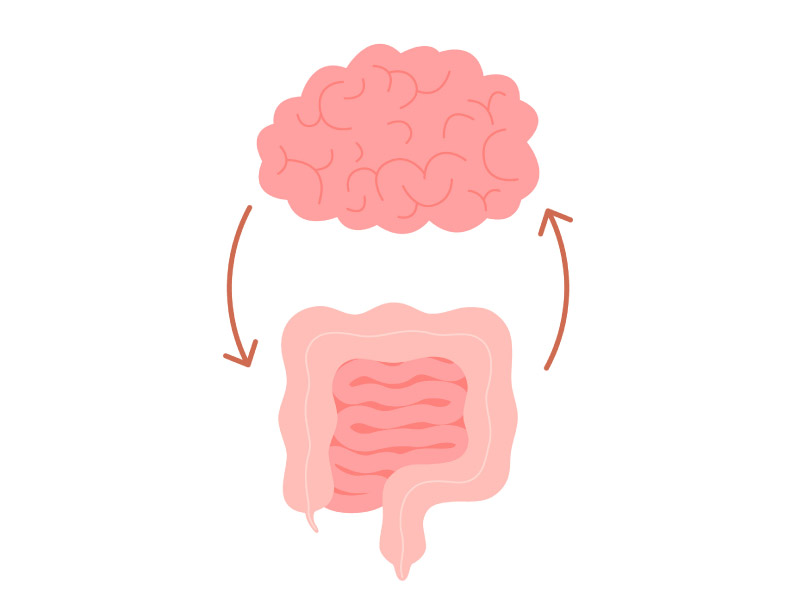
Brain Fog? The Gut-Brain Connection

Many of my patients come to me with concerns that feel both familiar and frustrating: mood swings, brain fog, and memory lapses. While these symptoms are often chalked up to changes in the brain itself, research is increasingly pointing to a less obvious but powerful player: the gut. In this article, I’ll explore the fascinating connection between our digestive system and mental health, known as the gut-brain axis, and share the strategies I use as a naturopathic physician to support this system, especially for those navigating the physical and hormonal shifts that often begin after 50.

The gut-brain axis represents a sophisticated, two-way communication system involving neural, hormonal, and immune pathways. At the heart of this dialogue is the gut microbiome, the trillions of microorganisms that reside in our digestive tract. This internal ecosystem influences nutrient absorption, immune health, and even the production of neurotransmitters like serotonin, a chemical strongly tied to mood regulation. In fact, the majority of the body’s serotonin is produced in the gut, underscoring the biochemical link between digestive health and emotional well-being.

As we age, or when lifestyle and environmental stressors take a toll, this internal balance can be disrupted. Digestive issues like bloating, irregular bowel habits, and indigestion may be more than minor annoyances. They can signal deeper imbalances in the gut ecosystem, known as dysbiosis. Two conditions commonly linked to these symptoms are Small Intestinal Bacterial Overgrowth (SIBO) and Intestinal Candidiasis.

SIBO arises when excess bacteria grow in the small intestine, where bacterial counts are typically low. This overgrowth can interfere with digestion and nutrient absorption and may contribute to symptoms like bloating, fatigue, and cognitive fog. Similarly, intestinal candidiasis involves an overgrowth of Candida, a yeast that can flourish under certain conditions such as antibiotic use, high sugar intake, or chronic stress. Research suggests that byproducts from microbial overgrowth and inflammation may influence brain chemistry and mood.

From a naturopathic perspective, the goal is to restore balance to the digestive system in a sustainable, individualized way. Nutrition is central to this process. Dietary adjustments can help shift the internal environment, reducing the fuel for unhelpful microbes and supporting the growth of beneficial ones. This approach is not about rigid or permanent food restriction but about working with the body’s needs to create an environment where health can flourish.

Natural compounds and plant-based supports may also play a role in re-establishing harmony in the gut microbiome. Sometimes short term use of targeted pharmaceuticals is needed to restore balance in the small intestine. These medicines are chosen thoughtfully based on a person’s individual presentation, with the aim of improving digestive comfort and overall health.

Equally important is the role of the mind. Chronic stress can disrupt gut function and microbial balance, creating a feedback loop that affects both digestion and mood. Practices such as meditation, breathing techniques, or mindful movement can calm the nervous system and support a more resilient digestive system.

In essence, optimizing the gut-brain connection is about more than managing symptoms. It involves cultivating a healthy internal ecosystem that supports sharper memory, greater emotional stability, and a more vibrant experience of life as we age.

Fatigue After 50

We’ve all felt tired at times. But if you’re over 50 and waking up just as tired as when you went to bed, or if you find yourself needing more and more coffee just to get through the day, it may be time to ask: what’s really going on?

Fatigue is one of the most common reasons people visit their doctor, yet it’s often brushed off as a natural part of aging. While energy levels do shift over time, persistent fatigue is not something you have to accept. It’s often a sign that something deeper needs attention.

As a naturopathic physician, my first step when a patient comes in with fatigue is a thorough assessment. That includes listening to their story, performing a detailed physical examination, and ordering targeted lab tests to uncover the root cause.

Iron and B12 are classic culprits, especially in women who’ve had years of heavy periods, or in anyone with digestive issues that impact absorption. Low iron can make you feel foggy, weak, or short of breath. B12 deficiency, more common with age, can sneak up with symptoms like numbness, low mood, and deep fatigue.

Thyroid function is another key area to check. The thyroid acts like your internal thermostat; when it’s underactive, everything slows down. You might feel cold, sluggish, constipated, or gain weight without trying. A proper thyroid assessment includes not only TSH, but often free T4, free T3, and thyroid antibodies for a complete picture.

Sleep apnea, surprisingly under-diagnosed, is a major cause of fatigue. Even people who think they sleep fine may not be getting deep, restorative sleep if their breathing is interrupted throughout the night. If a partner notices snoring or pauses in breathing, or if you wake up groggy or with headaches, it’s worth investigating.

Chronic stress over decades can tax the body. HPA axis dysfunction refers to a disruption in the normal functioning of the hypothalamic-pituitary-adrenal axis, a key system regulating the body’s stress response. When imbalanced, people may experience poor stress resilience, low morning energy, and that ‘wired but tired’ feeling.

In addition, persistent fatigue can be an early sign of more serious conditions like cardiovascular disease, cancer, digestive disorders, autoimmune disease, MS, and more. I believe in being very thorough with my fatigue patients to look for clues of deeper pathology. Once we’ve ruled out or addressed medical causes, it’s time to look at restoration. This is where naturopathic medicine shines.

Restoration means nourishing your body with quality sleep, balanced meals, and rhythm in your day. It may involve replenishing nutrients like iron or B12, supporting thyroid or adrenal function with herbs, or improving sleep hygiene and stress management.

Sometimes, we use natural supports like ashwagandha, rhodiola, or magnesium, and can prescribe pharmaceutical treatments when appropriate.

The goal isn’t just to mask the fatigue, but to help your body function optimally again. Because yes, energy changes with age, but you should still feel vital, sharp, and engaged with life. Fatigue is a signal. The question is: are we listening?

Dr. Deidre Macdonald is a naturopathic physician who has practiced in downtown Courtenay since 1997. www.getwellhere.com or 250 897-0235


ADHD in Adults

Attention Deficit Hyperactivity Disorder, or ADHD, is a condition we normally associate with children. But it is estimated that one in twenty adults meets the criteria for Adult ADHD. Most of these people likely showed symptoms as children; a study that tracked children with ADHD into adulthood found that only 10% completely grew out of it. In recent years, many well-known and accomplished people have shared that they have ADHD, including actor/singer Justin Timberlake, Olympic swimmer Michael Phelps, and Olympic gymnast Simone Biles. There are many tools available to help adults with ADHD to make the most of their unique neurological style. But the first step is to recognize the patterns. 

Having a brain with ADHD can be challenging. The disorder is characterized by a persistent pattern of inattention and/or hyperactivity/impulsivity that interferes with daily functioning. Some people struggle to pay attention in various aspects of their life. They might make careless mistakes, not seem to listen when spoken to directly, fail to follow through on tasks and instructions, show poor organization, avoid tasks requiring sustained mental effort, and get easily distracted (including by their own thoughts). These people are more likely to fly under the radar than hyperactive people. Hyperactivity in adults takes the form of fidgeting, tapping or squirming, restlessness, difficulty engaging in quiet activities, talking excessively, and interrupting others. While many adults with ADHD are high-functioning, creative, dynamic people, the lack of organizational skills may impact work performance, and the lack of emotional regulation may impact relationships. The result is often anxiety and low self-esteem.

Since there can be significant overlap with other issues, particularly anxiety, post-traumatic stress disorder (PTSD), and depression, it’s important to determine which came first, or which is the primary condition. It can be hard to focus when your mind is racing with anxiety or consumed by depression. Insomnia can be related to ADHD and exacerbated by ADHD medication, but it can also significantly worsen symptoms. Addressing underlying sleep issues is one of the best ways to improve focus, impulse control, and problem-solving. Post-concussion syndrome should also be ruled out as symptoms can be very similar. 

Because this disorder is often misunderstood, many people who have it do not receive appropriate treatment. But it can be quite liberating to realize that ADHD is just one type of neurodiversity, and there are ways to make the best of it. As a naturopathic physician, I look at each person as an individual and develop a plan to optimize their brain function. That plan may include addressing the profound gut-brain connection; I have seen many children with a history of ear infections and repeated antibiotic use, for instance, who later manifest symptoms of ADHD. Studies now show a link between changes in the gut microbiome and ADHD. Nutrition can play a significant role in brain health. Adequate levels of iron, B12, and Vitamin D, as well as balanced blood sugar levels, are all crucial. Fish oils can help the brain. Balancing the nervous system through natural medicine can help focus the mind and calm the body. Perimenopause or PMS can also exasserbate ADHD and there are excellent strategies for both. I help my patients to work on reducing stress, improving sleep, and getting regular exercise. Mindfulness techniques can help develop the capacity for prolonged attention and self-regulation, and to dial down stress and restlessness. Moreover, organizational skills that may come naturally to some people can be learned, just like you would learn a sport or instrument. Although medications can be helpful for some people with ADHD, the best way forward for optimal functioning is to combine medication with a brain-supportive lifestyle, natural medicines, and skills development. 

Dr. Deidre Macdonald is a naturopathic physician practicing in downtown Courtenay. Contact at www.getwellhere or 250 897-0235.  and