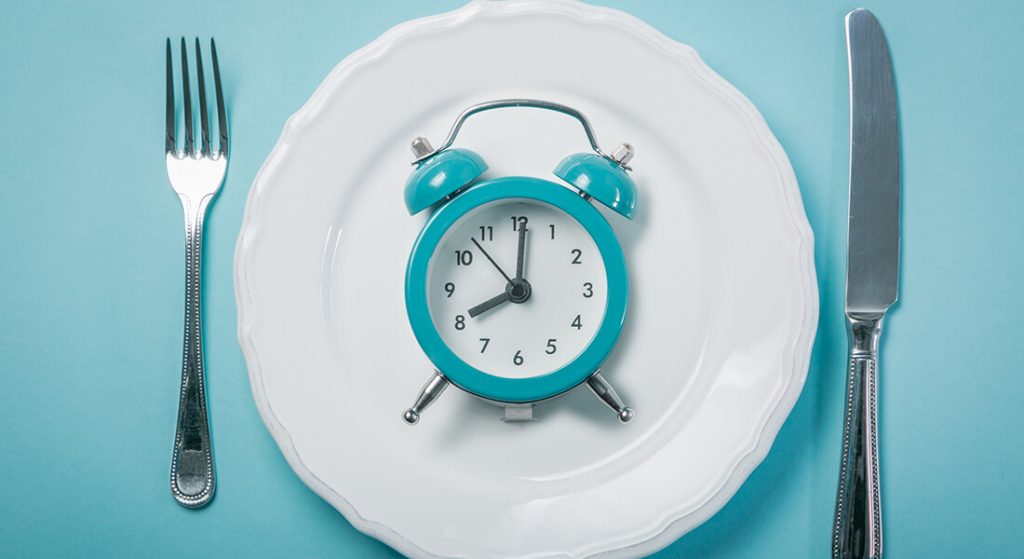
Eat for Life: Time Restricted Eating

What if there was one simple lifestyle change that could increase your lifespan? Researchers who study the science of longevity and disease prevention have found that there is indeed one simple lifestyle pattern that can decrease the risk of cancer, heart disease, obesity, diabetes and more: don’t eat at night. It turns out that our bodies are designed to process food better during the day, and when we eat at night, we rob our cells and organs of much-needed rest and repair. Studies show that while of course it matters what we eat, it also matters when we eat.

The human body evolved to eat during the daylight hours, when it’s safe to collect and prepare our food, and not to eat in the evening, when it’s dark and dangerous to be outside. Fifteen percent of the human genome works on a body clock, and about 50% of those genes are involved in the metabolism of food. We know the brain has a circadian rhythm, but so do the pancreas, intestines, liver and more.

Now with the advent of electricity and demanding work hours, we typically have our largest meal of the day in the evening and often snack after that. Our meal patterns are not in alignment with how we evolved to eat and can be detrimental to our metabolism and our cellular repair mechanisms. Does it really make sense to consume most of our calories within hours of going to sleep? It’s like showing up to a restaurant at closing time: the cooking staff will not be happy. Eating at night has been shown to raise blood sugar and insulin, increase inflammation, throw off hormones and decrease the important daily cellular clean-out called autophagy. Under these conditions the body can become fertile soil for disease.

As a naturopathic physician I regularly monitor these blood parameters and show people ways to lower their risk factors with lifestyle changes and natural medicines. One of those ways is to just change when you eat. Eating breakfast, lunch and dinner within the daytime hours, before 7 p.m., and allowing at least a 13-hour fast overnight is enough to show benefits. Some experts recommend extending that fasting window further by having a later breakfast and an earlier dinner if you can.

Time restricted eating has even been shown to reduce cancer rates. In one study, of 2,500 breast cancer survivors who tracked their food intake for seven years, a strong association was found to when they were eating. Women who had at least a 13-hour overnight fast had a 40% decrease in breast cancer recurrence and an over 15% decrease in all causes of mortality, regardless of whether they were overweight or not.

Other conditions that have been shown to improve from extended overnight fasting are gastric reflux, fatty liver, cardiovascular disease and diabetes. Weight loss with this mechanism alone is modest, but it can add up over time. In a famous study, two groups of mice were fed the same number of calories, but one group was fed only during the mice’s daytime and the other could graze all day and night. The mice in the Time Restricted Feeding group lost more weight than the other mice. In similar human trials, weight loss is more significant because without even trying, people will consume about 200 fewer calories per day when they stop nighttime snacking.

Time Restricted Eating is a simple lifestyle change that anyone can implement. Your body is designed to thrive in those conditions. Pregnant women and people with blood sugar issues, eating disorders or other health conditions would be wise to consult with their naturopathic physician or family doctor before making any dietary changes.

To book a naturopathic medical consultation with Dr. Deidre Macdonald

Hope for Parkinson's Disease

Muhammad Ali and Michael J. Fox are famous people who have Parkinson’s disease, and one in 500 people in Canada will join their ranks. Parkinson’s disease (PD) is a degenerative neurological disease that slowly affects the ability to control movement.  Symptoms can include tremors, difficulty walking and speaking.  Early symptoms can include decreased thirst, loss of smell, constipation, anxiety and decreased arm swinging while walking. This condition was thought to be chronic and progressive and could only be managed with medications.  Now, with a deeper understanding of the factors that contribute to nerve cell damage, there are targeted strategies that can slow or even reverse the disease to some degree. Many of these principles are just smart preventative lifestyle strategies for all of us who want to protect our brains from degeneration.


Dr. Laurie Mischley is a naturopathic doctor who works with people with Parkinson’s disease in Seattle.  The average Parkinson’s patient has a symptom score of 500 at the time of diagnosis in a standardized test for Parkinson’s, and their score goes up by 38 points per year on average.  In contrast, Dr. Mischley’s patients have an average 200-300 point decrease in their score over one year of treatment.  Those numbers got my attention when she spoke at a recent brain health conference I attended.


Dr. Mischley is emphatic that Parkinson’s does not have to be a progressive, irreversible disease.  Progression can be slowed and sometimes reversed to a degree if we seek to understand what is stressing the neurons and remove those stresses while supporting optimal brain health with targeted lifestyle strategies and natural medicines.  Dr. Mischley says that by the time PD is diagnosed, the processes that created it have been in the works for twenty years or more.  Science has shown us that risk factors include drinking well water with high manganese or pesticide runoff, head trauma, heavy metal exposure (welders), dairy consumption, pesticide exposure, certain viral or fungal infections, intestinal microbiome imbalances, autoimmune processes, high iron, low B12, smoking, drinking and more.  If we can identify and target these neurological stress factors, we can improve brain health.


Lab tests can help us identify the stress factors associated with Parkinson’s disease.  These include inflammatory markers (CRP), blood sugar work up, iron, vitamin B12, food allergies, heavy metal testing, intestinal testing, brain auto-antibody testing, vitamin D, oxidative stress tests, (low) cholesterol, homocysteine, DHEA-S, thyroid function and more. Naturopathic physicians can order these types of lab tests and provide thorough analysis.


Dietary interventions include eating more plant-based foods, such as fruit, vegetables, nuts and seeds and healthy oils.  Fish and organic chicken are encouraged, while dairy, red meat, flour and sugar are discouraged. Exercise can play an important role in Parkinson’s treatment, and our local recreation centres are providing classes specifically for this condition. Natural medicines are also vital for creating an environment in the brain where the nerves can thrive. Coenzyme Q10 and fish oil are associated with better outcomes in PD.  Glutathione precursors provide protection against oxidative stress in the brain, which is critical for PD.  Targeting heavy metal elimination, autoimmune balancing, gut microbiome restoration, mitochondrial repair, and homocysteine-lowering are the types of individualized treatments on which naturopathic physicians can coach their patients.  Medications that promote dopamine are an important aspect of the management of PD, but knowing that you can also address the causative factors and take charge of the progression of this condition is empowering.

Hope for Parkinson’s Disease

Muhammad Ali and Michael J. Fox are famous people who have Parkinson’s disease, and one in 500 people in Canada will join their ranks. Parkinson’s disease (PD) is a degenerative neurological disease that slowly affects the ability to control movement.  Symptoms can include tremors, difficulty walking and speaking.  Early symptoms can include decreased thirst, loss of smell, constipation, anxiety and decreased arm swinging while walking. This condition was thought to be chronic and progressive and could only be managed with medications.  Now, with a deeper understanding of the factors that contribute to nerve cell damage, there are targeted strategies that can slow or even reverse the disease to some degree. Many of these principles are just smart preventative lifestyle strategies for all of us who want to protect our brains from degeneration.

Dr. Laurie Mischley is a naturopathic doctor who works with people with Parkinson’s disease in Seattle.  The average Parkinson’s patient has a symptom score of 500 at the time of diagnosis in a standardized test for Parkinson’s, and their score goes up by 38 points per year on average.  In contrast, Dr. Mischley’s patients have an average 200-300 point decrease in their score over one year of treatment.  Those numbers got my attention when she spoke at a recent brain health conference I attended.

Dr. Mischley is emphatic that Parkinson’s does not have to be a progressive, irreversible disease.  Progression can be slowed and sometimes reversed to a degree if we seek to understand what is stressing the neurons and remove those stresses while supporting optimal brain health with targeted lifestyle strategies and natural medicines.  Dr. Mischley says that by the time PD is diagnosed, the processes that created it have been in the works for twenty years or more.  Science has shown us that risk factors include drinking well water with high manganese or pesticide runoff, head trauma, heavy metal exposure (welders), dairy consumption, pesticide exposure, certain viral or fungal infections, intestinal microbiome imbalances, autoimmune processes, high iron, low B12, smoking, drinking and more.  If we can identify and target these neurological stress factors, we can improve brain health.

Lab tests can help us identify the stress factors associated with Parkinson’s disease.  These include inflammatory markers (CRP), blood sugar work up, iron, vitamin B12, food allergies, heavy metal testing, intestinal testing, brain auto-antibody testing, vitamin D, oxidative stress tests, (low) cholesterol, homocysteine, DHEA-S, thyroid function and more. Naturopathic physicians can order these types of lab tests and provide thorough analysis.

Dietary interventions include eating more plant-based foods, such as fruit, vegetables, nuts and seeds and healthy oils.  Fish and organic chicken are encouraged, while dairy, red meat, flour and sugar are discouraged. Exercise can play an important role in Parkinson’s treatment, and our local recreation centres are providing classes specifically for this condition. Natural medicines are also vital for creating an environment in the brain where the nerves can thrive. Coenzyme Q10 and fish oil are associated with better outcomes in PD.  Glutathione precursors provide protection against oxidative stress in the brain, which is critical for PD.  Targeting heavy metal elimination, autoimmune balancing, gut microbiome restoration, mitochondrial repair, and homocysteine-lowering are the types of individualized treatments on which naturopathic physicians can coach their patients.  Medications that promote dopamine are an important aspect of the management of PD, but knowing that you can also address the causative factors and take charge of the progression of this condition is empowering.

Healing Concussion and Traumatic Brain Injury

The human brain is a remarkable feat of engineering.  But with the consistency of Jello, it is quite vulnerable to damage from injuries.  Every year about 200,000 Canadians suffer concussions.  Sports injuries and car accidents are two common causes of brain injuries, but for seniors, concussions are more likely to be caused by a fall.  The good news is that the brain can recover from minor concussions within a short time. But for multiple concussions or more traumatic brain injuries, the path to recovery can be long and winding.  Post-concussion syndrome can persist for years without the proper help.  Research is showing that there are many ways to enhance healing of the brain. No matter how long it’s been since the brain injury, it’s never too late to jump-start more repair of those delicate structures of the brain that run our mind and body.

Concussions are difficult to diagnose with imagine like an MRI or CT scan, and the symptoms of post-concussion syndrome can be easily attributed to other things.  I often ask my patients about concussions and sometimes find that they do indeed have symptoms of post-concussion syndrome such as:  fatigue, memory loss, cognitive issues, headache, depression, anxiety, irritability, sleep issues, sensitivity to light or sound, issues with sight or hearing, nausea, dizziness and more.

The best approach after a brain injury is to minimize the damage and promote brain healing as soon as possible.  To do that, we have to understand how the brain cells actually get damaged with brain injury.  Then we can use treatments that target those processes. Most medical professionals are not versed in strategies to address what’s really going on in concussion and brain injury, and so these processes are left to damage the brain especially in the critical first few days after concussion.  We need to institute neuroprotection strategies that promote healing, and it’s never too late to start.

Neural inflammation is a significant cause of loss of brain cells, and the connections between them, after head injury.  There are a number of natural products that help to regulate neural inflammation such as curcumin, the DHA portion of fish oil, and green tea. Aerobic exercise also has tremendous benefits to the brain.

We also want to decrease oxidative stress on the brain cells by ingesting higher amounts of anti-oxidant rich foods and medicines.  Berries are rich in antioxidants and Vitamins C and E can be helpful too.

The blood brain barrier (BBB) is intended to only allow certain things to enter the brain from the blood, but after brain injury, there can be a breach in this filtering system.  Toxins then can enter the brain and cause more damage.  Alpha lipoic acid is excellent for healing the BBB and is also an antioxidant.

Mitochondria are the furnaces of the cells, producing needed energy.  The brain cells are particularly dependent on mitochondria for energy. Brain injury can damage the mitochondria and especially lead to brain fog and fatigue.  To heal from brain injury, we need to ramp up the mitochondrial function by taking supplements such as coenzyme Q10, B vitamins as well as eating whole foods and exercising.

We want to stimulate that parts of the brain that can regenerate by enhancing neural stem cells. Humble nutrients like Vitamin D and melatonin can help accomplish these goals.

Promote the lymphatic drainage in the brain called glymphatics. Like a Zamboni clearing the effects of ice skating on an ice rink, the glymphatics of the brain clear away the normal waste products that build up in the brain daily.  This is even more important post brain injury. Sleep is the time when these mechanisms ramp up the most, so I help my concussion patients enhance their sleep.
The nerves of the brain are intimately linked to the chemistry of the digestive system.  Chemicals produced by the gut bugs, or intestinal microbiome, travel to the brain and influence mood, thinking and more.  Having a healthy digestive system will help brain function and naturopathic physicians are an excellent resource for tools to enhance gut health.

Other treatments for concussion are also getting much needed attention.

Brain training can help make new connections in the brain.

The ketogenic diet, while somewhat arduous, has been shown to help a number of brain diseases, including post-concussion syndrome.

Neurofeedback is a sort of visual gym for learning to retrain and re-pattern disrupted brain activity (and is available in Comox).

Functional Neurology practitioners can help target the part of the brain that is malfunctioning and provide specific stimulation to heal those parts.

Cold laser therapy to the skull has demonstrated benefits to many patients at a Toronto clinic and human clinical trials are underway.  This painless treatment has been shown in animal studies to enhance brain healing after traumatic brain injury.  I have treated over 1000 people for various health issues with laser therapy as it helps to gently but quickly regenerate damaged tissue throughout the body.

Reducing electromagnetic fields that may not affect people with healthy brains, but may be one more stress on an injured brain. Turning off wireless at night and removing cordless phones from the bedroom are a good way to start.

There is hope.  No matter how far out from a brain injury, there is always reason for hope.  With the right treatment, people can improve significantly even years after a brain injury if they are willing to invest in their brain health.

To learn more about how this type of multifaceted approach might be able to help you, contact naturopathic physician Dr. Deidre Macdonald, ND at 250 897-0235 or via getwellhere.com

To learn more about how this type of multifaceted approach might be able to help you, contact naturopathic physician Dr. Deidre Macdonald, ND at 250 897-0235 or via getwellhere.com

Bladder Infections in the Age of Antibiotic Resistance

Remember the days when you would go to the doctor and get an antibiotic for every sniffle and cough? Those days are over because overuse and overreliance on antibiotics have created bacteria which can no longer be killed by ordinary antibiotics.  Doctors are now rightly conflicted because the antibiotics they prescribe may kill most of the bacteria but leave the few that are resistant and allow those strains to proliferate.  Multiple antibiotic resistant strains of bacteria cause infections in one in 16 people admitted to hospitals in Canada and cost $250 million per year. The Public Health Agency of Canada estimates that by 2050, there will be 10 million deaths annually worldwide caused by antibiotic-resistant bacteria, overtaking diabetes and cancer combined. 

In my decades of  practicing as a naturopathic physician, I have seen an increasing rate of these tough infections in my patients.  In particular, I have seen many women, particularly older women, who’ve had multiple bladder infections in a year, and some even need to use very strong intravenous antibiotics to treat them. The naturopathic approach to treating recurrent UTIs goes beyond just killing the superficial bacteria.  It endeavors to change the environment that is allowing the bacteria to persist.  It is a multi-faceted approach that is an example of how naturopathic medicine can play a role in reducing antibiotic resistance by stopping these types of tough bugs in their tracks. 

UTIs are generally created by bacteria from the feces migrating up the urethra and taking hold in the bladder.  In tough recurrent cases, biofilms can form that harbor infection.  Biofilms are a slimy goop that protects the bacterial community from antibiotics and the body’s natural defenses. For my patients with recurrent UTIs, the first step is to make sure they understand how to practice good hygiene.  Then I teach them how to check their own urine at home with a dip stick that can show signs of infection.  I use herbs that help to reduce the adherence of the bacteria to the bladder wall.  These herbs essentially flush out the bacteria, unlike antibiotics which are trying to kill them. Thus, the bacteria don’t mutate to avoid the herbs the same way.  I also use antibacterial herbs to reduce the population.  Plus we look at ways to break down the biofilm to allow greater access to the bacteria.  Scientific studies have shown that there are herbs that can do just that.  For my older patients, we look at strengthening the tissues of the urethral opening by introducing a bit of estrogen locally.  Repeated antibiotic use in the past has usually disturbed the natural defences provided by the good bacteria in the body.  Studies show that oral use of certain probiotics bolsters the genital good bacteria colonies, which can then act as the first line of defense against migrating nasty bacteria and reduce the incidence of UTIs as effectively as daily use of an antibiotic. I also look at ways to enhance the immune system with lifestyle and natural medicines, so the body’s natural defences are in fighting shape.  This type of whole-body approach can be very successful at stopping the cycle of infection and thus reduces the use of antibiotics.  We all need to do our part to turn the tide on antibiotic resistance

Alzheimer's Prevention and Treatment

Our brains are made up of an intricately interconnected web of neurons, run by electrical impulses that jump from cell to cell across gaps called synapses.  Chemical messengers help transmit those impulses, and this symphony of cells, chemicals and electricity results in all the thoughts, feelings and bodily functions that make us who we are. Age related memory loss and Alzheimer’s disease are examples of neurodegenerative conditions, and affect as many as 30% of the population over 70.  Drugs for Alzheimer’s disease have limited benefit, at best slowing progression.  The cause of Alzheimer’s is too complex for us to ever find a solution in a pill bottle. The brain is intimately connected to the rest of the body. Dysfunction in the body can damage the delicate components of the brain.  Cognitive decline is the result of a long trajectory of multiple stresses on the brain, many of which can be reduced by lifestyle change and natural medicine.


When scientists study the brains of people with Alzheimer’s they find amyloid plaques and neurofibrillary tangles from excess Tau protein. It is normal for these proteins to form, and the body has process to flush them out.  When excess amyloid and tau are formed, or not cleaned out, nerve signalling is impaired and shrinkage of key centres of the brain speeds up. Dementia was once thought to be progressive and irreversible.  We know now that buildup of amyloid plaques and neurofibrillary tangles are the result of years of stress on the brain such as neuroinflammation, oxidative stress, mitochondrial dysfunction (energy production in cells), high blood sugar / insulin, microbiome (intestinal bacteria) imbalances and more.  New research shows that these processes can be prevented and reversed which can preserve or improve cognitive function.  There are strategies that can also increase a healthy chemical in the brain called brain derived growth factor, promote neurogenesis (expansion of nerve cells), enhance the clearing of amyloid and Tau proteins (autophagy), and build new pathways in the brain (promote neuroplasticity).


I help my patients accomplish these goals by coaching them on how to create a lifestyle conducive to a healthy brain.  Food is your best brain medicine, so that’s where I start with my patients. Lack of sleep or use of pharmaceutical sleep aids are both associated with memory loss as it is during sleep that the brain clear amyloid.  Exercise increases brain-derived-growth-factor. Sustained aerobic exercise is particularly beneficial for preventing shrinkage of the brain’s memory centres. The gut-brain connection is important for brain health too, so improving digestion is key, as is stress reduction, and brain exercises.


I also educate my patients on the use of a few key natural medicines that have been researched to improve brain health.  For instance, a study of people taking the DHA component of fish oil showed an improvement in memory after six months. Resveratrol is a grape skin extract that helps to inhibit the creation of and promote the clearance of amyloid and tau, delaying the onset and progression of cognitive impairment. Curcumin, a turmeric extract, supports neuron regeneration, reduces neuroinflammation and helps clear amyloid plaques. Coenzyme Q10, Vitamin D and many other natural medicines also have shown benefits for dementia.  A ground-breaking study was conducted on 11 people diagnosed with early Alzheimer’s disease or cognitive impairment, most of whom had the Alzheimer’s gene.  They were given a multifactorial naturopathic protocol of lifestyle changes and natural medicines.  All but the one most advanced case had reduction in symptoms sufficient to reverse the diagnosis of Alzheimer’s and some showed increased brain volume on scans.  It is this multi-faceted approach to brain health that is necessary to keep our brains healthy and functioning well so we can live long and full lives.


Alzheimer’s Prevention and Treatment

Our brains are made up of an intricately interconnected web of neurons, run by electrical impulses that jump from cell to cell across gaps called synapses.  Chemical messengers help transmit those impulses, and this symphony of cells, chemicals and electricity results in all the thoughts, feelings and bodily functions that make us who we are. Age related memory loss and Alzheimer’s disease are examples of neurodegenerative conditions, and affect as many as 30% of the population over 70.  Drugs for Alzheimer’s disease have limited benefit, at best slowing progression.  The cause of Alzheimer’s is too complex for us to ever find a solution in a pill bottle. The brain is intimately connected to the rest of the body. Dysfunction in the body can damage the delicate components of the brain.  Cognitive decline is the result of a long trajectory of multiple stresses on the brain, many of which can be reduced by lifestyle change and natural medicine.


When scientists study the brains of people with Alzheimer’s they find amyloid plaques and neurofibrillary tangles from excess Tau protein. It is normal for these proteins to form, and the body has process to flush them out.  When excess amyloid and tau are formed, or not cleaned out, nerve signalling is impaired and shrinkage of key centres of the brain speeds up. Dementia was once thought to be progressive and irreversible.  We know now that buildup of amyloid plaques and neurofibrillary tangles are the result of years of stress on the brain such as neuroinflammation, oxidative stress, mitochondrial dysfunction (energy production in cells), high blood sugar / insulin, microbiome (intestinal bacteria) imbalances and more.  New research shows that these processes can be prevented and reversed which can preserve or improve cognitive function.  There are strategies that can also increase a healthy chemical in the brain called brain derived growth factor, promote neurogenesis (expansion of nerve cells), enhance the clearing of amyloid and Tau proteins (autophagy), and build new pathways in the brain (promote neuroplasticity).


I help my patients accomplish these goals by coaching them on how to create a lifestyle conducive to a healthy brain.  Food is your best brain medicine, so that’s where I start with my patients. Lack of sleep or use of pharmaceutical sleep aids are both associated with memory loss as it is during sleep that the brain clear amyloid.  Exercise increases brain-derived-growth-factor. Sustained aerobic exercise is particularly beneficial for preventing shrinkage of the brain’s memory centres. The gut-brain connection is important for brain health too, so improving digestion is key, as is stress reduction, and brain exercises.


I also educate my patients on the use of a few key natural medicines that have been researched to improve brain health.  For instance, a study of people taking the DHA component of fish oil showed an improvement in memory after six months. Resveratrol is a grape skin extract that helps to inhibit the creation of and promote the clearance of amyloid and tau, delaying the onset and progression of cognitive impairment. Curcumin, a turmeric extract, supports neuron regeneration, reduces neuroinflammation and helps clear amyloid plaques. Coenzyme Q10, Vitamin D and many other natural medicines also have shown benefits for dementia.  A ground-breaking study was conducted on 11 people diagnosed with early Alzheimer’s disease or cognitive impairment, most of whom had the Alzheimer’s gene.  They were given a multifactorial naturopathic protocol of lifestyle changes and natural medicines.  All but the one most advanced case had reduction in symptoms sufficient to reverse the diagnosis of Alzheimer’s and some showed increased brain volume on scans.  It is this multi-faceted approach to brain health that is necessary to keep our brains healthy and functioning well so we can live long and full lives.


Why am I so tired? Thyroid Issue May be the Cause

Every week people arrive at my clinic wondering if their thyroid is okay. They’ve often had their conventional doctor check their thyroid, and are told that everything is fine. However, they aren’t convinced. They feel tired, cold, achy, and gain weight easily. They have headaches, depression or constipation, all symptoms that may reflect low thyroid function. Experience has taught me that evaluating the thyroid is complex. Low thyroid function can be caused by the immune system itself and by the dysfunction of other hormone glands in the body. It can be also affected by stress, toxins, and nutritional deficiencies. Evaluation of the thyroid is so much more than just running one test. 

The thyroid gland is a small gland in the front of the neck that produces the hormone that sets the metabolic rate of every cell in the body. These hormones tell your body how fast to burn calories, influence stomach acid production, determines moisture levels in the skin and so much more. The thyroid gland is also the most common site of autoimmune disease in the body. The immune system can sometimes attacks the thyroid gland and interferes with its ability to provide the hormones needed for normal tissue function and repair. I had a patient who had gained 47 pounds in one year, despite good diet and regular exercise. Her doctor insisted that her thyroid was functioning properly, according to the one test, the TSH level, that he can run. We ran further tests which showed that she did indeed have antibodies to her own thyroid that were blocking her thyroid from making the hormones she needed to burn calories normally. Once that deficiency was corrected, she had to work hard to lose weight, but it was possible for her to do so.

Another patient came to the clinic already taking thyroid replacement medication but reported feeling as tired and achy as she had when she was first diagnosed as hypothyroid years ago. Again, her TSH test was normal. We dug a little deeper and ran a reverse T3 test. This test determines if her thyroid hormone was being converted to active T3 or a dud version called reverse T3. Elevations of reverse T3 are important if you are sick and need to conserve energy and rest. However, there are other conditions that can trigger this downstream activation of reverse T3. High stress levels, low iron levels, and chronic inflammatory states can all drive up reverse T3 and make you feel unnecessarily tired. In this case, the patient had experienced chronic stress and had an elevated reverse T3. We changed her thyroid medication slightly and gave her additional natural medicines to balance all her thyroid hormones, thus giving her back the vitality she was missing.

Naturopathic physicians prefer a full panel of thyroid hormones to accurately diagnose thyroid problems. This panel includes the relatively stable pituitary hormone TSH, free T4 (inactive thyroid hormone), free T3 (active thyroid hormone), reverse T3 and a thyroid antibody called TPO. Often we are able to unveil issues in the complex dance of the thyroid hormones, which can then be treated in a variety of ways, both holistic and pharmaceutical.

Dr. Deidre Macdonald is a naturopathic physician practicing in downtown Courtenay. 250 897-0235 or www.getwellhere.com

Help for Diverticulitis

Last year a 73 year old man we’ll call David came to my clinic with acute abdominal pain. Doctors know that the cause of acute abdominal pain can be as benign as gas pains or as serious as cancer. I set out to diagnose his pain by asking questions and examining him. His lower abdomen was tender, his stool had changed and he felt ill. Blood work hinted at an infection, so I sent him to emergency where my diagnosis of diverticulitis was confirmed. Diverticulitis occurs when pouches form in the colon and then get inflamed and infected. It is very common to have diverticulosis, which is the presence of multiple tiny pouches in the colon. In fact, at 60 years old, 30% of the population have diverticuli, increasing to 50-80% by the age of 80. The vast majority of divertuli never cause any problems. Only about 5% of those pouches will ever get infected and be called diverticulitis, but when they do get infected it is considered a medical emergency and is generally treated with antibiotics.


When David returned to my office 10 days later, our goal was to heal the intestine and prevent future infections. Since he had taken intravenous antibiotics, I gave him high doses of quality probiotics to replace the good bacteria in the intestines. These probiotics serve as a natural slow release antibiotic, preventing future infections. They also help to prevent a serious side effect of antibiotics, called c. difficile diarrhea. This debilitating and sometimes life threatening bowel infection can occur when strong antibiotics wipe out the protective bacteria in the intestine and allow an opportunistic overgrowth of a common strain of bacteria.


I also counselled him on a nutritious but gentle diet once he was ready to introduce food. We used herbs that sooth and heal the intestinal lining and assist in digestion. Two weeks later he was feeling much stronger and his stools had returned to normal. The goal at this point was to prevent future flare ups of diverticulitis. He will always have pouches, but we can prevent them from getting infected. In the past, doctors advised patient like him to avoid nuts and seeds that could become lodged in the pockets. While this advice makes intuitive sense, it hasn’t held up in clinical research. Eating a high fiber diet and avoiding constipation does reduce relapses, but avoiding nuts and seeds does not.


Reducing inflammation in the intestine is also important for preventing diverticulitis. Ironically, some drugs that reduce inflammation in the joints can increase inflammation in the intestines. The common anti-inflammatory drugs, like ibuprofen, diclofenac and naproxen, all can increase the risk of diverticulitis. Also, eating foods one is allergic to, high fat foods, and sugar are all pro-inflammatory to the bowel. There are herbs that reduce inflammation in the bowel and help to maintain the integrity of the intestinal lining.


After the pain that David had experienced with his acute flare up, he was very motivated to change his diet and take natural medicines designed to prevent reoccurrences. However, he was reticent to stop taking daily ibuprofen because he suffered from arthritis in his knee and hated to miss his morning dog-walks on the beach. We treated his arthritic knee with a safe and effective treatment for arthritis called cold laser therapy, which allowed him to subsequently get off ibuprofen. A year later he returned to treat a shoulder injury (caused by the dog) and reported that his knee was still pain free and he’d had no bowel problems since getting on the naturopathic protocol. This case shows that sometimes the best solution is a blend of conventional and naturopathic medicine.

Stroke Prevention

The Canadian Heart and Stroke Foundation has recently raised the alarm bell to warn that stroke is not only a significant problem for Canadians, but that many of us don’t know what to look for in order to detect a stroke, and seek crucial early treatment. You’ve likely seen their ad campaign, reminding Canadians of the signs of stroke: sudden numbness or paralysis of the face, arm, or leg, slurred speech, confusion, blurred vision, trouble walking and dizziness.


As a naturopathic physician, I feel it is also important to educate the public about what can be done to prevent strokes. Strokes are typically a symptom of underlying cardiovascular disease. The main way to prevent cardiovascular disease is to live a lifestyle that promotes cardiovascular health. It is important to understand your risk factors and take steps to reduce them. A patient that I’ve worked with over the last year illustrates that journey.


Brent was a 54-year-old man who came to see me after his brother had a debilitating stroke at 57. As a father of three teens, Brent didn’t want that fate for himself and his family. He came to me for an assessment and to get help changing the course of his health for the better. I found out that he had smoked for 30 years and his waist circumference was 44” – well above the recommended 40” for men. His LDL cholesterol was elevated, as were his triglycerides, and his blood sugar was borderline diabetic. I ran an insulin test and found this to be very high, indicating insulin resistance. His blood pressure was above normal, at 147/90. Running his own business, he carried a significant stress load, which was taking its toll on his health.

I explained to him that he had multiple risk factors for cardiovascular disease that leave him at higher risk for stroke or heart attack than the average man his age. Genetics may be one risk factor, but the study of epigenetics has proven that our lifestyle affects our gene expression. So even when there is a family history of a disease, lifestyle can determine whether an individual gets that disease. We tested him for a genetic risk for cardiovascular disease, called methylation defects. About 15% of the population has a mutation of the gene necessary for methylation, a critical chemical process in the body. Without adequate methylation, homocysteine can build up in the bloodstream, causing accelerated atherosclerosis. A specific set of nutrients can help solve this problem, which it turned out he needed.

Next, I set out to help Brent quit smoking. Through a combination of herbal medicines to reduce cravings, stress-management and behavioral modification, Brent has been cigarette-free for almost a year now. It was important that he not gain weight after quitting smoking, so I coached him on a heart-healthy weight loss nutrition plan that has resulted in a 35 pound weight loss. Exercise was new territory for Brent, but he made it a family affair by getting out mountain-biking with his teenagers. He’s even keeping up with the youngest one now! As part of a stress management plan, he’s started a “gratitude check-in” at dinner with his family, where each person shares something they are grateful for from that day. This practice has been uplifting for Brent and his family.

After a year of coaching and treatment, Brent’s blood sugar and insulin levels were back to normal. His cholesterol levels were lower, but not low enough. He had tried Statin drugs for cholesterol in the past, but suffered leg pain as a result. I recommended natural medicines that further lowered his cholesterol while also being easier for his body to tolerate. I also recommended fish oil, Coenzyme Q10 and other natural medicines to prevent damage to his cardiovascular system from inflammation, oxidative stress and mitochondrial issues.
Brent looks and feels like a new man. His children will likely have their Dad around for many years to come. Stroke awareness is important, but prevention is critical. We can all benefit from living a stroke prevention lifestyle.