Cortisol Myths

As a naturopathic doctor, I often hear cortisol talked about like a comic book villain, always wreaking havoc and stealing our health. But cortisol is far more complex than that. It’s a vital hormone that helps us survive and adapt to challenges. The real issue lies not in cortisol itself, but in the common misconceptions that surround it. Here are five of the most persistent myths I hear in my practice.

The first myth: cortisol is simply bad. In truth, it’s essential for life, regulating blood sugar, pressure, inflammation, and energy. Problems arise when cortisol is chronically high or low, often due to long-term stress or health conditions. It’s often blamed for abdominal weight gain because cortisol receptors are dense in visceral fat, promoting midsection storage. This metabolically active fat can contribute to further imbalances. The issue isn’t cortisol, but what throws it out of balance, often a sign your body is constantly alarmed or struggling for equilibrium.

Another common myth: high cortisol always means you’re just too stressed. While emotional stress elevates cortisol, it’s not the only cause. Sleep deprivation, blood sugar instability, chronic infections, overtraining, and inflammation can all increase levels. I’ve seen patients doing everything right, eating well, exercising, meditating, still have elevated cortisol due to physical, not necessarily emotional, stress.

The third myth: low cortisol only occurs in serious diseases like Addison’s. While Addison’s is a rare autoimmune condition where adrenal glands stop producing cortisol, many experience functional low cortisol. This often develops after long periods of stress, when the body downregulates production to protect itself. People frequently wake up tired, feel flat in the afternoon, and get a second wind at night. Their quality of life suffers. Adaptogens like Rhodiola and Ginseng are helpful, regulating the stress response. Licorice root also supports cortisol by extending its availability. Naturopathic strategies also focus on optimizing sleep, gentle movement, and nutrient-dense dietary support to restore adrenal balance.


Another misconception: cortisol can be tested accurately at any time of day. In reality, cortisol follows a daily rhythm, highest in the morning and lowest at night. A single random blood test isn’t useful. Comprehensive testing, using saliva or urine samples taken at several points, reveals healthy, blunted, or reversed patterns, often aligning with how people feel and guiding treatment.


Lastly, there’s the belief that relaxing more is all you need to fix cortisol issues. While calming practices like meditation and deep breathing are valuable, they’re only part of the picture. Cortisol regulation also depends on sleep quality, stable blood sugar, digestive health, and inflammation control. Natural medicines can also jump start the healing process. A comprehensive approach works best for this complex hormone.

Cortisol is not the enemy. It’s a survival tool our bodies rely on, especially in times of change. By understanding how it truly works, we can better support our energy, focus, mood, and long-term health.

Dr. Deidre Macdonald is a naturopathic physician who has practiced in Courtenay since 1997. Contact at 250 897-0235 or via www.getwellhere.com

Brain Fog? The Gut-Brain Connection

Many of my patients come to me with concerns that feel both familiar and frustrating: mood swings, brain fog, and memory lapses. While these symptoms are often chalked up to changes in the brain itself, research is increasingly pointing to a less obvious but powerful player: the gut. In this article, I’ll explore the fascinating connection between our digestive system and mental health, known as the gut-brain axis, and share the strategies I use as a naturopathic physician to support this system, especially for those navigating the physical and hormonal shifts that often begin after 50.

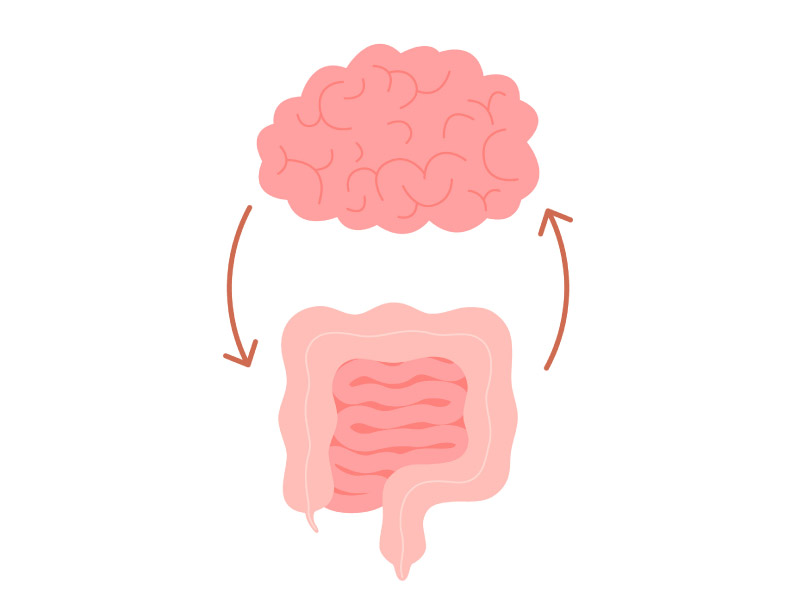
The gut-brain axis represents a sophisticated, two-way communication system involving neural, hormonal, and immune pathways. At the heart of this dialogue is the gut microbiome, the trillions of microorganisms that reside in our digestive tract. This internal ecosystem influences nutrient absorption, immune health, and even the production of neurotransmitters like serotonin, a chemical strongly tied to mood regulation. In fact, the majority of the body’s serotonin is produced in the gut, underscoring the biochemical link between digestive health and emotional well-being.

As we age, or when lifestyle and environmental stressors take a toll, this internal balance can be disrupted. Digestive issues like bloating, irregular bowel habits, and indigestion may be more than minor annoyances. They can signal deeper imbalances in the gut ecosystem, known as dysbiosis. Two conditions commonly linked to these symptoms are Small Intestinal Bacterial Overgrowth (SIBO) and Intestinal Candidiasis.

SIBO arises when excess bacteria grow in the small intestine, where bacterial counts are typically low. This overgrowth can interfere with digestion and nutrient absorption and may contribute to symptoms like bloating, fatigue, and cognitive fog. Similarly, intestinal candidiasis involves an overgrowth of Candida, a yeast that can flourish under certain conditions such as antibiotic use, high sugar intake, or chronic stress. Research suggests that byproducts from microbial overgrowth and inflammation may influence brain chemistry and mood.

From a naturopathic perspective, the goal is to restore balance to the digestive system in a sustainable, individualized way. Nutrition is central to this process. Dietary adjustments can help shift the internal environment, reducing the fuel for unhelpful microbes and supporting the growth of beneficial ones. This approach is not about rigid or permanent food restriction but about working with the body’s needs to create an environment where health can flourish.

Natural compounds and plant-based supports may also play a role in re-establishing harmony in the gut microbiome. Sometimes short term use of targeted pharmaceuticals is needed to restore balance in the small intestine. These medicines are chosen thoughtfully based on a person’s individual presentation, with the aim of improving digestive comfort and overall health.

Equally important is the role of the mind. Chronic stress can disrupt gut function and microbial balance, creating a feedback loop that affects both digestion and mood. Practices such as meditation, breathing techniques, or mindful movement can calm the nervous system and support a more resilient digestive system.

In essence, optimizing the gut-brain connection is about more than managing symptoms. It involves cultivating a healthy internal ecosystem that supports sharper memory, greater emotional stability, and a more vibrant experience of life as we age.