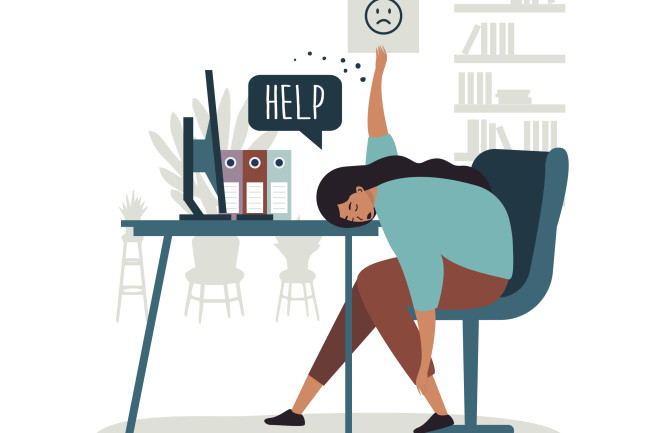
Cortisol Myths

As a naturopathic doctor, I often hear cortisol talked about like a comic book villain, always wreaking havoc and stealing our health. But cortisol is far more complex than that. It’s a vital hormone that helps us survive and adapt to challenges. The real issue lies not in cortisol itself, but in the common misconceptions that surround it. Here are five of the most persistent myths I hear in my practice.

The first myth: cortisol is simply bad. In truth, it’s essential for life, regulating blood sugar, pressure, inflammation, and energy. Problems arise when cortisol is chronically high or low, often due to long-term stress or health conditions. It’s often blamed for abdominal weight gain because cortisol receptors are dense in visceral fat, promoting midsection storage. This metabolically active fat can contribute to further imbalances. The issue isn’t cortisol, but what throws it out of balance, often a sign your body is constantly alarmed or struggling for equilibrium.

Another common myth: high cortisol always means you’re just too stressed. While emotional stress elevates cortisol, it’s not the only cause. Sleep deprivation, blood sugar instability, chronic infections, overtraining, and inflammation can all increase levels. I’ve seen patients doing everything right, eating well, exercising, meditating, still have elevated cortisol due to physical, not necessarily emotional, stress.

The third myth: low cortisol only occurs in serious diseases like Addison’s. While Addison’s is a rare autoimmune condition where adrenal glands stop producing cortisol, many experience functional low cortisol. This often develops after long periods of stress, when the body downregulates production to protect itself. People frequently wake up tired, feel flat in the afternoon, and get a second wind at night. Their quality of life suffers. Adaptogens like Rhodiola and Ginseng are helpful, regulating the stress response. Licorice root also supports cortisol by extending its availability. Naturopathic strategies also focus on optimizing sleep, gentle movement, and nutrient-dense dietary support to restore adrenal balance.


Another misconception: cortisol can be tested accurately at any time of day. In reality, cortisol follows a daily rhythm, highest in the morning and lowest at night. A single random blood test isn’t useful. Comprehensive testing, using saliva or urine samples taken at several points, reveals healthy, blunted, or reversed patterns, often aligning with how people feel and guiding treatment.


Lastly, there’s the belief that relaxing more is all you need to fix cortisol issues. While calming practices like meditation and deep breathing are valuable, they’re only part of the picture. Cortisol regulation also depends on sleep quality, stable blood sugar, digestive health, and inflammation control. Natural medicines can also jump start the healing process. A comprehensive approach works best for this complex hormone.

Cortisol is not the enemy. It’s a survival tool our bodies rely on, especially in times of change. By understanding how it truly works, we can better support our energy, focus, mood, and long-term health.

Dr. Deidre Macdonald is a naturopathic physician who has practiced in Courtenay since 1997. Contact at 250 897-0235 or via www.getwellhere.com

5 Key Supplements for High Stress

5 Key Natural Medicines to Help our Bodies Handle Stress

Temporary moments of stress are a normal part of life.  In fact, our bodies are well equipped as humans to respond appropriately to stressors around us.  It is when stressors are excessive or prolonged over time that we can start to feel the adverse impacts of stress. 

The impacts of stress can affect both of bodies and minds.  Those with mental health concerns may feel more on edge.  Burnout and our ability the perform cognitively can worsen.  Our sleep and energy can become impaired.  Weight gain can increase and inflammatory markers can rise.

Stress affects us all, young and old, whether we are students, families, or elders.  Life as a student can be a very exciting time, though not without challenges.  This is true for any student and especially those in demanding programs or during challenging exam periods. Isolation, loneliness, and anxiety are felt by many of us these days.  This may be particularly true for some of the more vulnerable folks around us, certainly as the pandemic continues to linger.  Many elders may feel particularly isolated, which can be a stressor.  Families may be feeling stress with balancing the demands of work, partners, and children, especially through changing times.

For many of us, here are some of the key considerations to help handle stress:

(As always, before using any herb or nutrient consult with a healthcare professional first).

  • Omega 3 Essential Fatty Acids: Essential fatty acids (EFAs) are those healthy fats that the body itself cannot produce so we get them from foods or supplements. What makes EFAs so important is their role in both brain and nervous system health. EFAs can be found in fish, chia seed, flaxseed, nuts and seeds, and algae, as well as supplements.
  • B-Complex (particularly B5): B-vitamins play a critical role in many bodily processes, including many energy pathways. B-vitamins also play a role in supporting our ability to deal with stress, particularly vitamin B5 which is thought of as the ‘anti-stress’ vitamin.
  • Vitamin C: This important vitamin is known for its role as an antioxidant. Many free radicals can be produced during times of stress and vitamin C can help to stop free radicals. Vitamin C is used by our bodies to a greater extent under stressful conditions.
  • Ashwaganda: This stress supportive herb is considered a calming adaptogen (calms us while helping us to adapt to stress). Herbs that are adaptogens help the body deal with stress by moderating our responses to stressors.  Ashwaganda also helps to support insomnia caused by stress and can be effective for reducing anxiety.
  • Bacopa: Bacopa is also an adaptogen. Specifically, it helps with short- and long-term memory, as well as assisting general cognitive abilities, such as focus and learning.

To get the most from our bodies and minds, and maintain good health during periods of stress, it is important to work in exercise, proper sleep, and a diet rich in whole foods.  Doing so can pay off not only in our health but in our mental performance.  As a naturopathic doctor, this is true in my own life, and I see the results in my patients.

Contact Dr. Peters for a free “meet the doctor” visit to see if naturopathic medicine is right for you.

References

  1. Haas, E. M., & Levin, B. (2006). Staying healthy with nutrition: The complete guide to diet and nutritional medicine. Berkeley: Celestial Arts.
  2. Hoffmann, D. (2003). Medical herbalism: The science and practice of herbal medicine. Rochester, VT: Healing Arts Press.
  3. Marciano, M., Dr. (n.d.). The Naturopathic Herbalist. Retrieved February 20, 2016

Finding Calm within the Storm

Life is full of twist and turns, good days and bad days, change and uncertainty. These are the things we cannot change. What we can change is how we deal with all the ups and downs of life. We can face our fears and work through them as best we can. We can call upon our highest thinking, and bring forth our deepest strength.  We can have hope that out of struggles, new and better ways of being will be discovered. As a naturopathic physician, I have studied psychology, various therapeutic modalities, attitudinal healing, a number of spiritual practices, and watched how thousands of my patients have risen to the challenges in their lives. From this experience, I offer you a seven step system for facing the difficult emotions of life. May it help you to navigate the storms of life to find a place of greater calm.

Step One: Pause and observe your mind and body. Just noticing your thoughts, feelings and body sensations in a curious way is the first step. Gently observe with non-judgmental inquiry. Just stopping, stepping back, and noticing that this train of thoughts and feelings is causing you stress allows you to separate from the process a little bit so you can look at it and question it. 

Step Two: Breathe. Bringing your mind’s focus to your breath helps to calm both the body and mind.  It’s amazing how just a few deep breaths can begin to shift fear, anger, anxiety and more. You may wish to try breathing in through the nose and out through the mouth, or even add a small sigh on the outbreath. Imagine the stress flowing out as your exhale. Feel your shoulders drop and feel your weight settle into your pelvis, legs and feet to help “ground” you. Apps like Insight Timer and Calm provide guided relaxation and breathing exercises to follow.

Step Three: Name the feeling. Often we get overwhelmed and just feel “stressed” in general. Here I invite you to be curious about what you are feeling in particular.  Is it grief, anxiety about the future, anger at someone, powerlessness, or fear of rejection? Try and mine down to what’s really going on and put a label to that particular pattern of body sensations, thoughts and feelings. Just naming and acknowledging the feeling is a step towards acceptance. And in the naming, we are again stepping back from the feeling to a place where we can work with it. 

Step Four: Self Compassion. Here is where we give ourselves the kindness and understanding that we often seek from outside ourselves. Dr. Kirsten Neff describes Self-Compassion Practice well in her TED talk, website and online guided exercises. You might say to yourself, “yes, of course you are feeling nervous about your health; how human is that? It’s so understandable.” Or you might say “how hard it is to feel so much uncertainty about the future or to adapt to so much change….” By leaning into the feelings instead of rejecting them, we are in a place to practice being with our feelings instead of wanting to escape, blame others, or act out in reflexive ways. 

When we are stressed and running on adrenalin, the survival part of the brain is activated and the frontal cortex, where more creative problem solving can be accessed, is shut down. We tend to react in patterns we developed as children: fight, flight, freeze or fawn.  The first four steps of this system are designed to calm the nervous system, balance the brain, and prepare us to move from reactivity to more helpful, resourceful ways of being.

Step Five: Question the thoughts that drive the feelings. Consider the possibility that behind every feeling is a thought. By identifying the thought, we can start to question it, and reframe it from a more adult, realistic, and resourceful mindset. Cognitive Behavioural Therapy (CBT) is the world’s most researched and successful therapy technique and it is a set of tools for dealing with life stresses in a better way. The website anxietycanada.com is an excellent way to learn about CBT and how it can help you deal better with day to day life. I love the list of questions under the section “Challenging Negative Thinking”, such as “Is this a hassle or a horror?”, “Am I confusing a possibility with a certainty?”, “Have I confused a thought with a fact?” and more.

Step Six: Affirm your strength.  A lot of anxiety is really a fear that you don’t have what it takes to deal with adversity: rejection, pain, death, humiliation, grief, change, etc. I invite you to think of examples of when you have been strong in the face of adversity before, and think of what you drew on in yourself. Or think of others who have found strength in times of trouble: people you know, your ancestors, or people around the world. By affirming your strength you can let go of trying to plan for every possible bad thing and how you would deal with it. You can simply trust that you will have the inner strength to face each challenge as it comes. You can focus more on the moment with self-talk like “Right here, right now, I am okay and I can deal with this moment”, “I am wise and strong”, “I am the source of the love and security I seek”. 

Step Seven: Let go and trust. It is often said that stress is the difference between expectations and reality. The outside world will always be full of challenges and changes. I humbly invite you to be open to the possibility that just maybe some meaning will come from these experience. Great growth rarely happens without great struggle.

These seven steps can be done in one minute or in a two-hour journaling session. They can be done alone or with a trusted person. You can reach out to me for a naturopathic consultation or to another counsellor. The more each of us can commit to staying grounded emotionally the more we can help uplift others. May you find your calm within the storm.

Dr. Deidre Macdonald is a naturopathic physician with a B.A. in psychology, who is offering in-person and telemedicine appointments. Extended health insurance applies, and discounts are available for those in need.