Quit Smoking with Ease – Laser Acupuncture

Frequently Asked Questions about our Laser Quit Smoking Program

Play Video

What is the secret to your success in helping people quit smoking?
If you have decided that it’s time to quit smoking, we can help. Our program is uniquely powerful in that it incorporates several proven interventions.  This program helps you to quit smoking and get through the initial nicotine detoxification phase and we also help you to resist the temptation to resume smoking in the future.

Step One.  “You gotta waaaaant it.”

We help you to cement your desire to quit.  We coach you to create a steadfast commitment to the process of becoming a non-smoker.

Step two.  “Just do it.”

Quitting cold turkey is the proven strategy recommended by best-selling author Alan Carr.  But we make it easy for you.  Nicotine withdrawal can be quick and painless with laser therapy.  Clinical studies show that laser acupuncture is a highly successful method for bypassing the cravings, mood swings, weight gain and nervous tension of quitting nicotine.  We also give you natural medicines that calm your nerves and detox your body.

 Step three.  “Meet your new best friend.”

Avoiding relapse requires two things:  help in overcoming the habit of smoking and help in dealing with stress so you don’t turn to cigarettes.  We address both these challenges by giving you strategies to break the habit and teaching you mindfulness and relaxation techniques.  We give you the support and tools you need to succeed.

Who are the practitioners I’ll be dealing with?

Dr. Deidre Macdonald is a licenced naturopathic physician who has a natural family practice in downtown Courtenay.  She has a degree in psychology from UBC (first in class) and completed her doctorate in 1996.

She is dedicated to helping people achieve optimum health and knows that quitting smoking is a critical step in that journey.

Beverly Bedard is an experienced laser quit smoking therapist. She is a certified laser technician as well as a former licensed massage therapist in Alberta.  She has helped hundreds of people quit smoking with laser therapy programs.  She shares her enthusiasm and confidence in this process and will be your main support with your transformation.

How does a laser therapy help people quit smoking?

The first hurdle in quitting smoking is to get through the nicotine withdrawal phase, which people often dread.  The laser treatments significantly reduce cravings and withdrawal symptoms, so people generally sail through this phase with greater ease and break their nicotine addiction.

How does it work?

We apply a painless beam of cold laser therapy to specific acupuncture points on the ears, face, hands and feet.  The deep stimulation provided by laser therapy activates these key points.  On a chemical level, cravings are a desire for endorphins and dopamine that used to be released by smoking.  Laser acupuncture lets the body release those chemicals naturally, eliminating the physical need to smoke immediately.  Endorphins are the body’s natural painkillers; they help keep the body calm, reduce irritability, help with sleep, and provide a general sense of wellbeing.  Dopamine is needed for a feeling of reward and satisfaction.  Both are provided by laser acupuncture.

How many treatments will I need?

For most people, one treatment is all that’s needed to quit smoking for life.  If you feel the need, we provide up to two free 30 minute “booster” treatments to make sure you stay on track. After that, you can book a booster session to help you relax as part of your maintenance program, but most people don’t need it unless their stress spikes.  We want you to become a life-long non-smoker.  We are here to help.

Does the laser treatment hurt?

Laser treatments are virtually painless.  It will feel relaxing.

What kind of laser it is?

We use a class 3B laser designed to stimulate and heal tissue.  These lasers are Health Canada approved.  In our clinic we have safely performed thousands of laser treatments since 2005.

 Will there be side effects from the treatment?

The laser treatment is very safe, but it’s important to know that there will be adjustments in the body when you quit smoking. It’s your body’s way of adjusting to the new you and any symptoms will pass.  You may have congestion or coughing as you detox from smoking, there may be some restless nights, but simply let us know and we’ll suggest natural medicines if you need any help.  For instance valerian is a good, safe herbal medicine proven to help with sleep.

When should I take my last cigarette?

3-5 hours before the treatment

What do I need to do to prepare for my laser quit smoking session?

  1. Remember, you will be quitting cold turkey. In the long run, it’s the easiest and most effective technique of smoking cessation.
  2. It’s time to get rid of your cigarettes once and for all. Do not carry cigarettes.  Remove all cigarettes, ashtrays and lighters from your home, car and workplace.  Clean any residue out your car.
  3. Tell your friends, family and co-workers you are quitting with laser therapy and you are not going back.
  4. Envision yourself free from cigarettes. Actually picture yourself walking away from your laser session feeling calm and at peace with your new life as a non-smoker. Picture yourself in one week, one month, one year, five years and ten years.  Let yourself FEEL the thrill of being free of cigarettes, healthier in mind and body than you are now.
  5. Give some serious thought to the questions:
    1. What are the compelling reasons I want to quit
    2. What is smoking costing me in terms of your health, self-esteem, relationships, limits on my activity, etc.
    3. Figure out the monetary cost of smoking, and how much you will save by quitting. Think about what you’d like to do with that money.

How can I assist in the detoxification process?

We will give you a month’s supply of effective natural medicines for detoxification, lung healing and nervous system relaxation.  This program will give you that fighting edge while you are getting through that critical first month off cigarettes.

How is your program better than nicotine patches or gum?

The bottom line is, you will eventually have to get off nicotine, whether from cigarettes, patches or gum, and there will be withdrawal symptoms.  Laser therapy gets you through the cravings, while nicotine replacement just postpones the inevitable.  Many people say they are afraid to quit smoking because they become cranky and miserable to be around.  Laser therapy deals with that by helping patients relax.  Others fear they’ll overeat when they quit smoking.  Our treatment protocol includes appetite suppression points to curb food cravings.  We also teach you the life-skills you’ll need to stay quit.

For laser quit smoking programs, it is best to be off all forms of nicotine in order to detoxify.  That said, if you wish to use the patch that is fine.

What about the prescription drugs that are marketed for people quitting smoking?

Those drugs are in the anti-depressant class.  They have side effects and once you decide to you want to get off them, there will be a new set of withdrawal symptoms to deal with.  Plus, the success rate is quite poor, because taking a pill doesn’t teach you how to deal with the habit of smoking or how to deal with stresses that have made you reach for the smokes in the past. Why use a limited treatment that has side effects?

Fees and Policies

What is the cost of the program?

The investment in this program is $350.  The fee includes a

  • 15 minute introductory consultation with Dr. Macdonald
  • one hour laser therapy and quit smoking educational session with Beverly
  • self-stimulating ear acupressure “seeds”
  • one month’s supply of detoxification and nerve calming natural medicines
  • relaxation CD
  • educational booklet
  • stress ball
  • 2 complimentary laser acupuncture booster sessions (30 minutes)


Is this your treatment covered by my extended medical?

If your plan covers naturopathic physicians, then you can submit your receipt for payment.  They will likely cover at least a portion of the fee.

 Can I claim my treatments on my income tax?

Yes, depending on your total family income and medical expenses, it may be tax deductible and lower your tax payable.

Is there a refund?

There are no refunds available.  One aspect of motivation may be the desire to make your investment pay off.  If you smoke a pack a day, you will pay off your treatment in only about five weeks of being a non-smoker!

Cancellation fee
Once you book your one hour laser treatment and consultation, we ask that you give us 48 hours notice if you need to change or cancel your appointment.  Less than that will result in a $50 fee.

Stroke Prevention

The Canadian Heart and Stroke Foundation has recently raised the alarm bell to warn that stroke is not only a significant problem for Canadians, but that many of us don’t know what to look for in order to detect a stroke, and seek crucial early treatment. You’ve likely seen their ad campaign, reminding Canadians of the signs of stroke: sudden numbness or paralysis of the face, arm, or leg, slurred speech, confusion, blurred vision, trouble walking and dizziness.


As a naturopathic physician, I feel it is also important to educate the public about what can be done to prevent strokes. Strokes are typically a symptom of underlying cardiovascular disease. The main way to prevent cardiovascular disease is to live a lifestyle that promotes cardiovascular health. It is important to understand your risk factors and take steps to reduce them. A patient that I’ve worked with over the last year illustrates that journey.


Brent was a 54-year-old man who came to see me after his brother had a debilitating stroke at 57. As a father of three teens, Brent didn’t want that fate for himself and his family. He came to me for an assessment and to get help changing the course of his health for the better. I found out that he had smoked for 30 years and his waist circumference was 44” – well above the recommended 40” for men. His LDL cholesterol was elevated, as were his triglycerides, and his blood sugar was borderline diabetic. I ran an insulin test and found this to be very high, indicating insulin resistance. His blood pressure was above normal, at 147/90. Running his own business, he carried a significant stress load, which was taking its toll on his health.

I explained to him that he had multiple risk factors for cardiovascular disease that leave him at higher risk for stroke or heart attack than the average man his age. Genetics may be one risk factor, but the study of epigenetics has proven that our lifestyle affects our gene expression. So even when there is a family history of a disease, lifestyle can determine whether an individual gets that disease. We tested him for a genetic risk for cardiovascular disease, called methylation defects. About 15% of the population has a mutation of the gene necessary for methylation, a critical chemical process in the body. Without adequate methylation, homocysteine can build up in the bloodstream, causing accelerated atherosclerosis. A specific set of nutrients can help solve this problem, which it turned out he needed.

Next, I set out to help Brent quit smoking. Through a combination of herbal medicines to reduce cravings, stress-management and behavioral modification, Brent has been cigarette-free for almost a year now. It was important that he not gain weight after quitting smoking, so I coached him on a heart-healthy weight loss nutrition plan that has resulted in a 35 pound weight loss. Exercise was new territory for Brent, but he made it a family affair by getting out mountain-biking with his teenagers. He’s even keeping up with the youngest one now! As part of a stress management plan, he’s started a “gratitude check-in” at dinner with his family, where each person shares something they are grateful for from that day. This practice has been uplifting for Brent and his family.

After a year of coaching and treatment, Brent’s blood sugar and insulin levels were back to normal. His cholesterol levels were lower, but not low enough. He had tried Statin drugs for cholesterol in the past, but suffered leg pain as a result. I recommended natural medicines that further lowered his cholesterol while also being easier for his body to tolerate. I also recommended fish oil, Coenzyme Q10 and other natural medicines to prevent damage to his cardiovascular system from inflammation, oxidative stress and mitochondrial issues.
Brent looks and feels like a new man. His children will likely have their Dad around for many years to come. Stroke awareness is important, but prevention is critical. We can all benefit from living a stroke prevention lifestyle.

Gas is No Laughing Matter

While twelve-year-old boys may revel in the sound of their own gas, those plagued by excess gas will find that it is nothing to laugh about.  Excessive burping, bloating and flatulence bring distress and discomfort to more people than would like to admit it.  Despite the significant problem gas can cause, patients are often told something to the effect of, “Well, you have Irritable Bowel Syndrome, and you’re just going to have to live with it.”  I prefer to find and treat the underlying issues which cause gastrointestinal unrest.

Digestive dysfunction on a number of levels can contribute to excess gas.  Some people lack adequate stomach acid, or take acid-blocking medication for acid reflux.  Indigestion and gas problems can occur due to improper break down of food.  Further down, inadequate flow of digestive enzymes or bile can cause food to sit and ferment into gasses.  Constipation, diabetes, parasites, helicobactor pylori, multiple sclerosis and other medical conditions can cause excess gas.

Gas results from the production of gas by intestinal bacteria when they digest sugars and other carbohydrates.  Imbalances in the bacterial lining of the intestines, called the microbiome, can be a significant source of gas and bloating, as well as Irritable Bowel Syndrome.  Immune issues, poor diet, c-sections, antibiotics and acid-blocking drugs can alter the microbiome .  In Small Intestine Bacterial Overgrowth, also known as SIBO, excess gas is a key symptom. Also, a common yeast called Candida albicans can proliferate  to a level that can cause excess fermentation, leading to gas and other symptoms.

Some people’s gas is attributable to food allergies which can be determined with the help of a naturopathic physician.  Celiac disease, or intolerance to lactose, fructose or artificial sweeteners can each result in gas and bloating.  It also probably comes as no surprise that beer and other carbonated beverages have the same affect. Lastly, as any vegetarian knows, beans can cause gas, along with the cabbage family vegetables.

In short, don’t let gas get you down.  It is often a symptom of an underlying disorder which can often respond well to proper treatment.  Anyone who says otherwise, quite frankly, is full of hot air. 

Mitochondrial Function Key to Health

Have you ever wondered why the body ages or why you seem to have less energy as you age? It turns out the answer lies deep within the cells in a tiny organelle called the mitochondria. They are the energy producers of the body. They turn our food into the fundamental fuel that drives cellular activity. It is in the mitochondria that carbohydrates, protein, and fat are metabolized, producing cellular energy called ATP. The ATP provide the energy to allow cells to do what they do; it keeps the brain working, fires muscles, repairs tissues, and more.


The more energy a certain tissue requires, the more mitochondria those cells contain. The brain and heart have the highest concentration of mitochondria because they require large amounts of oxygen and energy. The heart muscle is packed with mitochondria. Any dysfunction on the level of the mitochondria has a significant impact on the functioning of these organs especially.
As we age, our mitochondria produce about 40% less ATP and therefore our organs feel the effects of decreased energy production. Mitochondria get damaged over time. The rate of their decline can be influenced by a number of lifestyle factors.


Malfunctioning at the level of the mitochondria has now been shown to be at the heart of a host of degenerative diseases, including diabetes, hypertension, and heart disease; neurodegenerative diseases such as Alzheimer’s disease, Parkinson’s disease, ALS, as well as cancer. Mitochondria dysfunction has also been shown to be related to chronic fatigue syndrome and has implications for affecting athletic performance. Interventions to stabilize mitochondrial function and enhance ATP production will be the new medicine of the future.


The formation of ATP is dependent upon proper intake of vitamins, minerals, omega-3 fatty acids and plant based nutrients. Deficiencies of these nutrients can alter mitochondrial function. Antioxidants like Vitamins C, E and A protect the mitochondria. Other nutrients like resveratrol from grape skins, green tea EGCG and curcumin from tumeric also have strong protective effects.
Exercise protects the mitochondria as well. A well-trained athlete has more than twice the muscle mitochondria than a sedentary person. Exercise stimulates the production of more mitochondria in the cells thus providing an anti-aging effect, especially where we need it most: the brain and heart.


However, those protective mechanisms can be overwhelmed by additional sources of bodily stress, leaving the mitochondria susceptible to damage. A diet high in processed food and high in fat as well as excess alcohol can all damage the mitochondria. Exposure to chemicals, heavy metals, and some pharmaceuticals, like statin drugs for cholesterol, can damage mitochondria.
The heart has to produce 13 to 35 pounds of ATP per day to sustain its approximately 86,000 daily beats. There has been extensive research to find ways to enhance mitochondrial function to maintain the ATP critical to heart function. In addition to exercise and high plant-based diets, natural medicines have been shown to help. CoEnzyme Q10 is a nutrient that fuels the pathway that makes ATP. In 2013, the European Society of Cardiology stated that it is the first “drug” to significantly improve heart failure in over a decade. This statement was based on research showing that there were very significant reductions in mortality in people with advanced heart failure who took CoEnzyme Q10. Magnesium and l-carnitine have also been shown to reduce death after heart attacks and more. In a recent Mayo Clinic review, acute heart patients who took L-Carnitine had a 27% reduction in all-cause mortality, a 65% reduction in arrhythmias, and a 40% reduction in angina symptoms.


Naturopathic physicians seek to understand the underlying cause of disease and use treatments that target those mechanisms. In the case of neurological disease, cancer, heart disease and more, interventions that repair mitochondrial function can help give the body the fuel it needs to promote healthy tissue function. There is so much more to health than managing symptoms with drugs. Take charge of your health with a great lifestyle and natural medicines.

Eight Important Lab Tests You Should Know About

Many of us go to the doctor and just get the basic blood work they recommend.  We may or may not hear back from the doctor regarding the results.  I recommend that patients take a more active role in their health by learning about blood tests and getting copies of their results.  (Locally, Lifelabs offers patients online access to most blood work.)  It is helpful to understand which tests to request from your conventional or naturopathic physician and optimal levels you should be aiming for.

Thyroid:  For patients dealing with fatigue or depression, I often recommend a full thyroid panel.  The thyroid governs metabolism, affecting energy and weight loss. Typically just a TSH test is run, but sometimes imbalances in the thyroid can be picked up by testing free T4, free T3 and thyroid antibodies.  If the thyroid hormones levels are borderline, I recommend supporting the thyroid non-pharmaceutically.

Ferritin:  Another important test for fatigue and depression is ferritin.  This test measures iron stores.  Lack of iron can cause anemia, which can cause fatigue.  It can also lower dopamine levels in the brain, which affects mood, motivation and food cravings.  Too much ferritin can be a sign of excess iron storage which can damage the cardiovascular system and many organs.

Insulin:  For patients with weight issues, dementia and some hormonal imbalances, checking fasting insulin is an excellent tool to understanding how the body is dealing with blood sugar.  Adult onset diabetes is characterized by insulin resistance at the cellular level.  Therefore, it takes a lot of insulin to help carry sugars from the blood to the cells.  Even before elevated blood sugar is detected, this high insulin can be a sign of insulin resistance.  High insulin levels promote fat storage and are hard on the circulation.  Programs that reverse insulin resistance can accelerate the process of weight loss, protect the cardiovascular system and more.

Homocysteine:  Patients who have a personal or family history of cardiovascular disease or dementia  / Alzheimer’s are wise to have their homocysteine levels checked.  This amino acid, if elevated, is a risk for increased strokes and Alzheimer’s. The “normal” range is stated as being under 11 umol/L, but studies show that the risk of Alzheimer’s is increased in people whose homocysteine is over 7 umol/L.

Vitamin D3:  The rate of vitamin D3 deficiency in Canada is staggering. Gerry Schwalfenberg, an assistant clinical professor in the department of family medicine at the University of Alberta, said testing showing that “the fact that 60 to 70 per cent [of Canadians] have inadequate levels [is] not good,” given that vitamin D insufficiency is being linked to so many chronic diseases.  Vitamin D is an important preventer of autoimmune disease, viral illness, cancer, heart disease, diabetes, osteoporosis, MS and more.  Having your levels checked is therefore wise.  The optimal level of vitamin D is over 125 nanomoles/litre.

C Reactive Protein (CRP):  Inflammation is an important risk factor for cardiovascular events, like strokes and heart attacks, and it creates an environment that supports cancer growth.  It is a symptom of autoimmune disease, obesity, diabetes and other important health conditions.  The C Reactive Protein in our blood is a reflection of general inflammation levels.  While the normal range is under 5.0, the optimal range is under .8 for men and under 1.5 for women.  Breast cancer survivors are wise to monitor CRP since elevations are associated with higher reoccurrence rates.

Vitamin B12:  The levels of this important nutrient can diminish with age as absorption becomes more difficult.  Vitamin B12 can be depleted by many medications, such as metformin (diabetes), birth control pills, and antibiotics.  I am most concerned about acid blocking medications that many of my patients use for long term management of acid reflux.  I much prefer to treat the cause of this problem than to manage it with a medication that impairs the digestion and absorption of a number of important nutrients.  Acid blockers also can set up a more alkaline pH that promotes the growth of a weakened, dysfunctional set of intestinal bacteria.

Small Intestinal Bacterial Overgrowth Testing (SIBO):  SIBO is a condition in which the wrong bacteria are growing in the small intestine, creating abnormal fermentation of carbohydrates into methane and hydrogen.  SIBO patients suffer from gas, bloating, digestive concerns and many other health conditions.  When indicated, I test patients through a university laboratory in PortlandOregon.
Be proactive with your health care by getting the blood work you need to understand your health and take steps to prevent illness.

Dr. Deidre Macdonald is a naturopathic physician who has practiced medicine in downtown Courtenay for 17 years. For more information, contact The Macdonald Centre for Natural Medicine at 250 897-0235 or via www.getwellhere.com

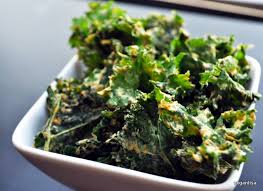
Recipe: Nacho Kale Chips

Kale is my favorite super-food. Here’s a recipe for the ultra-trendy Nacho Kale Chips that make eating kale easy and fun.
kale chips
Ingredients:

1 cup raw cashes or almonds, soak for a few hours ideally

1/3 cup nutritional yeast

1/4 cup lemon juice (about 1 large lemon)

1 tsp. salt

1 tsp. cumin

1 tsp. chili powder

1 tsp. garlic powder (I use a whole clove and it’s great)

Directions:

1. Remove the hard stalks from the kale. Try to keep the leaves as large as possible – it makes turning the Kale easier during cooking.

2. Add remaining ingredients to blender an process until smooth. You’ll need to add water or olive oil to make a thick sauce that you can pour on the kale.

3. Pour sauce over kale and massage into the leaves until evenly coated. I hold back and use about 3/4 of the recipe and save the rest for a yummy veggie dip sauce.

4. Lay out on cookie sheets and bake at 250F for 12 minutes, turn and again for 12-20 minutes. Watch it and remove the leaves that are very crisp before any browning occurs.

5. You can also use a dehydrator on low for about 10 hours. Place on parchment paper.

Do you need some lifestyle coaching? You can book an appointment by emailing or calling (250) 897-0235.

Help with Cravings and Stubborn Weight

We all have trillions of bacteria, yeasts and fungi in our bodies, particularly in our intestines.  The mix of these microbes makes up our microbiome.  New research shows that this microbiome may have more to do with your weight than what you eat.  Farmers around the world have long known that feeding antibiotics to chicken and cows fattens them up.  Human trials have shown the same thing and scientists now have the research to find out why. Antibiotics, as well as certain dietary choices, change the bacterial lining of the intestines.  Those changes allow more calories to be extracted from food.  They also increase cravings and appetite by changing hormones.  This research gives hope to those who wish to bolster their ability to lose weight.  You can change your intestinal microbiome and therefore help your body lose weight.


We now know that our intestinal microbiome affects many important processes, such as digestion, destruction of parasites, mood and brain function, immune system regulation, and prevention of autoimmune diseases.  Naturopathic physicians have been working for decades to educate patients about the importance of the microbiome and now scientists around the world are using new technology to understand the microbiome and learn how to foster and protect it.


Why is it that some people seem to put on weight while others lose weight easily?  The answer may be that those who lack good bacteria in the intestines seem to extract more calories from food.  Recent research shows that thin mice who receive a microbiome transfer from obese mice, gain weight, despite being on a calorie controlled diet.  It appears that the microbiome of the obese mice has an increased capacity to harvest energy from the diet.


Another factor in weight gain is the appetite stimulating hormone ghrelin. A healthy microbiome regulates appetite by reducing this hormone.  But using antibiotics that alter the microbiome increases ghrelin and is associated with weight gain.


So how do we encourage the growth of an abundant and diverse microbiome?  We need to begin at birth.  Babies in the womb are “sterile”.  The birth canal provides the baby’s first inoculation with the bacteria he or she will need to digest breast milk. Babies born by c-section, who miss out on that bacteria, may be more prone to weight problems as they age.  C-sections are a welcome lifesaver at times but I recommend all my c-section babies be given appropriate probiotic supplements (intestinal microbiome powder) as soon as possible after birth.


Humans given antibiotics are more prone to weight gain, just like chickens.  Of course antibiotics are another modern medical necessity in some cases.  The benefit of antibiotics is generally perceived to be much greater than it actually is for common infections.  There are natural medicines that can strengthen the immune system and fight infection without damaging the microbiome.  So try to avoid antibiotics and take probiotics if you can’t avoid them.


The foods we eat also cause our microbiome to adapt and change.  High refined sugar diets promote the growth of bacteria that influence ghrelin, the appetite-stimulating hormone.  Healthier diets help the healthier bacterial to grow.  Cats fed higher carbohydrate diets had kittens which ate more and became fatter.  (Since we are finding now that mothers can pass on their microbiome to their children, women are well advised to work on enhancing their microbiome even prior to conception.)  A whole food diet that is low in both refined carbohydrates and animal fat promotes the healthiest microbiome thus helping to regulate appetite.


I have found that many patients who had difficulty losing weight have an altered microbiome.  They often have related symptoms such as digestive issues, allergies, or depression. There are simple tests that can help determine the state of the microbiome.  If needed, I coach patients on how to use low carb nutrition and helpful supplements to re-establish the healthy microbiome.  When the microbiome comes into balance, cravings are lessened and weight loss is much more easily attained.

Asthma in Children, Let's Treat the Cause!

Asthma takes away the freedom to enjoy a deep breath.  That is something no child should have to experience.  Seeing your child struggle to breathe is a heart-breaking experience for parents.

Asthma is caused by swelling in the airways. When an asthma attack occurs, the muscles around the airways become tight and the lining of the air passages swells. This reduces the amount of air that can pass by.

The main goal of naturopathic treatment of asthma is to treat the underlying cause of the problem.  A child with asthma has an immune system that is hyper reactive.  On a biochemical level, the immune system is releasing histamine and inflammatory chemicals in response to normally benign situations / triggers.  Therefore, naturopathic physicians endeavor to promote the regulation of the immune system.

First, let’s explore the role of the immune system in asthma.  White blood cells play a role in the genesis of asthma and allergies.  One type of white blood cell, the type 2 T helper cells (Th2) play a triggering role in the activation of allergies and inflammation.  They trigger the formation of IgE antibody which cause allergies, plus they tell mast cells to release histamine.  The combination results in the allergic inflammation that drives most cases of childhood asthma.

Genetics play a role in who gets hyper-active Th2 cells, but evidence shows that the part of the immune system that lives in the lining of the intestines plays a role in activating the Th2 allergy producing cells.  Eighty percent of the immune system hangs out in the intestines, assessing what you’ve taken into the body.  It is here that all incoming material is marked friend or foe.  This labeling process can become deranged if there is too much stress or inflammation in the intestines. The intestines can be inflamed by improper diet, food allergies, and toxins.  One of the key triggers of a disordered immune response is an imbalance in the intestinal bacterial called the intestinal microbiome.  The intestinal microbiome is such an important determinant of immune function that it is the number one area of research in all of medicine today.  Imbalances in the microbiome can be caused by antibiotics use, high sugar and carbohydrate diets,  and c-section births.  Good bacteria in the intestines normally teach the immune system how to self-regulate.  Without that function, the local immunity gets fired off randomly and allergies are triggered.  Studies show that probiotics (good gut bacteria) enhance gut maturation in infants, and decrease the risk of atopic disease:  asthma, allergies, and hay fever.  Therefore, the naturopathic approach to asthma starts with a program to reduce the immune reactivity in the digestive system by reducing stresses on the intestines, such as food allergies and enhancing the intestinal microbiome.

There are nutrients that can also help stabilize the immune system. Specifically, they can help prevent the mast cells from releasing histamine and prevent the inflammatory reactions that follow.  For instance, vitamin D is typically low in asthmatic children.  In Canada, most children become deficient in Vitamin D in the winter.  I advise supplementing vitamin D to all my patients in the Comox Valley.  There are potent herbal antihistamines that are both safe and effective.  Fish oil and other herbs like curcumin have anti-inflammatory effects as well as many side benefits.  Certain mushrooms have been found to help calm down the hyperactive immune system by the regulating the overactive Th2 system in allergic children.  Homeopathic medicine can be very helpful for children.  An individualized homeopathic prescription by a naturopathic physician or homeopathic practitioner can help to strengthen the constitution of the child and reduce asthma symptoms.

If we determine that there are specific airborne allergens that are dominant triggers (such as dust, pollen, grass, cats) then we can start a process of allergy desensitization called sublingual immunotherapy (SLIT).  This safe, non-injection, mercury free allergy desensitization technique has been shown to reduce allergies in 85% of people.

There are pros and cons to using conventional asthma medications.  Asthma symptoms are caused by bronchospasm and by inflammation of the airways.  The salbutamol or Ventolin (“the blue one”) works on the bronchospasm, while fluticasone or Flovent (“the orange one”) is an inhaled corticosteroid (ICS) that works on the inflammation in the airway.  Puffers can certainly help manage asthma symptoms and buy some time while we are working to solve the problem in a more long term manner.

Many children can overcome asthma if we treat them from the inside out and strengthen their immune system with a comprehensive naturopathic medical approach. The naturopathic approach to asthma is to firstly determine what allergic and other triggers are driving flare ups of asthma.  Secondly, we work on reducing exposure to those triggers and use natural medicines to reduce the allergic and inflammatory reactions.  Thirdly, we need to endeavor to balance the immune system by working with the deeper systems of the body to treat the underlying causes of the immune hyper-reactivity. 

For more information or to book an appointment with Dr. Macdonald, please contact her office at 250 897-0235 or via www.getwellhere.com

Blood Pressure Pills May Increase Breast Cancer Risk – Natural Alternatives

Older women who take certain types of medication to combat high blood pressure may be putting themselves at greater risk for developing breast cancer, according to a new study. This August, the prestigious medical journal JAMA reported that women who had used calcium channel blockers for 10 or more years had a higher risk of breast cancer. The study is the first to observe that long-term use of this class of blood pressure drugs, which include Amlodipine (Norvasc), Felodipine (Plendil), and Nifedipine (Adalat), are associated with a higher risk of breast cancer.

It has long been established that significantly elevated levels of blood pressure increase the risk of stroke and heart attack. But what is the most effective way of lowering not only blood pressure, but cardiovascular risk? Recently, a patient came into my office asking just that question.

Georgia, 67, had been diagnosed with high blood pressure by her MD and had started amlodipine a year ago. Her blood pressure was still not optimal and she was looking at having to take a second medication. She also has a history of breast cancer which was treated two years prior. The blood pressure drug she was on is part of a class of drugs called calcium channel blockers. These drugs lower blood pressure by dilating the blood vessels. They interfere with the normal flow of calcium into the muscles of the blood vessels, which reduces the firing of those muscles. Unfortunately, this same mechanism may give cancer cells an advantage.

 I counselled her and explained that there are other classes of pharmaceutical drugs that are not associated with increased cancer risk. Beta blockers, ACE inhibitors, and diuretics have not been associated with cancer risk. Calcium channel blockers have a unique effect on cancer cells. There is a growing understanding that one of the culprits in cancerous processes is disruption of the calcium ion channel in cells throughout the body. Cancer prevention depends on proper functioning of the calcium channel. I recommended that she switch to an ACE inhibitor for now and that we engage a thorough program of cardiovascular health promotion to lower her blood pressure, and her cardiovascular risk in a real and lasting way.

Nutritionally, I recommend a diet that is low in both refined carbohydrates and animal fat. Refined carbohydrates, like sugar, bread, pasta etc., increase inflammation in the blood vessels and drive up blood sugar, both of which harm blood vessels. Consuming high amounts of saturated animal fat, such as butter, full fat dairy, red meat, prawns, chicken with skin, etc., increases inflammation in the blood vessels and causes arteries to harden, which is a driving factor in most cases of high blood pressure. High antioxidant foods, like fruits and vegetables, help protect arteries.

Exercise has been shown in countless studies to lower blood pressure. Georgia had not been exercising, and over 6 months of coaching she worked up to the recommended 175 minutes of cardiovascular exercise per week (that’s about four 45 minute sessions per week). She incorporated interval training into her work outs – alternating her intensity from mild to intense throughout the workout.

I recommended that she supplement her diet with some of the top natural medicines for blood pressure. Magnesium has been shown in a large meta-analysis to decrease blood pressure. Fish oil, along with a long list of cardio-protective effects, also has a mild positive effect on blood pressure. I recommend all my heart patients take a good B complex to lower homocysteine, co-enzyme Q10 to strengthen the heart, and Hawthorne extract to protect the heart and lower blood pressure.

Georgia’s blood pressure came down significantly during the six months of intensive coaching. She felt she was ready to try going off her medication. I recommended she consider a strong, prescription herbal medication called Rauwolfia serpentine to continue to lower her blood pressure. With the help of this safe and effective medicine, and her heart healthy lifestyle, she was able to maintain her blood pressure at an average of 125 / 83, and know that she is also on a program that supports an anti-cancer lifestyle.

For more information about naturopathic cardiovascular interventions, contact Dr. Deidre Macdonald, ND at her clinic in downtown Courtenay at (250) 897-0235 or via www.getwellhere.com.

Vitamin D Deficiency is Rampant in Canada

The list of conditions that are helped by ensuring adequate Vitamin D levels is growing.  New research shows that lowered Vitamin D levels can drive blood sugars up to dangerous diabetic levels.  The adult type of diabetes is caused by insulin resistance, and low Vitamin D has been shown to inhibit the functioning of the insulin receptors, thus allowing blood sugar to circulate in the blood and damage tissues.


Vitamin D deficiency has also been linked with a 30% increase in uterine fibroid tumours.  Fibroids commonly affect women in their 30’s and 40’s in this part of the world.  Vitamin D has long been known to also affect bone health, immune strength and to prevent some cancers.


So do you have enough?  In the US, 50% of the population is considered deficient.  In Canada the numbers are much higher.  Our Northern latitude prevents the sun from being strong enough to stimulate Vitamin D synthesis for most of the year.  During the couple of months that we do get strong sunlight, most of us diligently use sunscreen.  So the rates of Vitamin D deficiency are on the rise.  If you are curious about your levels of Vitamin D, Dr. Macdonald can order a blood test to determine if you are in the safe range after a summer of exposure.  If you are not high enough now, for sure you’ll be deficient in a couple of months when the warm days of summer are a distant memory.   The optimal form of supplemental vitamin D is in liquid form.  Taking 1,000 to 2,000 IU’s a day is usually enough to prevent deficiency, unless you are dark skinned, in which case you would need more.  Vitamin D is inexpensive and quite safe to take.