
Breakthroughs in Irritable Bowel Syndrome

IBS pictureIrritable Bowel Syndrome or IBS as it’s commonly called, may not be the most exciting topic to read about. But for the 5 million Canadians who suffer from it, learning about breakthroughs in treatment is definitely news worth reading. Medical research has made the connection now between IBS and the microbiome, the immune system and the nervous system. While stress and food intake may confound an IBS problem, breakthroughs in our understanding of the microbes in our intestines are helping to solve the deeper issues that can drive this health condition.

IBS symptoms can include bloating, excess gas and burping, some degree of constipation, diarrhea or both, and often an element of abdominal pain or discomfort. As a naturopathic physician, I regularly treat patients who have been told they have IBS, and that there’s not much they can do about it. The fact is, there are potential solutions to these issues. My first step is to explain that IBS is a diagnosis of exclusion, meaning we must rule out overt infection, cancer, inflammatory bowel disease, reproductive issues and more. Once we’ve done that, we can take steps to find out what is causing that person’s IBS.

Some of my patients respond well to avoiding certain foods, so we usually work to identify food triggers. Some MDs are sharing the research out of Monash University about the FODMAP diet which are foods known to cause IBS symptoms in some people. These foods can provide the fuel to our intestinal bacteria to make gas. But people with a healthy gut can handle those foods just fine, and many FODMAP foods are healthy foods, like broccoli, apples and garlic. If someone feels better on a FODMAP elimination diet, I see that not as a solution, but as a clue that their intestinal microbiome needs work.

By far the most common cause of IBS in my experience is an imbalance in the bacterial lining of the intestines called the microbiome. The large intestine is supposed to have a lot of bacteria and it is normal to ferment the leftover foods there. But the 12 feet of the small intestine are supposed to be relatively bacteria-free. Even if bacteria that is normal to have in the large intestine ends up growing in the small intestine, these bacteria will ferment the normal healthy foods we eat and create gas, intestinal irritation and nutritional issues.

What can cause bacterial overgrowth in the small intestine? There are many factors, but the most common one is a history of gastrointestinal infection. Even a case of traveller’s diarrhea, food poisoning, or viral gastroenteritis that resolves nicely can trigger an autoimmune reaction in about 20% of people. That autoimmune reaction can attack the nerves that stimulate the muscles that cause the sweeping motion inside the small intestine that moves food along between meals. Without this motion, food pools in the small intestine, bacteria can migrate upward from the large intestine, a ‘compost’ is formed, and excess bacteria blooms. Studies of military personal showed that prior gastrointestinal infection was a much stronger predictor of who would get IBS than stress level. Other studies have shown that GI infections can lead to motility disorders in the esophagus and intestines.

Brain injuries are also a potential cause of Small Intestine Bacterial Overgrowth (SIBO). The brain orchestrates the motility of the small intestine, so a brain injury can hamper its ability to coordinate the flushing of the small intestine, allowing a bacterial overgrowth to ensue. Autoimmune disease can also be connected, as well as abdominal surgeries, long term diabetes and more.

Fortunately, there is a specialized test for SIBO that can be ordered through naturopathic physicians. The gold standard test is a series of breath tests that looks for hydrogen and methane gases that have formed in the gut, been absorbed into the blood and are then breathed out. If a test comes back positive, I coach my patients on a four-step program. The first step is to prepare the intestine by opening up the biofilm that the bacteria hide out in. Then we use prescription or herbal antibacterial agents that exclusively target the bacteria in the small intestine. When that phase is complete, patients’ IBS symptoms are significantly better and we work on addressing the underlying cause, which is the motility disorder in the small intestine. There are prescription and herbal “pro-kinetic” agents that rehabilitate the muscles of the inner small intestine so the problem will stay away for good. In addition, we work to heal the intestinal lining to make it more resilient using natural medicines and SIBO specific probiotics.

People who live with IBS deserve to understand why they have these symptoms and what they can do about it. The goal is to repair the gut once and for all, not just manage symptoms. When we understand and treat the underlying issues, lasting resolution is possible.

Dr. Deidre Macdonald is a naturopathic physician practicing in downtown Courtenay. 250 897-0235 www.getwellhere.com

Gastrointestinal Testing: Take the Guesswork out of Gut Troubles

Many people have digestive systems that give them grief. Whether it’s indigestion, ulcers, acid reflux, bloating, gas, constipation, diarrhea, liver problems, IBS, colitis, Crohn’s, diverticulitis or colon cancer, digestive upset is one of the most common reasons that patients come to see me in my naturopathic medical clinic. Naturopathic physicians have many tools for helping people address digestive issues, such as nutritional advice, natural medicines and occasionally prescription medications. Prescription medications are limited in this arena, often just managing symptoms without dealing with the cause, and creating more problems the longer they are used.

In this article I’d like to explain how naturopathic doctors use testing to to help take the guesswork out of treating digestive issues.


Lactose intolerance testing: This breath test helps us determine if it is an inability to digest lactose, the sugar in milk products, that is causing gas, bloating, and/or cramps and diarrhea after eating some dairy products.

Helicobacter pylori testing: This breath test detects the presence of the H. pylori bacteria, which can create ulcers.

Celiac screening: This blood test looks for an antibody called Anti-Tissue Transglutaminase, which is a marker of Celiac disease, an autoimmune reaction to gluten containing grains. Symptoms can include digestive distress, or can manifest as headaches, fatigue, anemia, autoimmune, and psychiatric or neurological conditions.

Bacterial and parasitic infections: Infections such as food poisoning or traveller’s diarrhea can be detected with a stool test.
Colon cancer screening: The FIT test can detect blood in the stool. Everyone should have this test done at least once every two years. Blood tests for anemia can also pick up blood loss, which may trigger an investigation of colon cancer.

Fecal calprotectin: I really like this test as it helps me get an idea of how much inflammation is in my patient’s colon. It helps differentiate Inflammatory Bowel Disease (IBD) from Irritable Bowel Syndrome

All of the above tests can be run by an MD as well as an ND. Naturopathic physicians dig deep into the cause of digestive problems and sometimes need other, more subtle tests.

Food allergy/sensitivity testing: Food allergies can create a lot of grief in the gut. From inflammation to gas, bloating and diarrhea, I’ve seen hundreds of patient respond beautifully to a program of food elimination. There is no perfect test, but there are tests that can give us a starting point for an elimination / challenge process.

Intestinal permeability tests: If the intestines are too permeable, that “leaky gut” can allow toxins and large proteins into the blood and brain. Many inflammatory and immune conditions have been linked in scientific research to “leaky gut”.

GI Effects Comprehensive Stool Profile: This stool test gives us a lot of information about the ability of the digestive system to break down different types of food, the status of the microbiome (bacterial lining), and inflammation or infection in the bowel.

Small intestine bacterial overgrowth test: This breath helps us see if excess gas, bloating, bowel issues and more are due to the wrong bacteria being in the small intestine. Treatments can be targeted to regain balance and restore proper function.

With the right tests, combined with a thorough discussion of the symptoms and history, plus a good abdominal exam, we can often get to the root of the problem and start to design a plan for getting relief.

Understanding Food Allergies and Sensitivities
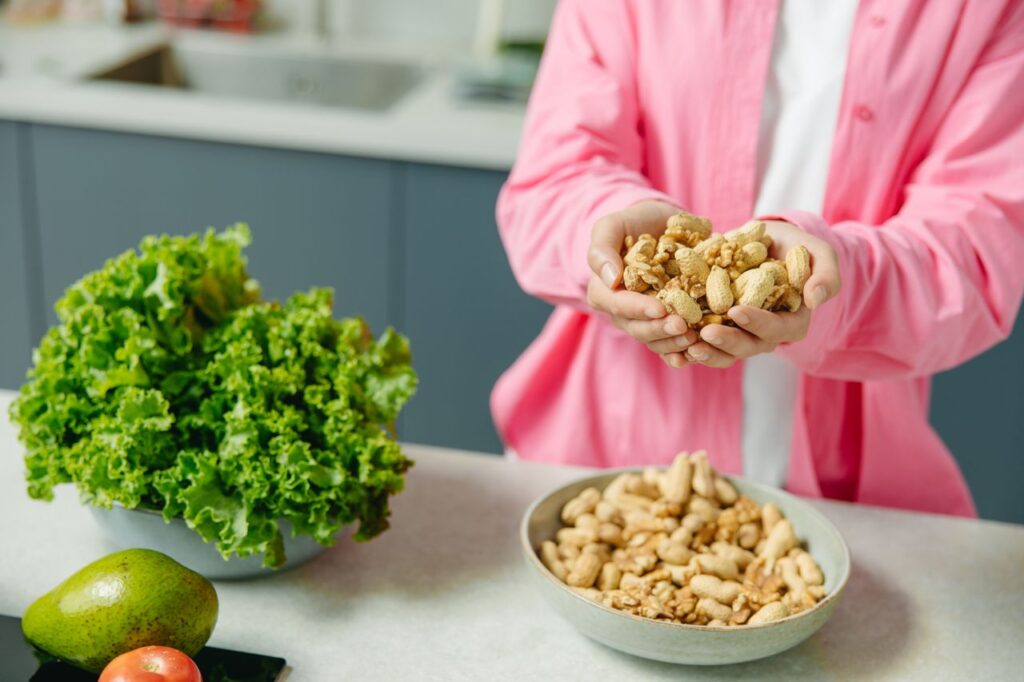
Have you noticed that more and more people are avoiding certain foods for health reasons?  It turns out that food allergies and intolerances are more common than we once thought. Identifying and eliminating food allergies can solve a broad range of health problems.  I have had hundreds of patients find that once they learn to eat a diet free of their triggering foods, they can get off prescription medications and enjoy much better health.  It turns out good scientific studies are backing up this treatment method.

The symptoms of food allergies can be obvious, such as when people have anaphylactic reactions to peanuts or shellfish.  These food allergies are usually easy to identify.  Other allergic reactions are much subtler and can be delayed, making it challenging to figure out which foods are causing symptoms.  For instance, acid reflux is commonly aggravated by eating certain foods, but the reaction may come the next day.  I have had many patients who determine that dairy causes their sinus congestion, but it may take two days for their sinus headache to set in.  Therefore, to identify most food allergies, careful testing and dietary experiments are necessary.  Food reactions can range from fatigue, depression, post nasal drip, ear infections, constipation, diarrhea, skin issues, headaches, joint pain and more.  In my twenty years of naturopathic medical practice, I have found that helping people eliminate food allergies has been one of the most successful interventions that we can make to help people feel better with less medication.   I am happy that medical science is confirming my clinical experience in several studies on food allergies.

Children who get ear infections often have food allergies that cause excess mucous in their middle ear, setting them up for infection.  A clinical study showed that 94% of ear infection prone children who avoided their food allergies had fewer ear infections.

Many factors can cause migraine headaches, and food allergies can be one of them.  In a study of chronic migraine sufferers who avoided food allergies, 85% became headache free.  In another study, patients with rheumatoid arthritis who avoided food triggers fared much better than the placebo group who ate normally.  In a follow-up study 10 years later, of the 100 rheumatoid arthritis patients who avoided food allergies, one-third were still well on a food allergy free diet alone, without medication, which is remarkable.

Irritable bowel syndrome is a condition I see frequently and know it to respond well to naturopathic treatments, including food allergy elimination.  In a study published in the Lancet medical journal, 14 out of the 21 patients with IBS who went on a hypoallergenic diet for one week became symptom-free.

Celiac disease is a special type of food intolerance where the immune system not only reacts to gluten, but it can send out anti-bodies that affect healthy tissue, like the intestinal lining, the brain, the thyroid and more.  Screening for this food reaction is available through an MD or an ND through blood testing, and a diagnosis can be confirmed by a biopsy taken by a specialist.  Anyone with digestive issues should be tested, but so should people with autoimmune, neurologic and psychiatric conditions. For people with Celiac disease, avoiding gluten containing food, such as wheat, can be life changing.  While true Celiac disease is uncommon, more people have non-celiac gluten intolerance or a simple wheat intolerance.  These people also fare better off wheat and / or gluten containing foods.

While it may take some careful testing and experimenting to figure out which foods are contributing to a health issue, it is certainly worth the additional effort.  When I coach my patients on how to avoid their food allergies and enjoy healthy alternatives, they are often thrilled that something so simple can make such a difference to their wellbeing.

Dr. Deidre Macdonald is a naturopathic physician whose practice is in downtown Courtenay.

How to Overcome Irritable Bowel Syndrome
Q:  I was diagnosed with Irritable Bowel Syndrome (IBS) 8 years ago and I am no closer to understanding why I have this problem.  Do I have to just live with it?

Laxatives for constipation, anti-diarrhea medications, and antacid pills are not the answer for Irritable Bowel Syndrome (IBS).  Over the last 20 years I have helped hundreds of patients become free from the troublesome symptoms of IBS without using medication to mask symptoms.  IBS is characterized by abdominal pain or bloating, constipation and/or diarrhea, gas, nausea, and is often accompanied by varying degrees of anxiety or depression. Since many other conditions can mimic IBS, I first make sure to rule out more serious diseases like cancer, colitis and ovarian cancer.  Then I interview, examine, and test my patient until I have an idea as to the real, underlying cause of their symptoms.


There are several potential causes of IBS that affect people in varying degrees. The most common cause of IBS that I have observed clinically is food allergies or intolerances. With proper identification of offending foods and coaching to change the diet, many of my patients have found lasting relief from their symptoms. New research shows that IBS is commonly caused by disturbances in the bacteria that line the intestine, called the microbiome. These imbalances can be corrected with the right interventions.  Some people with IBS have trouble digesting certain starches and artificial sweeteners.  Often IBS is a result of a poorly functioning upper digestive system. If the stomach lacks adequate hydrochloric acid, foods are not broken down properly and can cause symptoms in the lower digestion. IBS can occur after having gall bladder surgery since bile is now able to drip into the intestine in an unregulated fashion. The intestines become irritated by the bile which can cause IBS. So there is no need to suffer for years.  Address the root cause of IBS and you’ll be free from this challenging condition.

Help for Diverticulitis

Last year a 73 year old man we’ll call David came to my clinic with acute abdominal pain. Doctors know that the cause of acute abdominal pain can be as benign as gas pains or as serious as cancer. I set out to diagnose his pain by asking questions and examining him. His lower abdomen was tender, his stool had changed and he felt ill. Blood work hinted at an infection, so I sent him to emergency where my diagnosis of diverticulitis was confirmed. Diverticulitis occurs when pouches form in the colon and then get inflamed and infected. It is very common to have diverticulosis, which is the presence of multiple tiny pouches in the colon. In fact, at 60 years old, 30% of the population have diverticuli, increasing to 50-80% by the age of 80. The vast majority of divertuli never cause any problems. Only about 5% of those pouches will ever get infected and be called diverticulitis, but when they do get infected it is considered a medical emergency and is generally treated with antibiotics.


When David returned to my office 10 days later, our goal was to heal the intestine and prevent future infections. Since he had taken intravenous antibiotics, I gave him high doses of quality probiotics to replace the good bacteria in the intestines. These probiotics serve as a natural slow release antibiotic, preventing future infections. They also help to prevent a serious side effect of antibiotics, called c. difficile diarrhea. This debilitating and sometimes life threatening bowel infection can occur when strong antibiotics wipe out the protective bacteria in the intestine and allow an opportunistic overgrowth of a common strain of bacteria.


I also counselled him on a nutritious but gentle diet once he was ready to introduce food. We used herbs that sooth and heal the intestinal lining and assist in digestion. Two weeks later he was feeling much stronger and his stools had returned to normal. The goal at this point was to prevent future flare ups of diverticulitis. He will always have pouches, but we can prevent them from getting infected. In the past, doctors advised patient like him to avoid nuts and seeds that could become lodged in the pockets. While this advice makes intuitive sense, it hasn’t held up in clinical research. Eating a high fiber diet and avoiding constipation does reduce relapses, but avoiding nuts and seeds does not.


Reducing inflammation in the intestine is also important for preventing diverticulitis. Ironically, some drugs that reduce inflammation in the joints can increase inflammation in the intestines. The common anti-inflammatory drugs, like ibuprofen, diclofenac and naproxen, all can increase the risk of diverticulitis. Also, eating foods one is allergic to, high fat foods, and sugar are all pro-inflammatory to the bowel. There are herbs that reduce inflammation in the bowel and help to maintain the integrity of the intestinal lining.


After the pain that David had experienced with his acute flare up, he was very motivated to change his diet and take natural medicines designed to prevent reoccurrences. However, he was reticent to stop taking daily ibuprofen because he suffered from arthritis in his knee and hated to miss his morning dog-walks on the beach. We treated his arthritic knee with a safe and effective treatment for arthritis called cold laser therapy, which allowed him to subsequently get off ibuprofen. A year later he returned to treat a shoulder injury (caused by the dog) and reported that his knee was still pain free and he’d had no bowel problems since getting on the naturopathic protocol. This case shows that sometimes the best solution is a blend of conventional and naturopathic medicine.

Gas is No Laughing Matter

While twelve-year-old boys may revel in the sound of their own gas, those plagued by excess gas will find that it is nothing to laugh about.  Excessive burping, bloating and flatulence bring distress and discomfort to more people than would like to admit it.  Despite the significant problem gas can cause, patients are often told something to the effect of, “Well, you have Irritable Bowel Syndrome, and you’re just going to have to live with it.”  I prefer to find and treat the underlying issues which cause gastrointestinal unrest.

Digestive dysfunction on a number of levels can contribute to excess gas.  Some people lack adequate stomach acid, or take acid-blocking medication for acid reflux.  Indigestion and gas problems can occur due to improper break down of food.  Further down, inadequate flow of digestive enzymes or bile can cause food to sit and ferment into gasses.  Constipation, diabetes, parasites, helicobactor pylori, multiple sclerosis and other medical conditions can cause excess gas.

Gas results from the production of gas by intestinal bacteria when they digest sugars and other carbohydrates.  Imbalances in the bacterial lining of the intestines, called the microbiome, can be a significant source of gas and bloating, as well as Irritable Bowel Syndrome.  Immune issues, poor diet, c-sections, antibiotics and acid-blocking drugs can alter the microbiome .  In Small Intestine Bacterial Overgrowth, also known as SIBO, excess gas is a key symptom. Also, a common yeast called Candida albicans can proliferate  to a level that can cause excess fermentation, leading to gas and other symptoms.

Some people’s gas is attributable to food allergies which can be determined with the help of a naturopathic physician.  Celiac disease, or intolerance to lactose, fructose or artificial sweeteners can each result in gas and bloating.  It also probably comes as no surprise that beer and other carbonated beverages have the same affect. Lastly, as any vegetarian knows, beans can cause gas, along with the cabbage family vegetables.

In short, don’t let gas get you down.  It is often a symptom of an underlying disorder which can often respond well to proper treatment.  Anyone who says otherwise, quite frankly, is full of hot air. 

Help with Cravings and Stubborn Weight

We all have trillions of bacteria, yeasts and fungi in our bodies, particularly in our intestines.  The mix of these microbes makes up our microbiome.  New research shows that this microbiome may have more to do with your weight than what you eat.  Farmers around the world have long known that feeding antibiotics to chicken and cows fattens them up.  Human trials have shown the same thing and scientists now have the research to find out why. Antibiotics, as well as certain dietary choices, change the bacterial lining of the intestines.  Those changes allow more calories to be extracted from food.  They also increase cravings and appetite by changing hormones.  This research gives hope to those who wish to bolster their ability to lose weight.  You can change your intestinal microbiome and therefore help your body lose weight.


We now know that our intestinal microbiome affects many important processes, such as digestion, destruction of parasites, mood and brain function, immune system regulation, and prevention of autoimmune diseases.  Naturopathic physicians have been working for decades to educate patients about the importance of the microbiome and now scientists around the world are using new technology to understand the microbiome and learn how to foster and protect it.


Why is it that some people seem to put on weight while others lose weight easily?  The answer may be that those who lack good bacteria in the intestines seem to extract more calories from food.  Recent research shows that thin mice who receive a microbiome transfer from obese mice, gain weight, despite being on a calorie controlled diet.  It appears that the microbiome of the obese mice has an increased capacity to harvest energy from the diet.


Another factor in weight gain is the appetite stimulating hormone ghrelin. A healthy microbiome regulates appetite by reducing this hormone.  But using antibiotics that alter the microbiome increases ghrelin and is associated with weight gain.


So how do we encourage the growth of an abundant and diverse microbiome?  We need to begin at birth.  Babies in the womb are “sterile”.  The birth canal provides the baby’s first inoculation with the bacteria he or she will need to digest breast milk. Babies born by c-section, who miss out on that bacteria, may be more prone to weight problems as they age.  C-sections are a welcome lifesaver at times but I recommend all my c-section babies be given appropriate probiotic supplements (intestinal microbiome powder) as soon as possible after birth.


Humans given antibiotics are more prone to weight gain, just like chickens.  Of course antibiotics are another modern medical necessity in some cases.  The benefit of antibiotics is generally perceived to be much greater than it actually is for common infections.  There are natural medicines that can strengthen the immune system and fight infection without damaging the microbiome.  So try to avoid antibiotics and take probiotics if you can’t avoid them.


The foods we eat also cause our microbiome to adapt and change.  High refined sugar diets promote the growth of bacteria that influence ghrelin, the appetite-stimulating hormone.  Healthier diets help the healthier bacterial to grow.  Cats fed higher carbohydrate diets had kittens which ate more and became fatter.  (Since we are finding now that mothers can pass on their microbiome to their children, women are well advised to work on enhancing their microbiome even prior to conception.)  A whole food diet that is low in both refined carbohydrates and animal fat promotes the healthiest microbiome thus helping to regulate appetite.


I have found that many patients who had difficulty losing weight have an altered microbiome.  They often have related symptoms such as digestive issues, allergies, or depression. There are simple tests that can help determine the state of the microbiome.  If needed, I coach patients on how to use low carb nutrition and helpful supplements to re-establish the healthy microbiome.  When the microbiome comes into balance, cravings are lessened and weight loss is much more easily attained.

7 Low Carb Breakfast Ideas

Start your day with a low calorie breakfast that will keep you full for hours. No more mid morning carb cravings after a high carb breakfast of toast, cereal or pancakes. It’s a great way to not only lose weight, but ensure optimal energy throughout the day.


egg white scramble1. Egg white scramble:
Just stir fry some vegetables, like tomatoe, kale, spinach, onions, basil, celery – whatever you’ve got on hand, then add lightly scrambled egg whites and a bit of salt. I have come to appreciate the convenience of the egg whites that come in a small cardboard “milk” container. It is so easy to just pour about ½ cup per person. I put the scramble in a bowl and tell myself it’s a casserole, so I don’t miss the toast. I figure this filling breakfast comes out to about 100 calories, which is a great way to start the day if weight loss is your goal.


2. Egg white omelette:


Do the same as above, just don’t stir. Gently lift the edges of the omelette and tip the frying pan to allow some of the egg white to slide under the edge. If you can put your frying pan under the broiler for a minute you can speed the cooking of the top.


3. Hot Coconut Flaxseed Cereal:


½ cup coconut milk or your favorite “milk”
½ cup ground flaxseeds
¼ cup unsweetened coconut
¼ cup chopped walnuts or sunflower seeds
Ground cinnamon to taste
¼ cup sliced strawberries, blueberries, blackberries
Combine the milk, flax, coconut and walnuts / seeds in simmer in a pot for 5 minutes (or microwave in a bowl for 1 minute if you prefer). Serve topped with cinnamon and berries.


4. Chickpea flour pancakes:

Chickpea flour comes from garbanzo beans / chickpeas and is a source of protein and vitamins as well as some carbs. It is gluten free and you can find it at Edible Island in Courtenay. I love it and use it regularly when I want to dial down the carb factor in muffins / zucchini loaf, and yes, pancakes. There are many recipes on-line for chickpea pancakes, which are also called Socca or Farinata.


5. Left-overs:


Chicken, fish, veggies, stirfry all make perfectly good breakfast food. Say what? That’s right, get outside the box and you’ll discover that healthy food tastes good at any time of the day.


6. Protein smoothies


Smoothies are a great way to pack a mountain of nutrition into a fast and easy breakfast. I always have chopped kale in the freezer ready to throw into smoothies. If that sounds strange, start with a little spinach and frozen mango. With a good blender and an adventurous heart, you can add carrots, beets, frozen broccoli as well as fresh and frozen fruit. We try and eat blueberries several times a week, so they always go in smoothies. For protein, you can add a protein powder, like the professional product we have at our clinic called Ultra Protein Plus (pea protein and vitamins) . You can also experiment with soft tofu, yogurt, almond butter, even sprouted raw mung beans! A couple of drops of Stevia sweetens up the smoothie without having to add the carbs and calories that honey or agave would.


We recently purchased a great little blender that works as well as a Vitamix (the gold standard of blenders, but expensive). It’s the NutriBullet, available for around $100 at Canadian Tire in Courtenay / Campbell River / Powell River.


7. Tofu scramble


My husband wasn’t sure the first time I served him a tofu scramble, but was a quick convert to the yummy flavours you can add to tofu to make it quite palatable. Here’s a recipe we enjoy:


Ingredients:
• 1/2 yellow onion, diced
• 1/2 red bell pepper, diced
• 1 block organic extra firm tofu, drained and pressed
• 2 tbsp oil or margarine
• 1 tsp garlic powder
• 1 tsp onion powder
• 1 tbsp soy sauce
• 2 tbsp nutritional yeast
• 1/2 tsp turmeric (optional)


Preparation:
Slice the tofu into approximately one inch cubes. Then, using either your hands or a fork, crumble it slightly. Sautee onion, pepper and crumbled tofu in oil for 3-5 minutes, stirring often. Add remaining ingredients, reduce heat to medium and allow to cook 5-7 more minutes, stirring frequently and adding more oil if needed.


Serve with a bit of salsa or top with soy or dairy cheese. Serves two.


Experiment with spinach and tomatoes, curry powder and more.

The Gut / Brain Connection

Have you ever had a ”gut wrenching experience?” Have you felt butterflies in your stomach, or had a “gut feeling?” We all have experienced the influence that our thoughts and feelings can have on our stomach, but research is now showing that our guts can influence our mood, behaviour and thinking more that we had previously realized.

The stomach and intestines are so rich in nerves that the gut’s nervous system, the enteric nervous system, has been called the “second brain.” Surprisingly, there are about 100 million nerve cells in the gut, as many as there are in the head of a cat. Nervous stress can affect digestion from a number of angles including reducing blood flow to the digestive organs, altering secretion of digestive juices, changing gut motility, increasing the leakiness of the intestine and, most importantly, altering the intestinal bacterial lining called the microbiome.

The enteric nervous system also informs our state of mind. “A big part of our emotions are probably influenced by the nerves in our gut,” says Dr. Emeran Mayer, a professor from U.C.L.A. It turns out that the main cranial (brain) nerve for controlling the digestion, the vagus nerve, uses 90% of its fibers to send information from the intestines to the brain. Electrical stimulation of the vagus nerve, a useful treatment for depression, may mimic these signals. The enteric nervous system, like the brain, uses neurotransmitters like serotonin and dopamine. In fact, 95% of the body’s serotonin is found in the bowels. So is there a link between impaired digestive function and mental or emotional disorders? The link is clear in autism and research suggests a link in depression, schizophrenia and more conditions of the mind.

Exciting research has emerged on the role of the bacteria in our guts and how it affects the brain. I recently attended the annual national conference of the Canadian Association of Gastroenterologists. Exciting research was presented on what is considered the most important work being done in the field of biology today. The Human Microbiome Project is an international collaboration to map the DNA of the trillions of bacteria that live in the human body. These bacteria are a critical determinant of digestion function, immune function, prevention of autoimmune disease and, as it turns out, mood. Changes in the intestinal microbiome can have profound consequences on our physical and mental health.

For instance, people with Irritable Bowel Syndrome have different wiring in their gut-brain connection. It has long been established that people with IBS have an amplified perception of pain from the intestines. Research now shows that it is their altered intestinal microbiome that is responsible for messing with the nerve signals from the gut.

In animal models, alterations in microorganisms of the intestines have been show to influence brain function including memory and anxiety. Studies on mice show that changes to gut bacteria can actually affect behaviour. If you take the gut bacteria from bold mice and put it into shy mice, the shy mice become bold and vice versa. Mice treated with good bacteria (probiotics) exhibit less anxiety and show changes in the hippocampus of the brain. They have more brain growth factors necessary for learning and higher thinking.
Researchers have found that people with major depression have alterations in their small intestine microbiome. Namely, they show signs of Small Intestine Bacterial Overgrowth (SIBO). My patients with SIBO often have been told they have Irritable Bowel Syndrome and suffer from bloating, constipation or diarrhea, fatigue, fibromyalgia and more. A simple breath test can help diagnose SIBO; with a long term complex treatment regime, relief of both physical and mental symptoms can be achieved.

Antibiotics significantly alter the delicate and complex intestinal microbiome. Not only does this disturbance have an impact on digestion and the immune system, but it has also been shown to affect behaviour. Mice that are given antibiotics are more daring, having lost their natural instinct to hide from predators. Studies have shown that post antibiotic mice have impaired learning. Also, changes in the critical areas of the brain, the amygdale and hippocampus, have been demonstrated with antibiotic use. Since 30% of human newborns are exposed to antibiotics before they even go home from the hospital, and with many more children are given antibiotics in childhood, the implications for brain development and learning are disturbing.

Stress can also alter the microbiome, leaving us more vulnerable to bowel issues, inflammatory conditions and mental effects of these changes. When mice are separated from their mothers at a young age, their microbiome changes and they are more likely to develop inflammatory bowel issues later in life.

There are other digestive factors that have a ripple effect on the brain. Food allergies can activate immune cells called mast cells. These mast cells can release inflammatory chemicals that can have an impact on the brain causing mood, energy, and learning issues. For some people with celiac disease, the autoimmune response to gluten in common bread and pasta products can cause calcifications of brain tissue that can be devastating.

If you are suffering from both digestive issues and mood issues, there may be more of a link that you had previously thought. Treating the digestive issues by correcting the underlying cause may open up doors to improved mood and mental clarity. Naturopathic physicians have a long history of working with patients to enhance the digestive system, through optimal diet, avoidance of food allergies, enhancement of the intestinal microbiome and much more. Don’t let your guts get you down. Take charge of your mental and physical health.

Dr. Deidre Macdonald is a naturopathic physician who has practiced medicine in downtown Courtenay for 16 years. For more information, contact her office at (250) 897-0235 or via this website.

The Beneficial Bacteria within – The Human Microbiome

The Human Microbiome: The Beneficial Bacteria Within

Time magazine, Scientific American, and National Geographic have all recently published articles describing exciting new research on the human microbiome, the trillions of bacteria and other microbes that call our bodies home. There are over 1,000 species that make up the human microbiome and all together, they weigh in at about three pounds. Science is showing that these beneficial bacteria play a critical role in the healthy functioning of the body. However, studies also show how easy it is for helpful bacteria to get caught in the crossfire between antibiotics and their intended targets. The wide spread use of antibiotics and other aspects of modern life have significantly altered the human microbiome. There is now strong evidence that the inadvertent destruction of beneficial microbes in the human bacterial ecology is likely a contributing factor in the increase in obesity and immune related diseases in Western society.


The complex ecosystem of the microbiome contains trillions of bacteria and other microorganisms that inhabit our skin, genital areas, mouth and especially intestines. These good bacteria in our intestines help us digest our food, particularly our fiber. They help us absorb nutrients like vitamin B12 and biotin. Bacteria throughout the body are part of the defensive team against harmful bacterial overgrowth like staph infections, meningitis, traveller’s diarrhea and more. Good bacteria help the immune system to mature and to maintain a balance between pro and anti-inflammatory immune responses. Therefore, they help prevent allergies and auto-immune responses, where the immune system attacks our own tissues. Good bacteria even help moisturize our skin.


Interesting research shows that even bacteria we associate with disease may be of benefit. Helicobacter pylori is a bacteria that lives in the stomach and is associated with peptic ulcers. Antibiotics that target H pylori reduce ulcers, but are associated with weight gain. It turns out that H pylori is considered part of the normal bacterial lining of the stomach and it helps to regulate ghrelin, a hormone that stimulates appetite. People who take antibiotics for H pylori have higher levels ghrelin, and therefore are predisposed to eating more and subsequently gaining weight. Years ago, 60% of the population carried H pylori. Now only 6% of children have it due to the widespread use of antibiotics for common infections. Could this factor play a role in the epidemic of obesity in our society?


Modern medical practices have radically changed the microbial make up of our bodies and are affecting our health in ways we are just beginning to understand. The overuse of indiscriminate antibiotics is one culprit, as is the increase in c-section deliveries. For thousands of years babies have benefited from receiving their first dose of essential bacteria from vaginal deliveries. The natural birth process gives infants lactobacillales, the bacteria needed to digest milk. C-section babies lack these essential bacteria in their microbiome, and this contributes to allergies and digestive problems.


The increasing rates of allergies, asthma and autoimmunne disease appears to be linked to the changes in our modern microbiome. While genetics play a role in the inheritance of a hyper-active immune system, there is evidence that parents may pass on their altered microbiome as well. (There is an interesting article being presented at a gastroenterology conference I will be attending this spring on the connection between Crohn’s patients and the altered microbiome of their relatives.)


What can an individual do to maintain or enhance their microbiome to ensure optimal health? First, one can take general steps to improve their health and therefore reduce the need for antibiotics. Naturopathic physicians help guide and coach their patients on lifestyle practices that lead to optimal health and on natural medicines to enhance immune function.


Second, when possible avoid the use of antibiotics for infections. In my pharmacology training at UBC, our instructors emphasized that science shows many people overestimate the power of antibiotics to help common infections. For instance, taking antibiotics for strep throat and ear infections reduces the time spent in pain by only a few hours versus placebo while causing significant diarrhea for some people due to the effect of stripping the intestinal microbiome. Naturopathic physicians can prescribe antibiotics but prefer to bolster the body’s own infection fighting mechanisms with natural medicines. Ultimately, having a strong immune system and aggressive early intervention for colds and flus help prevent viral infections from setting the stage for bacterial infections like sinusitis and ear infections.
Third, many of us already have both deficient levels of good bacteria and an overgrowth of harmful organisms that have already taken hold. Antibiotics and other medications can not only strip the good bacteria, but allow for naturally occurring internal yeasts such as Candida albicans to proliferate to unhealthy levels. There are ways to re-establish the healthy microbiome in the body. Naturopathic physicians have been addressing this issue head on for decades and have successful protocols for enhancing their patients’ microbiome. Taking good quality probiotics supplements while reducing the overgrowth of opportunistic harmful bacteria and intestinal yeasts through supervised programs is very beneficial to overall health, energy and immunity.


I am very excited that science now has the tools to explore and understand the human microbiome. In my naturopathic medical practice, I have worked with thousands of patients to improve their internal bacterial environment and have seen the profound impact that doing so has on their health. I look forward to having new tools and protocols to more specifically address chronic autoimmune and digestive issues in the future.


References:


Scientific American, June 2012, The Ultimate Social Network


National Geographic, January 2013, The Secret World of Microbes


Science and Society Journal, Who are we? Indigenous microbes and the ecology of human diseases


Curr. Issues Intest. Microbiol. (2003) 4: 1-8, Studies on Colonization Resistance of the Human Gut Microbiota to Candida albicans and the Effects of Tetracycline and Labtobacillus