Cortisol Myths

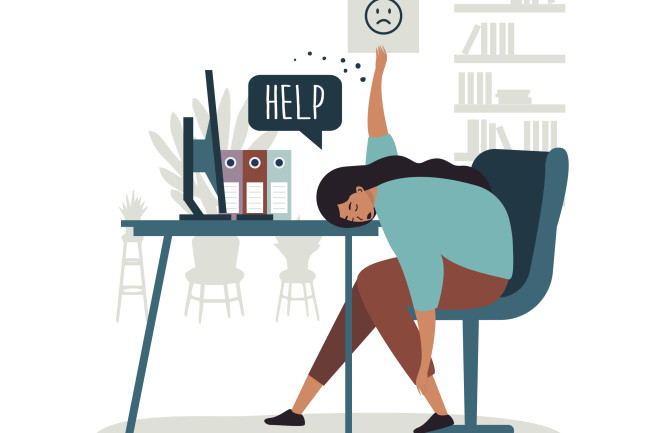
As a naturopathic doctor, I often hear cortisol talked about like a comic book villain, always wreaking havoc and stealing our health. But cortisol is far more complex than that. It’s a vital hormone that helps us survive and adapt to challenges. The real issue lies not in cortisol itself, but in the common misconceptions that surround it. Here are five of the most persistent myths I hear in my practice.

The first myth: cortisol is simply bad. In truth, it’s essential for life, regulating blood sugar, pressure, inflammation, and energy. Problems arise when cortisol is chronically high or low, often due to long-term stress or health conditions. It’s often blamed for abdominal weight gain because cortisol receptors are dense in visceral fat, promoting midsection storage. This metabolically active fat can contribute to further imbalances. The issue isn’t cortisol, but what throws it out of balance, often a sign your body is constantly alarmed or struggling for equilibrium.

Another common myth: high cortisol always means you’re just too stressed. While emotional stress elevates cortisol, it’s not the only cause. Sleep deprivation, blood sugar instability, chronic infections, overtraining, and inflammation can all increase levels. I’ve seen patients doing everything right, eating well, exercising, meditating, still have elevated cortisol due to physical, not necessarily emotional, stress.

The third myth: low cortisol only occurs in serious diseases like Addison’s. While Addison’s is a rare autoimmune condition where adrenal glands stop producing cortisol, many experience functional low cortisol. This often develops after long periods of stress, when the body downregulates production to protect itself. People frequently wake up tired, feel flat in the afternoon, and get a second wind at night. Their quality of life suffers. Adaptogens like Rhodiola and Ginseng are helpful, regulating the stress response. Licorice root also supports cortisol by extending its availability. Naturopathic strategies also focus on optimizing sleep, gentle movement, and nutrient-dense dietary support to restore adrenal balance.


Another misconception: cortisol can be tested accurately at any time of day. In reality, cortisol follows a daily rhythm, highest in the morning and lowest at night. A single random blood test isn’t useful. Comprehensive testing, using saliva or urine samples taken at several points, reveals healthy, blunted, or reversed patterns, often aligning with how people feel and guiding treatment.


Lastly, there’s the belief that relaxing more is all you need to fix cortisol issues. While calming practices like meditation and deep breathing are valuable, they’re only part of the picture. Cortisol regulation also depends on sleep quality, stable blood sugar, digestive health, and inflammation control. Natural medicines can also jump start the healing process. A comprehensive approach works best for this complex hormone.

Cortisol is not the enemy. It’s a survival tool our bodies rely on, especially in times of change. By understanding how it truly works, we can better support our energy, focus, mood, and long-term health.

Dr. Deidre Macdonald is a naturopathic physician who has practiced in Courtenay since 1997. Contact at 250 897-0235 or via www.getwellhere.com

Brain Fog? The Gut-Brain Connection

Many of my patients come to me with concerns that feel both familiar and frustrating: mood swings, brain fog, and memory lapses. While these symptoms are often chalked up to changes in the brain itself, research is increasingly pointing to a less obvious but powerful player: the gut. In this article, I’ll explore the fascinating connection between our digestive system and mental health, known as the gut-brain axis, and share the strategies I use as a naturopathic physician to support this system, especially for those navigating the physical and hormonal shifts that often begin after 50.

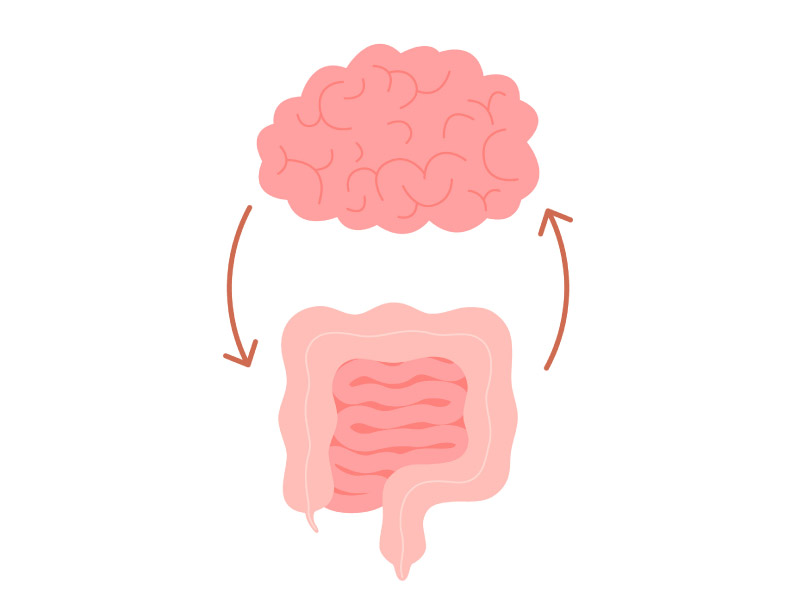
The gut-brain axis represents a sophisticated, two-way communication system involving neural, hormonal, and immune pathways. At the heart of this dialogue is the gut microbiome, the trillions of microorganisms that reside in our digestive tract. This internal ecosystem influences nutrient absorption, immune health, and even the production of neurotransmitters like serotonin, a chemical strongly tied to mood regulation. In fact, the majority of the body’s serotonin is produced in the gut, underscoring the biochemical link between digestive health and emotional well-being.

As we age, or when lifestyle and environmental stressors take a toll, this internal balance can be disrupted. Digestive issues like bloating, irregular bowel habits, and indigestion may be more than minor annoyances. They can signal deeper imbalances in the gut ecosystem, known as dysbiosis. Two conditions commonly linked to these symptoms are Small Intestinal Bacterial Overgrowth (SIBO) and Intestinal Candidiasis.

SIBO arises when excess bacteria grow in the small intestine, where bacterial counts are typically low. This overgrowth can interfere with digestion and nutrient absorption and may contribute to symptoms like bloating, fatigue, and cognitive fog. Similarly, intestinal candidiasis involves an overgrowth of Candida, a yeast that can flourish under certain conditions such as antibiotic use, high sugar intake, or chronic stress. Research suggests that byproducts from microbial overgrowth and inflammation may influence brain chemistry and mood.

From a naturopathic perspective, the goal is to restore balance to the digestive system in a sustainable, individualized way. Nutrition is central to this process. Dietary adjustments can help shift the internal environment, reducing the fuel for unhelpful microbes and supporting the growth of beneficial ones. This approach is not about rigid or permanent food restriction but about working with the body’s needs to create an environment where health can flourish.

Natural compounds and plant-based supports may also play a role in re-establishing harmony in the gut microbiome. Sometimes short term use of targeted pharmaceuticals is needed to restore balance in the small intestine. These medicines are chosen thoughtfully based on a person’s individual presentation, with the aim of improving digestive comfort and overall health.

Equally important is the role of the mind. Chronic stress can disrupt gut function and microbial balance, creating a feedback loop that affects both digestion and mood. Practices such as meditation, breathing techniques, or mindful movement can calm the nervous system and support a more resilient digestive system.

In essence, optimizing the gut-brain connection is about more than managing symptoms. It involves cultivating a healthy internal ecosystem that supports sharper memory, greater emotional stability, and a more vibrant experience of life as we age.

ADHD in Adults

Attention Deficit Hyperactivity Disorder, or ADHD, is a condition we normally associate with children. But it is estimated that one in twenty adults meets the criteria for Adult ADHD. Most of these people likely showed symptoms as children; a study that tracked children with ADHD into adulthood found that only 10% completely grew out of it. In recent years, many well-known and accomplished people have shared that they have ADHD, including actor/singer Justin Timberlake, Olympic swimmer Michael Phelps, and Olympic gymnast Simone Biles. There are many tools available to help adults with ADHD to make the most of their unique neurological style. But the first step is to recognize the patterns. 

Having a brain with ADHD can be challenging. The disorder is characterized by a persistent pattern of inattention and/or hyperactivity/impulsivity that interferes with daily functioning. Some people struggle to pay attention in various aspects of their life. They might make careless mistakes, not seem to listen when spoken to directly, fail to follow through on tasks and instructions, show poor organization, avoid tasks requiring sustained mental effort, and get easily distracted (including by their own thoughts). These people are more likely to fly under the radar than hyperactive people. Hyperactivity in adults takes the form of fidgeting, tapping or squirming, restlessness, difficulty engaging in quiet activities, talking excessively, and interrupting others. While many adults with ADHD are high-functioning, creative, dynamic people, the lack of organizational skills may impact work performance, and the lack of emotional regulation may impact relationships. The result is often anxiety and low self-esteem.

Since there can be significant overlap with other issues, particularly anxiety, post-traumatic stress disorder (PTSD), and depression, it’s important to determine which came first, or which is the primary condition. It can be hard to focus when your mind is racing with anxiety or consumed by depression. Insomnia can be related to ADHD and exacerbated by ADHD medication, but it can also significantly worsen symptoms. Addressing underlying sleep issues is one of the best ways to improve focus, impulse control, and problem-solving. Post-concussion syndrome should also be ruled out as symptoms can be very similar. 

Because this disorder is often misunderstood, many people who have it do not receive appropriate treatment. But it can be quite liberating to realize that ADHD is just one type of neurodiversity, and there are ways to make the best of it. As a naturopathic physician, I look at each person as an individual and develop a plan to optimize their brain function. That plan may include addressing the profound gut-brain connection; I have seen many children with a history of ear infections and repeated antibiotic use, for instance, who later manifest symptoms of ADHD. Studies now show a link between changes in the gut microbiome and ADHD. Nutrition can play a significant role in brain health. Adequate levels of iron, B12, and Vitamin D, as well as balanced blood sugar levels, are all crucial. Fish oils can help the brain. Balancing the nervous system through natural medicine can help focus the mind and calm the body. Perimenopause or PMS can also exasserbate ADHD and there are excellent strategies for both. I help my patients to work on reducing stress, improving sleep, and getting regular exercise. Mindfulness techniques can help develop the capacity for prolonged attention and self-regulation, and to dial down stress and restlessness. Moreover, organizational skills that may come naturally to some people can be learned, just like you would learn a sport or instrument. Although medications can be helpful for some people with ADHD, the best way forward for optimal functioning is to combine medication with a brain-supportive lifestyle, natural medicines, and skills development. 

Dr. Deidre Macdonald is a naturopathic physician practicing in downtown Courtenay. Contact at www.getwellhere or 250 897-0235.  and 

The Power of Mindset: How Your Mind Influences Your Health Choices

Let’s face it, what we know we should do for our health and what we actually do are often quite different. When it comes to making healthy choices, we often focus on external factors like finding the right diet plans, exercise routines, or medical advice. While these factors are undoubtedly important, one key determinant of success that often goes overlooked is the power of our mindset. The way we think and perceive ourselves and the world around us can have a profound impact on our health choices. As a naturopathic physician, I see the fascinating connection between mindset and health. I’ve learned that it is imperative that the doctor-patient relationship include good coaching on how to cultivate a positive, empowered mindset towards our choices, our bodies and our health.

The choices we make regarding our health are deeply rooted in our mindset. Our beliefs, attitudes, and perceptions about ourselves and our bodies shape our daily habits. For example, if we have a negative mindset and believe that we are incapable of making lasting changes, we are more likely to give in to unhealthy temptations, procrastinate, or give up on our goals. However, with effective coaching towards a more positive mindset, we can develop a proactive approach to our health, set achievable goals, and cultivate healthy habits that support our well-being.

One fundamental step towards creating a more intentional lifestyle is mindfulness. Learning to be more aware of your inner self and practicing being fully present in the moment can positively impact health choices. For instance, when we cultivate mindfulness, we become more attuned to our body’s signals of hunger, fullness, and overall well-being. This awareness enables us to make informed choices about what, when, and how much we eat, resulting in a healthier relationship with food and a better understanding of our body’s needs.

The mind and body are deeply interconnected, and research increasingly shows that our thoughts and emotions can influence our physical health. Negative emotions like stress, anxiety, and pessimism can weaken the immune system, increase the risk of chronic diseases, and slow down the body’s healing process. On the other hand, a positive mindset, characterized by optimism, self-belief, and resilience, can enhance our overall well-being and even influence recovery from illnesses.

Naturopathic medicine is all about empowering people to become informed about their health and coaching them on how to live a lifestyle conducive to good health, including using natural medicines when needed or for health optimization. The old medical model was to wait until you got sick, then expect the doctor to provide a magic pill. My patients come when they are sick and when they are well. They are eager to have an in depth health investigation and create a program to move towards greater health. Fundamental to success, is adopting a positive mindset conducive to making informed decisions, overcoming challenges, and cultivating sustainable life habits.

Developing self-awareness, practicing mindfulness, and fostering self-compassion are essential steps in harnessing the power of mindset to achieve optimal well-being. As a naturopathic doctor, I am just as likely to coach a patient on these important practices as I am to prescribe an herb, vitamin or prescription drug. Remember, your mindset can be a catalyst for positive change, leading you on a path towards a healthier and happier life. 

Seasonal Affective Disorder

A Holistic Approach to Seasonal Affective Disorder


Seasonal Affective Disorder (SAD) is a form of depression that occurs seasonally, most commonly during the fall and winter months when daylight hours are shorter. While conventional treatments like antidepressant medications can be effective, many individuals seek natural and holistic approaches to feel better. Naturopathic medicine offers various therapies to help individuals combat SAD.


Nutrition

Nutrition plays a crucial role in managing SAD symptoms. A naturopathic approach to nutrition for SAD involves consuming foods rich in specific nutrients that can help regulate mood. Vitamin D, commonly referred to as the “sunshine vitamin,” is essential for mood regulation. As sunlight exposure decreases during the winter, many people become deficient in this vitamin. Recommendations often include vitamin D supplements or eating more vitamin D-rich foods such as fatty fish, fortified dairy products, and egg yolks.

In order to determine how much vitamin D you need, naturopathic doctors can order a vitamin D blood test to help you ensure you are taking the right amount for you.


Acupuncture

Acupuncture is an ancient Asian practice that involves inserting thin needles into specific points on the body to stimulate energy flow. In naturopathic medicine, acupuncture is considered an effective option for managing SAD. The use of acupuncture for SAD is best started in the fall, in order to help prevent changes to mood as daylight hours diminish in the winter.

Many people report improved mood, reduced anxiety, and better sleep quality after regular acupuncture treatments. 


Herbal Medicine

Herbal medicine has a long history of use in naturopathic approaches to mental health. Several herbs are known for their mood-enhancing properties and are often recommended to individuals with SAD. One such herb is St. John’s Wort, which has been studied for its antidepressant effects. It is believed to increase the levels of serotonin, a neurotransmitter associated with mood regulation. However, it’s essential to consult with a naturopathic doctor before using herbal remedies, as they can interact with medications and may not be suitable for everyone.


Light Therapy

One of the hallmark treatments for SAD is light therapy. This therapy involves exposure to a bright light source that mimics natural sunlight. It is believed to help regulate the body’s circadian rhythms and boost mood.  Studies have found it to be effective and even as effective as cognitive behavioural therapy for SAD.

Daily sessions of light therapy can significantly alleviate SAD symptoms. It’s essential to choose a high-quality light therapy device with the correct intensity in order to get optimal results. I help patients choose the right light for them, determining the appropriate duration and timing of light exposure.


Seasonal mood changes can be challenging to face, but naturopathic medicine offers a holistic approach that focuses on nutrition, acupuncture, herbal medicine, and light therapy. By addressing symptoms of SAD proactively, especially in September and October, many individuals can enjoy a more balanced mood during the darker months of the year.


Dr. Shawn Peters, ND is a naturopathic doctor practicing in downtown Courtenay.

Book in a Complimentary 15-minute, no obligation appointment with Dr. Shawn to see if Naturopathic Medicine is right for you!

Dementia Prevention

According to the Alzheimer’s Society of Canada, in 2020, 124,000 Canadians were diagnosed with dementia.  By 2030, it is projected that upwards of one million Canadians will be living with Dementia.  These are staggering numbers.

There are many causes and multiple types of dementia, including vascular dementia and Alzheimer’s disease.  While there is no cure, there are factors that can be addressed to reduce one’s risk.  As a naturopathic doctor, I aim to help you identify risk factors and develop a plan to address them.  A comprehensive bloodwork panel can test for several risk factors, including blood sugar, inflammatory markers, homocysteine, and more.  Genetic tests can also be ordered as part of Alzheimer’s disease risk.

Reducing risk factors is critical, including making dietary changes to support blood sugar and heart health.  One particular way of eating, the Mediterranean diet, reduces inflammation, is rich in antioxidants, and is known to improve diabetes and cardiovascular disease risk.  All of these are aspects to address with dementia. 

A Mediterranean diet includes fish as a significant component, many of which are rich in omega-3 fatty acids.  One consideration when eating fish is to avoid those higher in mercury.  This is because mercury has toxic effects on the body, especially the brain.  Lower mercury fish include shrimp, salmon, pollock, and canned light tuna. 

Lifestyle choices can also be impactful for dementia, including eliminating smoking, reducing excessive alcohol consumption, and exercising.  Exercise can improve memory, brain function, and increase blood flow to the brain.  Exercise can also improve blood sugar and heart health (the risk factors I discussed above).  There are different ways to exercise and various types to enjoy, but enjoyment is the key factor.  Like anything, the chance of continuing to exercise highly depends on whether you enjoy the activity.  So, the first step with exercising is picking something you enjoy doing.

One of the key aspects that I address with patients looking to prevent dementia is to reduce chronic inflammation.  This is because inflammation that affects the brain is a contributor to the progression of dementia and Alzheimer’s.  When thinking about a foundation for optimal brain health, we turn back to what we eat.  A diet that is rich in plant foods (fruits, vegetables, whole grains, nuts, seeds) tends to include more antioxidants, which reduces inflammation in the body. 

On top of diet, there are herbal medicines and supplements that are anti-inflammatory.  Two examples include curcumin and fish oil, both of which help to reduce inflammation.  There are various types and qualities of curcumin and fish oil on the market, so ensure you pick the right one for you.  If in doubt, your naturopathic doctor can clarify.

Dr. Shawn Peters, ND is a naturopathic doctor practicing in downtown Courtenay.

Book a Complimentary 15-minute, no-obligation appointment with Dr. Shawn to see if Naturopathic Medicine is right for you!

Lorem ipsum dolor sit amet, consectetur adipiscing elit. Ut elit tellus, luctus nec ullamcorper mattis, pulvinar dapibus leo.

Relaxation Technique – “Deep Inhale and Sigh”

We all need tools to help us relax and get centred sometimes. I’ve practiced a technique called “Deep Inhale and Sign” for many years. I’ve taught it to many of my patients and they report that it helps them find calm their nerves during the day and helps them to sleep better at night.

For National Relaxation Day, I’ve recorded an instructional video for you to watch so you can learn this powerful technique. May it help you find calm within the storm and live more fully present and content.  

Contact us if you’d like one-on-one stress management coaching as part of your naturopathic medical care. 

Long COVID and the Brain

Most people who get COVID, especially if they are vaccinated, will recover without residual symptoms. But for some people, COVID infection can result in long-term health issues. So-called “long COVID” sufferers can experience many symptoms including crushing fatigue, dizziness upon standing up or standing too long, exercise intolerance, anxiety, headaches, heart palpitations, shortness of breath, brain fog, and more. Similar post-viral syndromes can result from other viruses too, and a very similar phenomenon can happen after concussions. The common thread is that when the brain suffers a blow, either literally or via the inflammation associated with a virus, the nervous system that runs almost every process in the body can be knocked off its axis. Across Canada, researchers and physicians are scrambling to try to understand how to help this new wave of people afflicted with a condition that is untestable and for which there are no simple drug solutions. Patients often feel frustrated and isolated. A greater understanding of what’s going on can help us target solutions for symptoms and speed the healing of the brain and nervous system. 

A patient I’ll call Emily had previously been in good health, so when she contracted COVID as an unvaccinated person ten months ago, she thought she would recover well. She did get over the acute symptoms of cough and congestion but was left with a mysterious assortment of symptoms that derailed her life. She has profound fatigue, dizziness when she stands up or stands for more than ten minutes in one place, and daily headaches; in addition, her mental processing and memory are impaired. When she tries to exercise, she crashes and is exhausted for two days. She has nausea and IBS. Her fingers go white when she gets cold, and her skin can be blotchy. Her periods are irregular for the first time. Anxiety seems to hit randomly, day or night, and depression is creeping in. 

Emily’s symptoms indicate that the nerves in her brain have been damaged. The brain governs the autonomic nervous system, which runs all the automatic processes in the body such as blood pressure, heart rate, circulation, balance, energy production, hormones, adrenalin release, sleep cycles, digestion, and more. When this critical system isn’t working right, we refer to this disorder as dysautonomia.  As a naturopathic physician, I treat people with complex, chronic conditions every day, so I have seen similar symptoms before triggered by both viruses and concussions. 

There are strategies to manage symptoms, such as wearing compression stockings to prevent blood from pooling in the legs while standing. Since the nervous system is intimately involved in digestive processes, such as motility of the intestines and secretion of digestive juices, in people with dysautonomia, we often see irritable bowel syndrome symptoms such as bloating, gas, diarrhea, or constipation. Without proper motility, food ferments in the small intestine, causing an overgrowth of bacteria where it shouldn’t be. Small intestine bacterial overgrowth (SIBO) can cause bloating, constipation or loose stools, as well as brain fog. There are excellent ways to test and treat SIBO through a naturopathic physician trained in this area. 

Brain healing requires a more comprehensive approach because the brain is highly sensitive to what is happening in the rest of the body. Emily started naturopathic medical protocols for dysautonomia include addressing the gut-brain connection through avoiding inflammatory foods, enhancing nutrition, and balancing the microbiome. She took natural medicines to target the mechanisms needed to heal the brain, including enhancing energy production (mitochondrial health), reducing inflammation and oxidative stress, promoting nerve healing, and helping the brain filter toxins. After three months she is feeling much better. Programs can also include hormone balance, stress-reduction training, physical therapy, and visual therapy can all also help address dysautonomia. 

Like most viruses, most people who get COVID make a full recovery. But for those whose lives have been turned upside down after this infection, it’s important for them to understand that there are strategies that can help.

Mental Health and Your ND

World Mental Health Day 2021 occurred on October 10, designated by the World Health Organization (WHO). The campaign is meant to raise awareness of mental health concerns and promote positive mental health (https://www.who.int/campaigns/world-mental-health-day/2021). As we move in to fall and winter, it is increasingly important to acknowledge the impact of mental health and discuss strategies to promote positive mental health. In many ways, mental health concerns affect us all.

Preventative strategies are of utmost importance, especially considering how seasonal winter changes can impact our mental health. Specifically, Seasonal Affective Disorder is the presence of depression with a seasonal pattern. It is a concern more common in Canada and other northern latitudes because of the long winters and reduced sunlight.

As a naturopathic doctor, setting in place the tools now to promote your best future self is key to helping you feel better. I work together with my patients to create a plan. Naturopathic doctors utilize some of the same tools that the Government of Canada, back in 2019, detailed as actions each of us can take to promote positive mental health. These actions can include:

1) Managing stress
2) Regular exercise
3) Healthy food choices

It can be hard to know which food choices are the right ones, the exercise program that is best for you, and which stress coping strategies you should use. That is how a licensed naturopathic doctor can help you; to help answer those questions and employ strategies that are right for you.

It can be difficult to know how to manage stress, so WHO created an illustrated guide with tools to help you with just that. The guide includes grounding and other techniques, such as breathing to reduce stress. Find the guide at: https://www.who.int/publications/i/item/9789240003927

Meditation is one such way to reduce stress. For those interested in what the science says, David Vago, Ph.D. promotes mental health and well-being through research on meditation and the brain. Learn more here: https://www.contemplativeneurosciences.com/how-to-meditate/

Promoting positive mental health begins with determining any underlying causes or contributing factors so that we can make an appropriate plan. Ordering lab work (blood tests) and performing physical exams are ways naturopathic doctors can do just that. From there, we can discuss specific supplements, herbal medicines, acupuncture, and using light therapy as part of a comprehensive plan to help you as an individual feel your best, now and through the winter.

Contact Dr. Peters for a free “meet the doctor” visit to see if naturopathic medicine is right for you.

Bringing Hope to Mental Health Challenges

Mood and mental health challenges affect many of us, either personally or with those we know.  The Canadian Mental Health Association estimates that “in any given year, 1 in 5 people in Canada will personally experience a mental health problem or illness.”  Not only that but they further state that “by age 40, about 50% of the population will have or have had a mental illness.”

A common feeling people suffering from depression or anxiety have is that they are alone, there is a stigma attached to experiencing mental illness.  Many people do not feel like they can talk to their friends or family about what they are experiencing.  Whether or not one has a mental illness, it is typical for all of us to face mood fluctuations and challenges with daily life stressors.

You are not alone.

It is important for us all to realize that mental health challenges affect people from all walks of life, regardless of sex, gender, age, education, and income.

Nearly half of those experiencing depression or anxiety in Canada never see a doctor for help.  As a naturopathic doctor, I focus on supporting those who experience mood and mental health challenges.  I strive to work with you to provide the foundation for good mental health.  This means utilizing diet and lifestyle considerations and top supplements for depression and anxiety.  Counselling and talk therapy, along with nutritional support and supplementation, is an excellent combination.

Challenges with mental illness can be supported effectively with naturopathic treatments.  There are many specific nutrients and herbal medicines that can achieve similar effects as prescription medications for anxiety and depression with fewer side effects.  What treatment works best for any given person is highly individualized and requires consideration of the whole person.

Often, depression, anxiety, and sleep disturbances co-exist.  Treating the whole person will involve considering all of these factors holistically, as well as the role of stress.  Stress can worsen mental illnesses.  For both depression and anxiety, supporting the body’s stress response is crucial to attaining a balanced approach to mental health.

Assessment and consideration of the various aspects involved in mental health often includes the role of hormones, the impact of inflammation, and the benefits of the microbiome.  Beneficial bacteria in our digestive tract have been shown to positively impact the Gut-Brain Axis.  As a naturopathic doctor, all of these are considerations I will work with you to balance.

Want to see if naturopathic medicine is right for you?

Book a “meet and greet visit” with Dr. Shawn Peters, ND

Call 250 897-0235